


What is Sattu, Really?
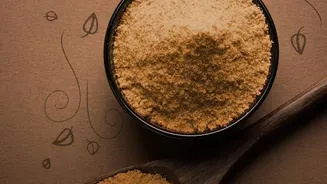
Sattu is a flour made from roasted grains and pulses, most commonly Bengal gram (chana). A staple in states like Bihar, Jharkhand, Uttar Pradesh, and West Bengal, it has been a source of sustenance for generations. Unlike besan (gram flour), which is made from raw
chickpeas, sattu's roasting process gives it a distinct nutty flavour, a longer shelf life, and makes its nutrients more easily digestible. Traditionally, it's consumed as a simple, cooling sharbat—mixed with water, salt, and spices—or used as a filling for hearty parathas and litti. It was long considered a 'poor man's protein,' a convenient and affordable way for farmers and labourers to get a nutritious, energy-packed meal.
A Nutritional Powerhouse
The resurgence of sattu isn't just about nostalgia; it's backed by a formidable nutritional profile. A 100-gram serving packs around 20-25 grams of plant-based protein, putting it on par with many commercial protein powders. It's also exceptionally rich in dietary fibre, which aids digestion, promotes a feeling of fullness, and helps maintain a healthy gut. Furthermore, sattu is a source of complex carbohydrates that provide sustained energy release, thanks to its low glycemic index. This prevents the sudden sugar spikes and crashes associated with many processed breakfast cereals. It's also loaded with essential minerals like iron, magnesium, and manganese, which combat fatigue and support overall health.
From Rustic Drink to Modern Bowl
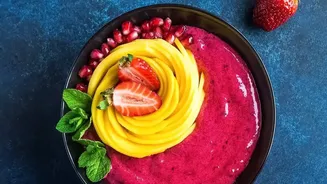
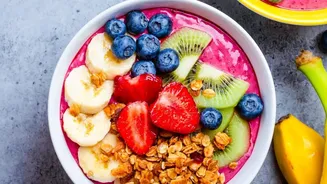
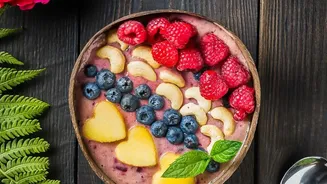
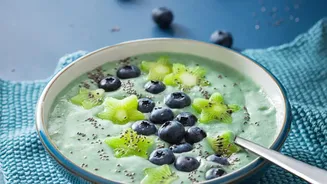
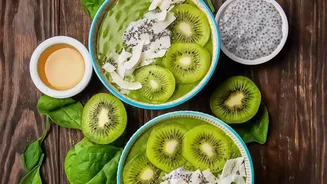
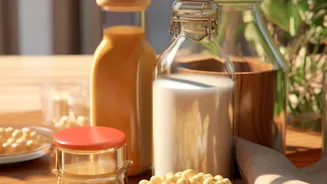
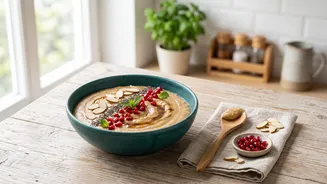
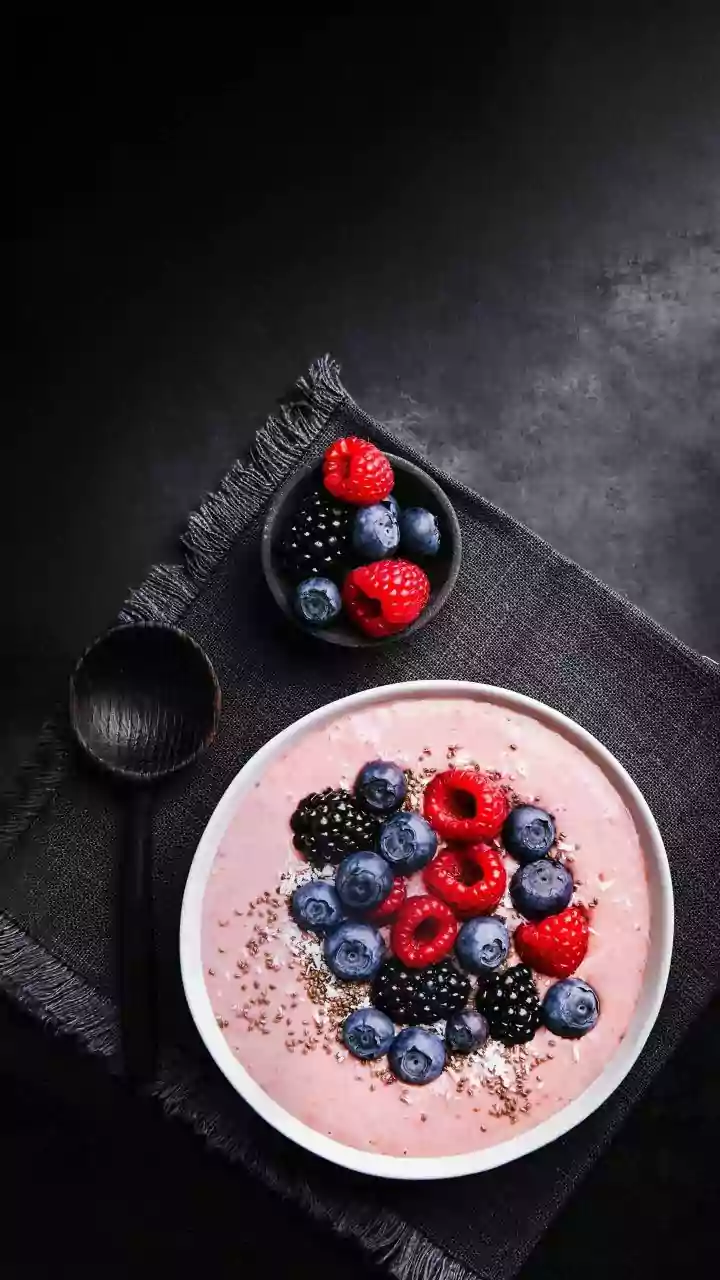
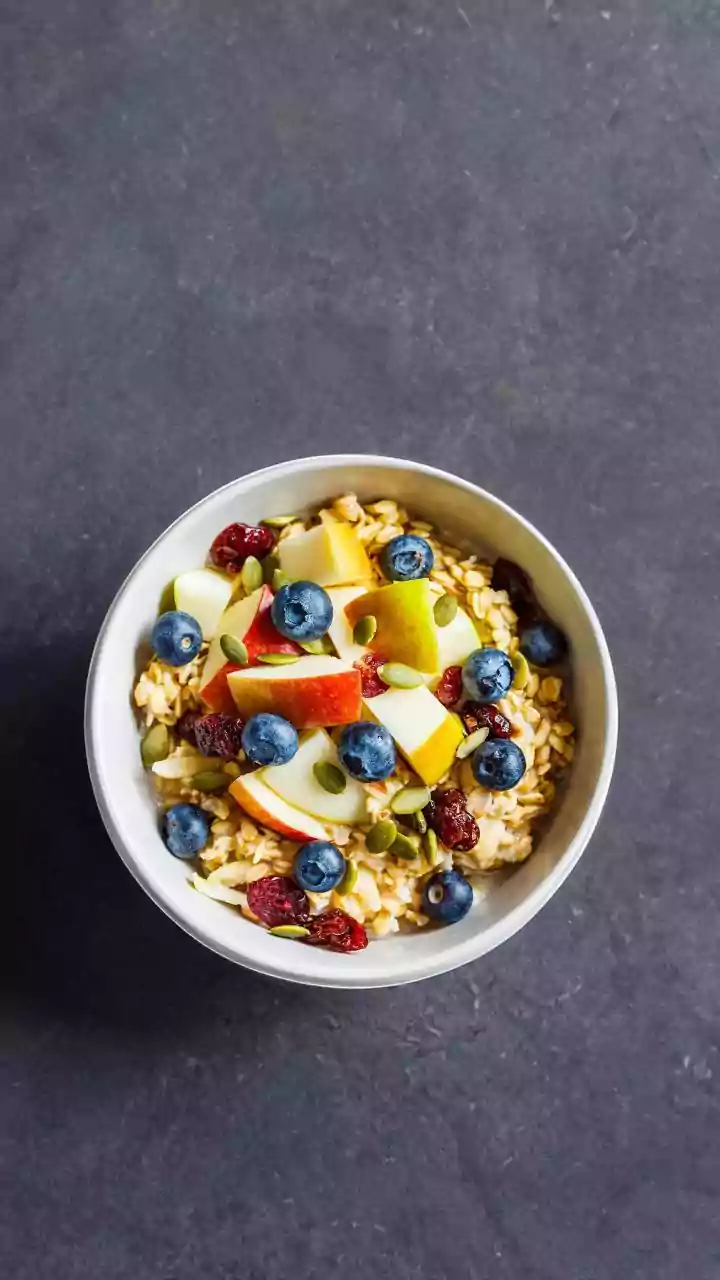
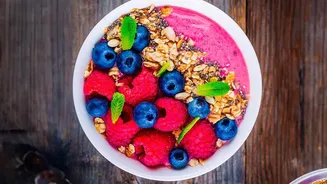
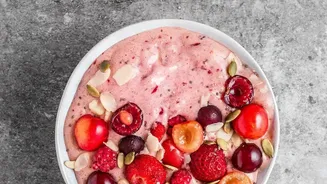
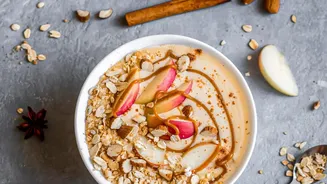
The real story is in its transformation. While the traditional salty sharbat remains a summer classic, the younger generation is reimagining sattu for the modern palate. The most popular evolution is the sattu breakfast bowl or smoothie. It’s now being blended with milk or plant-based alternatives like almond milk, fruits like bananas, and a touch of sweetness from honey or jaggery. Think of it as a desi alternative to an açai bowl or oat porridge. This format makes it a quick, customisable, and visually appealing meal. Recipes for sattu cheelas (savory pancakes), sattu upma, and even protein laddoos are also gaining traction, showcasing its incredible versatility beyond just a drink.
Why the Sudden Popularity?
Several factors are driving sattu's comeback. There's a growing movement towards clean eating and embracing indigenous, natural foods over heavily processed supplements. Young Indians are increasingly looking for 'Made in India' solutions that are both healthy and sustainable. The convenience factor is also huge. In its modern form, a sattu smoothie or porridge can be prepared in minutes, catering to hectic morning schedules. Fitness influencers and celebrities sharing their sattu recipes on social media have also played a significant role in boosting its cool quotient, presenting it as a smart, effective source of plant-based protein for muscle building and weight management.
How to Create Your Own Sattu Bowl
Making your own high-protein sattu breakfast is incredibly simple. For a basic smoothie bowl, start by blending 2-3 tablespoons of sattu flour with a cup of milk (dairy or non-dairy), one ripe banana for natural sweetness and creaminess, and a spoon of peanut butter for extra protein and healthy fats. Pour the thick blend into a bowl. Now for the fun part: the toppings. Add a sprinkle of chia seeds or flax seeds for an omega-3 boost, a handful of fresh berries or chopped seasonal fruit for vitamins, and a scattering of nuts and seeds for crunch. You can also make a warm porridge by whisking sattu with milk over low heat until it thickens, sweetening it with jaggery, and topping with almonds.