






The Psychology of Invisible Money
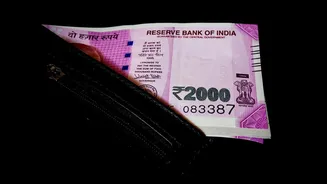
The problem isn't just the spending; it's the psychology behind it. When you tap to pay, the transaction feels frictionless and less 'real' than handing over physical cash. This concept, known as the "pain of paying," is significantly reduced with digital
methods. Studies show that the easier it is to pay, the more likely we are to spend, often without realising the cumulative impact. Research has found that increased use of UPI is associated with more frequent purchases and higher discretionary spending, particularly among younger users. This digital detachment makes it easier for small expenses to fly under the radar until you check your bank balance at the end of the month and wonder where the money went.
Conduct a Weekly Spending Audit
You cannot manage what you do not measure. The first step to taming your UPI spends is to understand exactly where your money is going. Dedicate 15-20 minutes each weekend to review your UPI transaction history. Most payment apps like Google Pay, PhonePe, and BHIM categorise your spending automatically, giving you a clear breakdown of expenses on food, travel, shopping, and bills. Seeing a high figure next to 'Food & Drinks' can be a powerful wake-up call. Note the areas where you are spending the most and identify any impulse buys you could have avoided. This regular check-in creates awareness and is the foundation of mindful spending.
Embrace Digital Envelope Budgeting
The classic envelope system, where you allocate cash into physical envelopes for different expenses, can be adapted for the digital age. Use a budgeting app that allows you to create virtual 'envelopes' or spending categories. At the start of the month, allocate a specific amount to each category, such as 'Groceries,' 'Entertainment,' or 'Transport.' Many apps designed for Indian users can automatically track your UPI spending against these budgets by reading transaction SMS alerts. Once an 'envelope' is empty, that's your cue to stop spending in that category for the rest of the month. This method forces you to make conscious spending decisions based on what's available, rather than your total account balance.
Set Smart Limits and Alerts
Use the features already built into your banking and UPI apps. Set daily or monthly transaction limits to create a hard stop against overspending. Most banks also allow you to set up alerts for when your balance drops below a certain threshold or when a transaction exceeds a specific amount. The BHIM app, for instance, allows users to set self-defined spending limits and sends alerts when those are approached. These notifications act as digital guardrails, forcing a moment of pause and consideration before you make your next purchase.
Introduce 'Friction' Back into Payments
Since the problem is frictionless spending, the solution can be to re-introduce some healthy friction. Try a 'No-UPI' day once a week, where you rely only on the cash in your wallet. This simple act can drastically reduce impulse purchases and make you more aware of your spending. Another strategy is to dedicate a separate, secondary bank account with a limited amount of money specifically for your daily discretionary UPI spends. Transfer a fixed amount into it each week. Once the money is gone, your spending stops. This creates a clear boundary that your main salary account is protected from.
Use an Expense-Tracking App
If reviewing statements feels tedious, let an app do the heavy lifting. Several expense trackers are now designed specifically for the Indian market, offering features like automatic UPI transaction categorisation and bill payment reminders. Apps like INDMoney, Fi Money, or Moneyview can sync with your bank accounts (with your permission via the secure Account Aggregator framework) or read transaction SMSs to provide a complete financial overview. Seeing your spending habits visualised in charts and graphs can offer powerful insights and motivate you to stick to your budget.