



From Lunar Victory to Coveted Partner
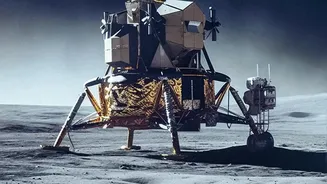
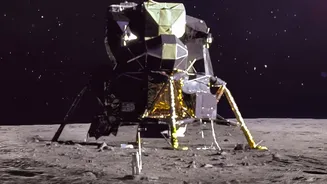
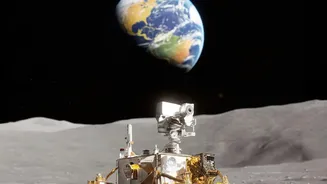
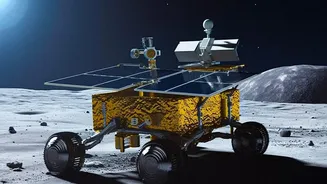
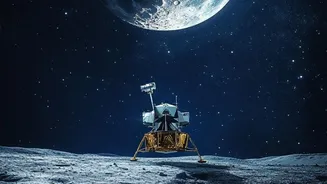
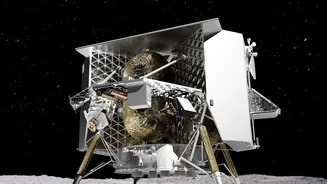
Not long ago, the idea of an Indian-made rover trundling near the moon’s south pole felt like ambitious science fiction. Then came Chandrayaan-3. In August 2023, India achieved what only three other nations had ever done—a controlled lunar landing—and
became the very first to do so in the moon's challenging, resource-rich south polar region. This wasn't just a technical triumph; it was a global statement. ISRO accomplished the mission on a shoestring budget, showcasing a knack for frugal innovation that turned heads at NASA and other space agencies accustomed to multi-billion-dollar price tags. This success, combined with India signing the U.S.-led Artemis Accords in 2023, fundamentally shifted its position from a regional space player to a sought-after partner for humanity’s return to the moon.
The Artemis Alliance and a Moon Base Invite
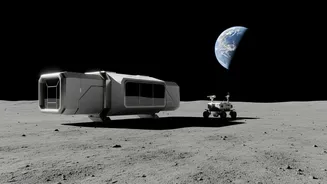
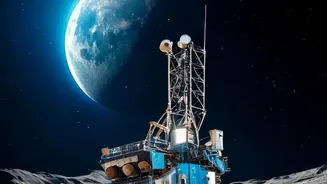
The Artemis Program is NASA's ambitious plan to establish a sustainable human presence on and around the moon, serving as a stepping stone for eventual missions to Mars. A key part of this strategy is international collaboration. During an early August 2026 meeting of the India-U.S. Civil Space Joint Working Group, NASA officially invited ISRO to join its moon base program. This isn't just a friendly gesture; it’s a strategic move. Building a permanent lunar outpost is a monumental and costly undertaking. By inviting partners, NASA can pool resources, accelerate timelines, and foster a collaborative international norm for space exploration—a direct contrast to the separate, competing lunar base plans being developed by China and Russia.
What India Brings to the Lunar Table
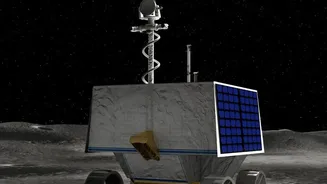
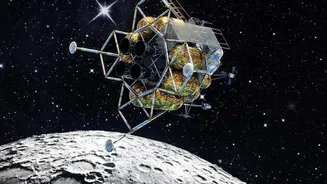
So, what would India’s role look like? While specifics are still being discussed, ISRO’s strengths are clear. The agency has proven expertise in robotics and remote systems, essential for constructing and maintaining a base in the harsh lunar environment. Its talent for cost-effective engineering could be invaluable for developing components, from scientific instruments to habitat modules, at a fraction of the usual cost. Furthermore, India has its own ambitious lunar roadmap that complements the Artemis goals. Its upcoming Chandrayaan-4 mission aims to be one of the first to return samples from the lunar south pole, a complex feat involving robotic collection, ascent from the moon, and orbital docking. Mastering these technologies for its own missions would make ISRO an incredibly capable contributor to a joint base.
Cementing Deep-Space Credentials
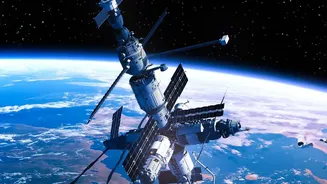
For ISRO, this is more than just another mission. Participating in a permanent moon base would be the ultimate graduation from one-off exploration flights to long-duration deep-space operations. It requires mastering a whole new set of challenges: radiation shielding, life-support systems, in-situ resource utilization (like turning lunar ice into water and rocket fuel), and the logistics of sustaining human life far from Earth. Successfully contributing to this endeavor would unequivocally establish India among the top-tier space powers. It validates the country's long-term vision, which includes building its own space station, the Bharatiya Antariksh Station, by 2035 and landing an Indian astronaut on the moon by 2040. A role in NASA's moon base would be a crucial, hands-on learning experience, dramatically accelerating its own timeline and capabilities.