



A New Era for Indian Road Trips
For years, the promise of India's raw, natural beauty was often guarded by challenging terrain and patchy infrastructure. Planning a trip to a remote wildlife sanctuary or a secluded Himalayan village required time, patience, and a high tolerance for
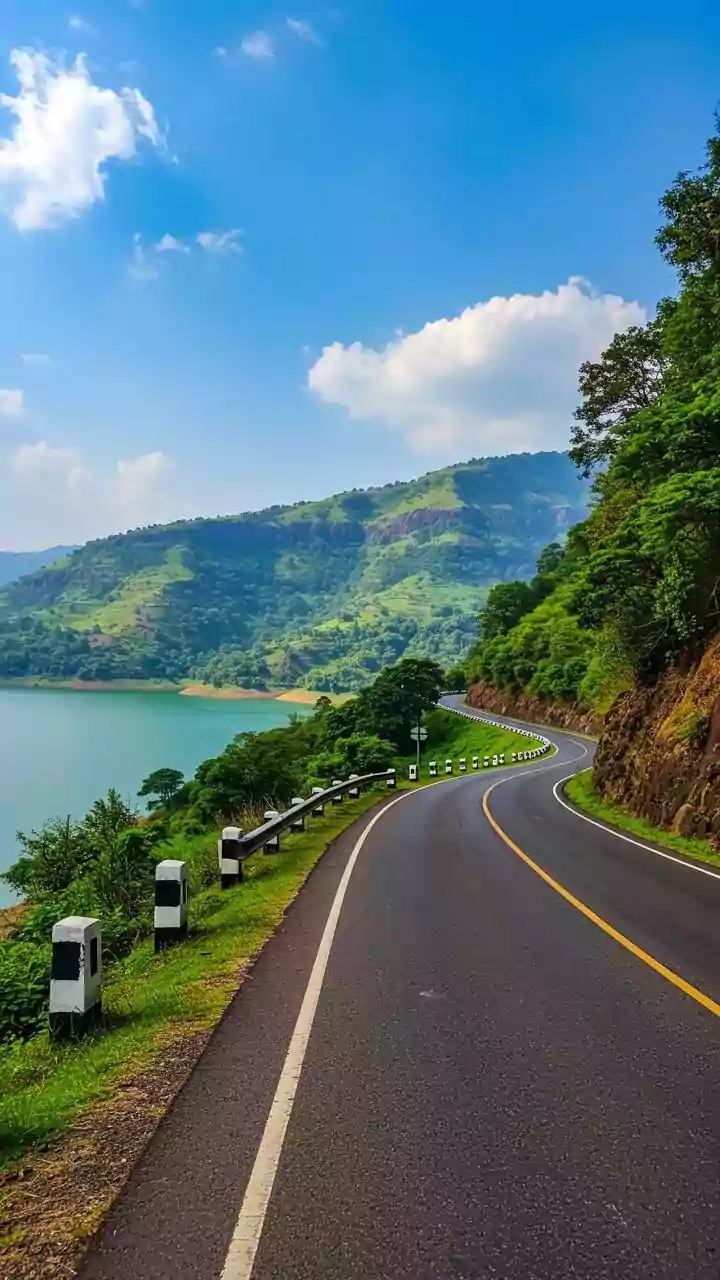
rough journeys. Today, that narrative is rapidly changing. A nationwide infrastructure overhaul, driven by ambitious projects like the Bharatmala Pariyojana, is laying down thousands of kilometres of new highways and expressways. These modern road networks are not just reducing travel time between major cities; they are creating new tourism circuits that link previously isolated destinations. The result is a new era for road trips, where a single journey can now seamlessly connect heritage sites, wildlife reserves, and pristine rural landscapes. This transformation is paving the way for more dynamic and diverse travel itineraries that were once difficult to imagine.
Himalayan Circuits and Unfolding Vistas
The Himalayas, with their spiritual allure and adventure opportunities, are becoming more accessible year-round. New all-weather roads and tunnels in states like Himachal Pradesh, Uttarakhand, and Jammu and Kashmir are cutting down travel times and improving safety. For example, the Char Dham Mahamarg project is set to enhance connectivity to key pilgrimage sites, making it easier to combine spiritual journeys with adventure activities like trekking and rafting in nearby valleys. Similarly, the Delhi-Dehradun Expressway, featuring an elevated wildlife corridor to protect animal movement, makes it possible to leave the capital and be in the Himalayan foothills in a matter of hours, opening up destinations like Rishikesh, Mussoorie, and beyond for quicker, more efficient multi-stop trips. This allows travellers to build itineraries that might include yoga in Rishikesh, trekking near Auli, and exploring quaint villages, all within a single, well-connected holiday.
The Northeast's Awakening
Northeast India, arguably one of the country's most stunning and ecologically diverse regions, is experiencing a tourism boom thanks to monumental strides in connectivity. The development of new highways, bridges over mighty rivers, and an increase in operational airports under the UDAN scheme has been a game-changer. States like Arunachal Pradesh, once considered a frontier destination requiring complex travel plans, are now easier to access. Tourists can now more comfortably plan a circuit that starts in Assam's wildlife sanctuaries, moves through Meghalaya's living root bridges, and culminates in the monasteries of Tawang. This improved access is also fostering a rise in community-based tourism, with more homestays and local guides becoming available online, allowing for deeper cultural immersion.
Connecting Coastlines and Wildlife Corridors
The infrastructure push extends to India's vast coastline and its central heartland. New coastal highways are making it easier to explore stretches of beaches and fishing villages that were previously off the beaten path. A road trip along the Konkan coast, for example, can now comfortably link Mumbai with a series of beaches in Maharashtra and Goa. Further inland, new expressways are bringing India's famed tiger reserves closer together. The Delhi-Mumbai Expressway and the Samruddhi Mahamarg are prime examples, creating circuits that connect destinations like Ranthambore, Sariska, the Ajanta and Ellora caves, and Shirdi. Many of these new highways have been designed with wildlife in mind, featuring dedicated underpasses and overpasses that allow animals to cross safely, a landmark move for conservation.
How to Plan Your Modern Multi-Stop Trip
Planning a multi-destination trip in this new landscape is more straightforward than ever, but a few tips can help ensure a smooth journey. Firstly, leverage digital tools. Offline maps are invaluable in areas where mobile networks can be inconsistent. Secondly, the rise of digital connectivity in rural areas means you can often book homestays and boutique guesthouses online, offering a more authentic experience than traditional hotels. Thirdly, while highways are better, always check local road conditions, especially if travelling during monsoon or winter seasons in the mountains. Finally, travel slow. Just because you can travel faster doesn't mean you should rush. The joy of these newly accessible routes lies in the ability to explore the small towns, local dhabas, and unexpected viewpoints along the way.