
The Persistent Peril of Martian Dust
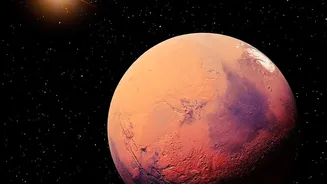
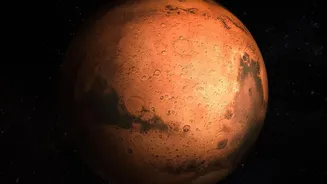
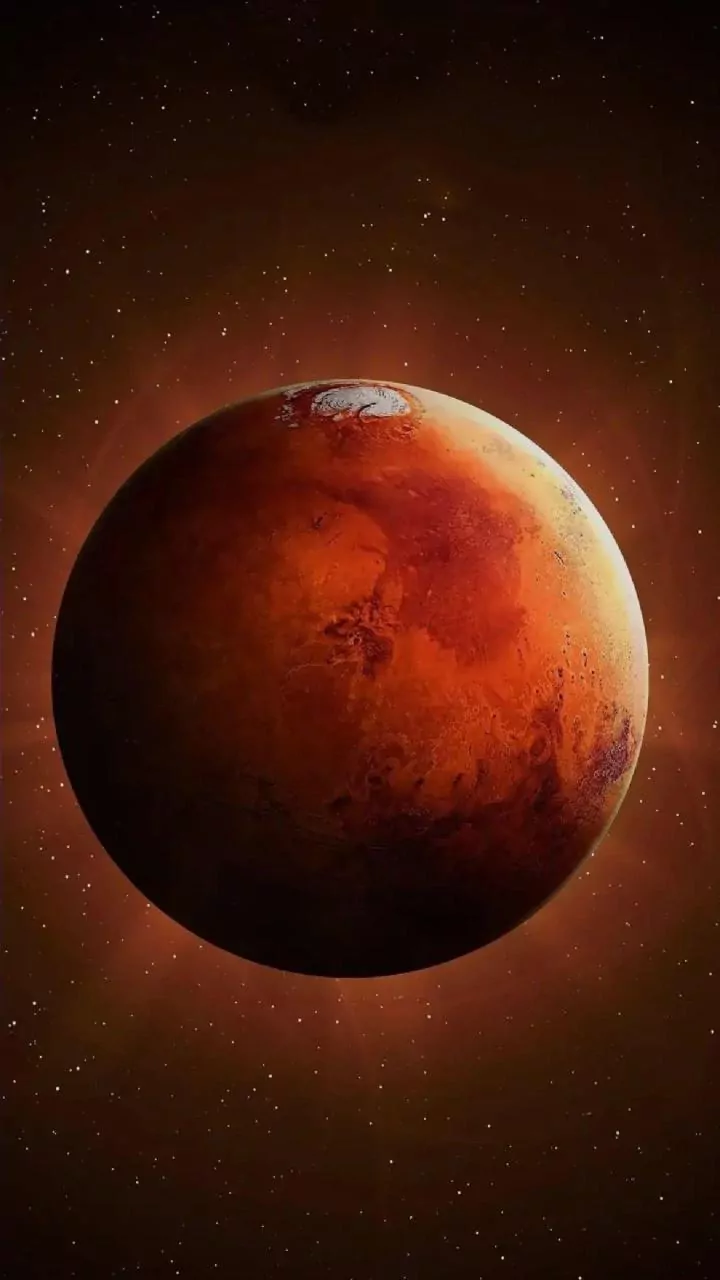
Mars is a dusty planet, and its fine, powdery grit gets everywhere. For robotic explorers, this isn't just an inconvenience; it's a mission-critical threat. The most vulnerable are solar-powered rovers, like the long-lived Spirit and Opportunity. Dust
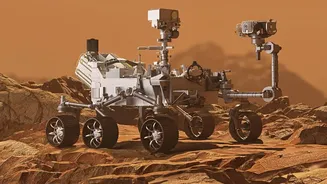
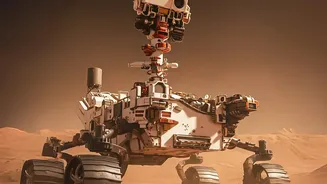
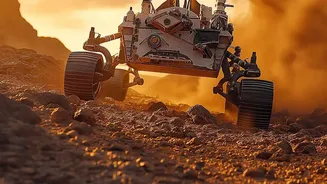
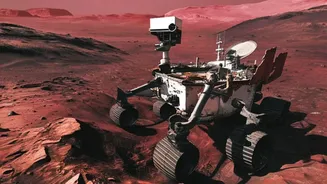
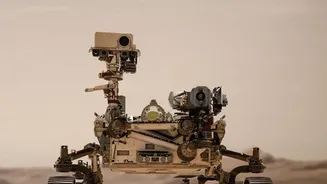
coats their solar panels, drastically reducing their ability to generate electricity and, in sufficient quantities, can prove fatal. This is precisely what happened to the Opportunity rover, which lost contact with Earth and never recovered after a planet-encircling dust storm in 2018 blocked out the sun. But even for nuclear-powered rovers like Curiosity and Perseverance, dust poses a risk. It can obscure camera lenses, interfere with scientific instruments, and damage moving parts like motors and gears.
An Eye in the Martian Sky
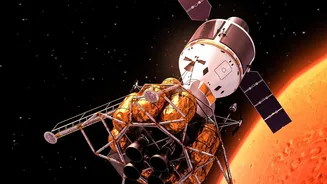
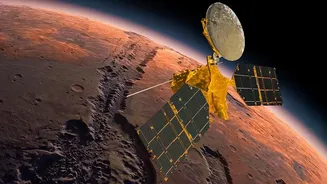
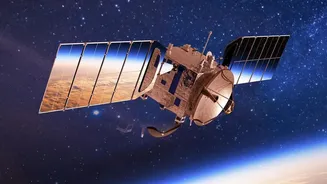
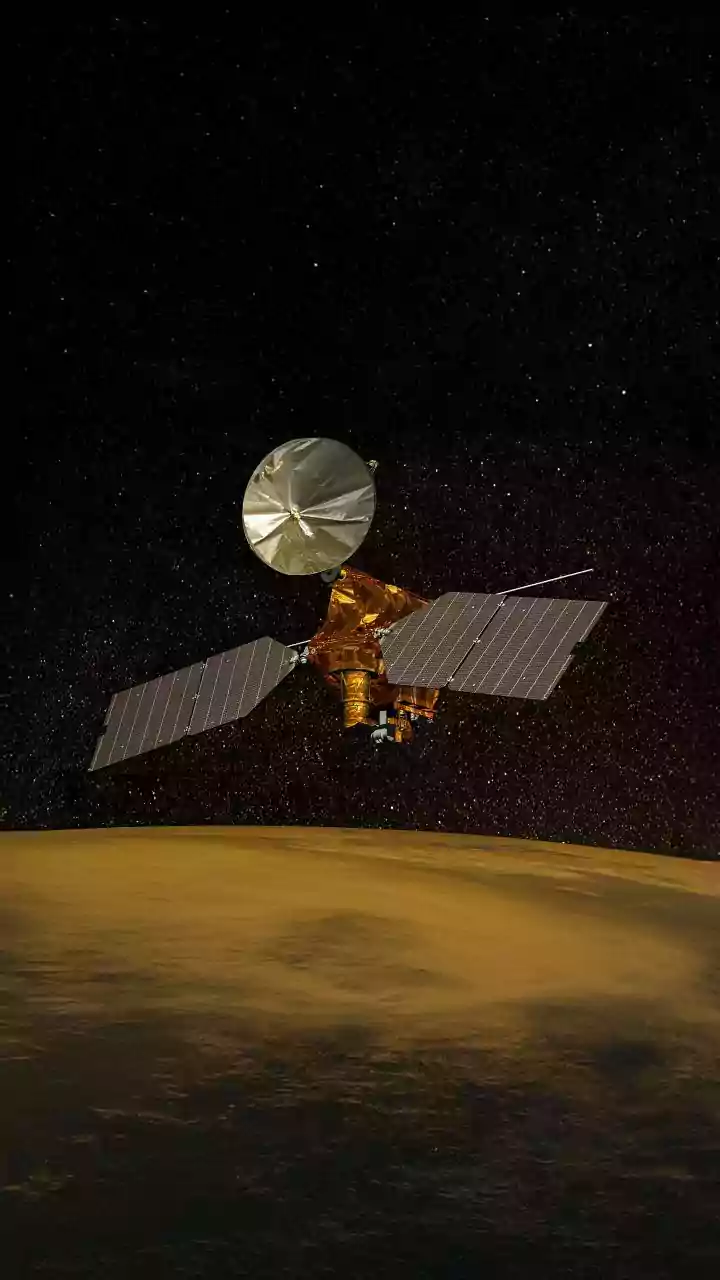
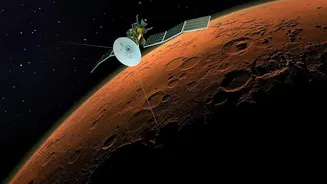
Fortunately, the rovers are not alone. Watching from above is a fleet of orbiters, most notably NASA's Mars Reconnaissance Orbiter (MRO). MRO is equipped with a suite of powerful instruments, but its crown jewel for this task is the High Resolution Imaging Science Experiment, or HiRISE. HiRISE is the most powerful telescopic camera ever sent to another planet. From its orbit roughly 300 kilometers above the surface, it can spot objects as small as a dinner table. This incredible resolution allows scientists on Earth to not only see large-scale weather patterns but also to zoom in on specific areas with astonishing detail, including directly imaging the rovers themselves.
From Orbit to Operations
The HiRISE team doesn't just take stunning photos; they provide crucial data for rover operations. By regularly imaging the terrain around a rover, they can help navigators plan the safest and most efficient routes. More importantly, they track atmospheric changes. Instruments like the MRO's Mars Color Imager (MARCI) create daily global maps that track how dust storms form and evolve. When a storm is detected, other tools like the Mars Climate Sounder measure atmospheric temperature and dust content. This information provides a comprehensive picture of the threat, from its initial formation to its potential to grow into a regional or even global event. This allows rover operators to take preemptive action, such as finding a safe place to shelter or conserving power.
Predicting the Next Big One
Years of continuous observation from orbiters have created an invaluable long-term climate record for Mars. Scientists are now moving beyond simply monitoring storms to actively predicting them. By analyzing years of data from instruments like the Mars Climate Sounder, researchers have identified potential precursors to major dust events, such as sharp rises in surface temperature in the weeks prior. While Martian weather forecasting is still in its infancy, these insights are a critical first step. Understanding why some small storms fizzle out while others explode into planet-encircling events is key to ensuring the long-term survival of current missions and, crucially, the safety of future human explorers.
A Lifeline for Surface Explorers
The relationship between orbiters and rovers is a powerful example of robotic teamwork. While rovers provide ground-truth data on atmospheric conditions, the orbiters supply the big-picture context. During the 2018 global dust storm, the nuclear-powered Curiosity rover was able to continue its work, providing scientists with a unique, ground-level view of the storm's effects even as it plunged the planet into darkness. The data from orbiters also helps scientists understand smaller phenomena, like dust devils. HiRISE can spot the tracks left by these swirling vortices, and scientists have learned they can sometimes be beneficial, cleaning dust off solar panels and extending a rover's life, as was the case for Spirit and Opportunity for many years.