





More Than a Sprinkle of Cilantro
For generations, the finishing touch on many beloved Indian dishes was a generous handful of chopped cilantro (coriander) or mint. It’s a flavor profile deeply embedded in the cuisine. But in the upscale cafes, fine-dining restaurants, and health-conscious
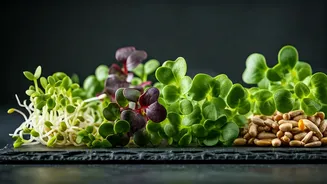
kitchens of Mumbai, Delhi, and Bengaluru, a different kind of green is taking over. Microgreens—the young seedlings of vegetables and herbs like radish, mustard, kale, and amaranth—are being used not just as a pretty afterthought, but as an integral component that adds nutritional value, complex flavors, and a delicate, modern aesthetic. While cilantro provides a familiar, pungent kick, micro-radish offers a peppery bite, and micro-mustard lends a subtle heat that complements, rather than overpowers, the intricate spices of a dish. This isn't about replacing tradition, but about expanding the culinary toolkit for a new generation of chefs and diners.
The Ultimate Health Halo
The rise of microgreens is inextricably linked to a larger global wellness movement that has found fertile ground in urban India. As consumers become more educated about nutrition, the demand for food that is both delicious and functional has skyrocketed. Microgreens fit the bill perfectly. They are famously nutrient-dense, with studies showing they can contain up to 40 times the vitamin and mineral content of their mature counterparts. For a growing class of health-conscious urbanites, adding a sprinkle of micro-broccoli or micro-kale to a salad, soup, or even a modern take on dal is an easy and effective way to boost their nutritional intake. This shift reflects a modern interpretation of ancient Indian wellness principles, where food is seen as medicine. In this context, microgreens are the new superfood, delivering maximum benefit in a small, convenient package.
A Feast for the Instagram Feed
In the 21st century, we eat with our eyes first, and nowhere is this truer than in the trend-driven food scenes of major metro areas. The visual appeal of microgreens is a massive factor in their popularity. Their delicate forms and vibrant hues—from deep purple amaranth to bright green pea shoots—provide a striking contrast to the rich, earthy tones of many Indian dishes. A sprinkle of these tiny greens can elevate a simple bowl of soup or a plate of kebabs into a work of art that is practically begging to be photographed and shared on social media. Chefs understand this power. A visually stunning dish is its own marketing engine, and microgreens offer an accessible way to create that “wow” factor. This aesthetic appeal has helped propel the trend from niche fine-dining establishments into the mainstream, influencing home cooks who want to replicate that restaurant-quality presentation in their own kitchens.
From Farm-to-Table to Urban Balcony
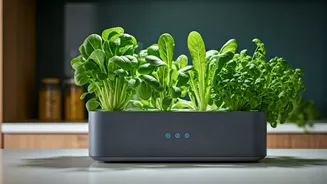
This trend isn't just about what's on the plate; it's also about a growing interest in local, sustainable food sources. The fragility and short shelf life of microgreens make them an ideal candidate for urban farming. Across India's major cities, small-scale hydroponic and vertical farms have sprung up to supply restaurants with fresh, high-quality greens, cutting down on transportation costs and environmental impact. This has created a new ecosystem of local producers catering directly to chefs. Furthermore, the trend has trickled down to the consumer level. Microgreen growing kits are becoming increasingly popular, allowing apartment-dwellers to cultivate their own fresh, pesticide-free greens on a windowsill or balcony. This shift marks a deeper connection to food, empowering people to be part of the production process and ensuring they have access to the freshest ingredients possible.