


Haflong: The Lone Hill Station
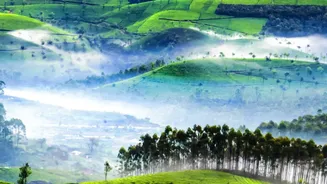
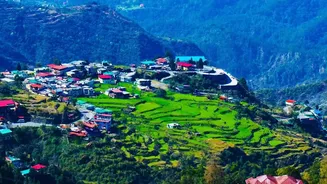
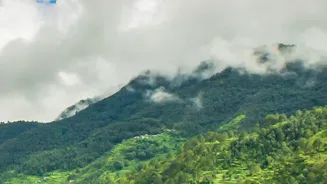
Often called the 'Switzerland of the East', Haflong is Assam's only recognised hill station and a true gem during the monsoon. While other mountain towns swell with tourists, Haflong offers a peaceful retreat. The rains breathe life into its rolling hills,
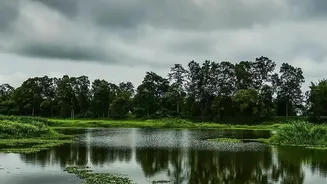
creating misty landscapes that are a photographer’s dream. The iconic Haflong Lake, nestled in the town's heart, reflects the dramatic monsoon sky, offering serene boating experiences on calm days. While the season can bring landslides, making it essential to check road conditions, the reward is a quiet town where the crisp air is filled with the scent of wet earth and pine. It’s an ideal escape for those seeking solitude and stunning natural beauty, with nearby attractions like the powerful Panimoor Waterfall becoming even more spectacular.
Majuli: The Verdant River Island
Imagine the world's largest river island turning into a vibrant, green sanctuary. That's Majuli during the monsoon. As the Brahmaputra river swells, the island's paddy fields become a dazzling shade of emerald, and its wetlands come alive. While visiting a river island in monsoon might sound counterintuitive due to potential flooding, this is when Majuli's unique charm is most palpable, offering a raw, authentic experience. It’s a time for cultural immersion in the ancient Satras (Vaishnavite monasteries), which feel even more mystical against the grey, cloudy skies. Life slows down, inviting you to sip chai, watch the rain fall, and connect with the island's Mising community. For those seeking cultural depth over chaotic tourism, monsoon in Majuli is an unforgettable journey.
Dibrugarh: The Rain-Kissed Tea Capital
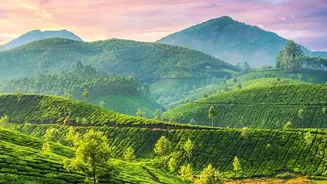
There is perhaps nothing more symbolic of the monsoon than enjoying a hot cup of tea while watching the rain. In Dibrugarh, the 'Tea City of India', you can live that experience surrounded by endless plantations. The monsoon transforms the tea gardens into a lush carpet of green, with the freshly washed leaves glistening under the soft light. Many heritage tea bungalows offer immersive stays, allowing you to wake up to misty mornings and the rhythmic patter of rain on the roof. Instead of jostling for space, you can enjoy quiet walks through the estates, learn about the tea-making process, and witness the landscape at its most vibrant. It’s a tranquil, sensory-rich alternative to a conventional hill station holiday.
Guwahati: The Spiritual Urban Escape
While a bustling city, Guwahati offers a different kind of monsoon magic. The mighty Brahmaputra river, which flows through the city, takes on a powerful and dramatic appearance. The famed Kamakhya Temple, perched atop Nilachal Hills, becomes even more atmospheric when shrouded in mist and clouds. A ferry ride to the Umananda Temple on Peacock Island feels like a journey to another world. The city’s proximity to other destinations like the Pobitora Wildlife Sanctuary, where the wetlands flourish, makes it an excellent base. Guwahati in the monsoon provides a mix of spiritual energy, urban comfort, and natural splendour, proving you don’t have to go completely remote to escape the crowds.
Dibru-Saikhowa National Park: A Wetland Wonderland
For the adventurous nature lover, the monsoon turns Dibru-Saikhowa National Park into a thriving wetland ecosystem. As the Brahmaputra and Dibru rivers flood the plains, the park becomes a unique environment best explored by boat. This season offers incredible opportunities for birdwatching, as the flourishing wetlands attract a rich diversity of avian life. It’s a raw, off-the-beaten-path experience, offering a different perspective on wildlife viewing compared to the jeep safaris of the dry season. While some areas may be inaccessible, the boat safaris provide an intimate and immersive way to see nature in its most powerful and life-giving phase, a stark contrast to the structured tourism of other destinations.