
The Leftover Rollercoaster
Every time you heat a large container of leftovers and then return the unused portion to the fridge, you're putting the food through a temperature rollercoaster. This cycle of heating and cooling can be risky. The 'temperature danger zone,' as defined
by food safety experts, is the range between 40°F and 140°F (about 4°C to 60°C). In this zone, bacteria can multiply rapidly, sometimes doubling in as little as 20 minutes. Reheating a big batch of food and then letting it cool down again means it spends more time in this danger zone, increasing the risk of foodborne illness. Beyond the safety concerns, this repeated process also ruins the food. Proteins can get tough, starches turn mushy, and flavors become dull and watered-down.
Introducing the Portion Plan
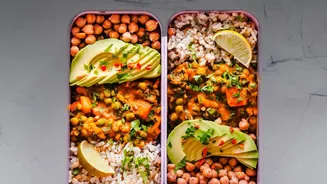
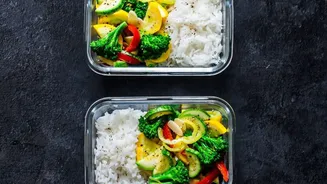
The solution is elegantly simple: a leftover portion plan. Instead of storing a large dish in one giant container, you divide it into single-serving portions right after cooking. Once the food has cooled slightly but is still warm, you transfer it into smaller, individual containers before refrigerating or freezing. This 'cook once, portion right' strategy is the core of the plan. It means that when you're ready for a meal, you only take out and reheat exactly what you need. The rest of your leftovers stay safely chilled and undisturbed in their containers, waiting for their turn. This is not just a food safety hack; it’s a fundamental shift in how you handle leftovers for the better.
Why It Works: The Science of Cooling
The main benefit of a portion plan is that it dramatically improves cooling speed, which is critical for safety. A large, deep pot of hot stew can take many hours to cool in the refrigerator, spending a dangerous amount of time in the bacterial growth zone. Dividing that same stew into several shallow containers allows heat to escape much more quickly. According to the USDA and other food safety authorities, one of the most common causes of foodborne illness is the improper cooling of cooked foods. By portioning, you ensure each smaller amount cools rapidly to the safe refrigerator temperature of 40°F or below, minimizing the window for bacteria to thrive.
Beyond Safety: Better-Tasting Leftovers
While safety is paramount, let's not forget about quality. A portion plan is the secret to leftovers that don't taste like, well, leftovers. When food is only reheated once, it retains much more of its original texture and flavor. Repeated heating and cooling cycles break down the cellular structure of food, which is why twice-heated chicken can become rubbery and vegetables turn to mush. By portioning, you give each serving its best chance to shine. When you do reheat, be sure to bring the food to a safe internal temperature of 165°F to ensure any potential bacteria are eliminated, which also helps preserve moisture and taste.
Your Step-by-Step Portioning Guide
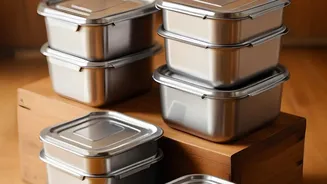
Ready to get started? Implementing a portion plan is easy. First, after cooking, let the food cool slightly at room temperature for no more than two hours. Never put a steaming hot dish directly into the fridge, as it can raise the internal temperature and compromise other foods. Next, choose your containers. Shallow, airtight containers are best for quick cooling and freshness. Glass or metal containers cool food faster than plastic. Divide the main dish into meal-sized portions. If you plan to freeze some, leave a little headspace for expansion. Finally, label and date each container. This helps you keep track of what you have and ensures you use it within the recommended 3-4 days for refrigerated leftovers or within a few months for frozen ones.
The Bonus: Saving Time and Money
Adopting a leftover portion plan comes with fantastic side benefits. It’s essentially a form of light meal prep. Having grab-and-go, pre-portioned meals in the fridge or freezer is a lifesaver on busy weekdays. It can curb the temptation to order takeout, saving you money. Most importantly, this strategy is a powerful tool against food waste. When leftovers are appealing and easy to eat, they are far less likely to be forgotten at the back of the fridge until they are no longer safe or appetizing. By preserving the quality of your lovingly cooked meals, you ensure they get eaten and enjoyed, not thrown away.