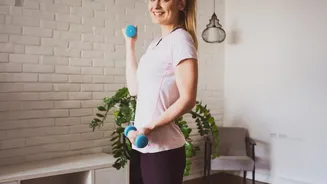




Bad weather, a busy schedule, or no access to a gym? Indoor walking is a free, effective, and gentle way to stay active. It requires no special equipment, just a small patch of space to get your heart rate up and improve your overall health.
The Powerful Perks of Walking Inside
Don't underestimate
the power of walking in place. It's a fantastic low-impact cardio workout, meaning it's gentle on your joints while still strengthening your heart and lungs. This makes it ideal for beginners, individuals recovering from injury, or anyone with joint concerns like arthritis. The benefits are extensive: it helps burn calories to manage weight, improves circulation, lowers blood pressure, and can reduce the risk of chronic conditions like type 2 diabetes and heart disease. Beyond the physical, walking is a known mood booster, releasing endorphins that help alleviate stress and improve your mental wellbeing. Plus, the convenience is unmatched — you can do it anytime, anywhere, regardless of weather or time of day, fitting it into short breaks between meetings or while watching TV.
How to Get Started
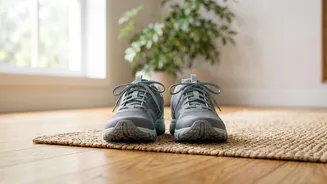
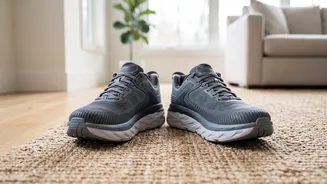
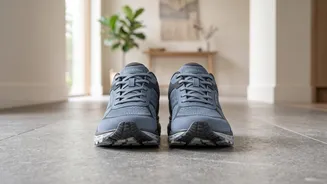
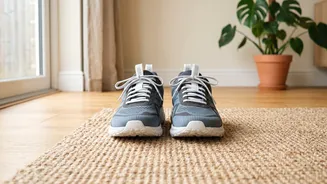
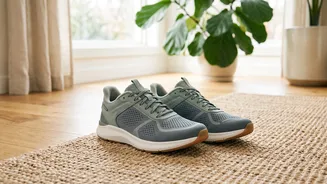
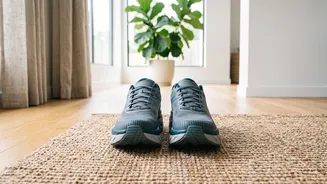
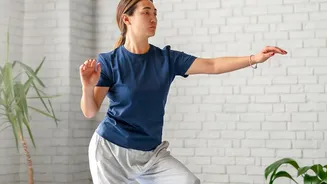
Getting started with indoor walking is incredibly simple. You don't need a treadmill or fancy gadgets. All you really need is a small, clear area in your living room, bedroom, or even a hallway. Make sure you remove any trip hazards like loose rugs or clutter. While you can walk barefoot, wearing a pair of supportive shoes is recommended to provide good traction and cushion your feet. The key to good form is to stand tall, with your shoulders back and your core gently engaged. Imagine a string pulling the top of your head toward the ceiling to maintain good posture. As you walk, swing your arms naturally, just as you would outdoors.
Core Moves Beyond Marching in Place
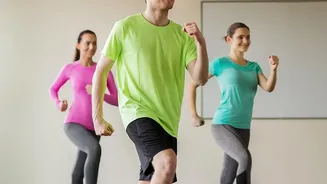
While marching on the spot is the foundation, you can incorporate other moves to work different muscles and keep your workout engaging. Try these variations:
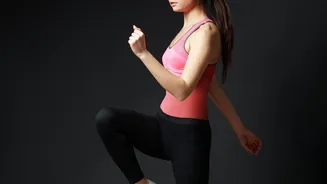
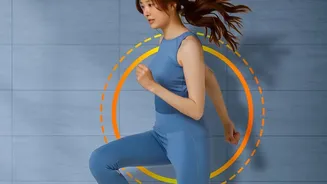
- High Knees: As you march, lift your knees up towards your waist or higher. This engages your core and increases the intensity.
- Side Steps: Step one foot out to the side, then bring the other foot to meet it. Repeat in the other direction. This move targets the lateral muscles in your hips and thighs.
- Butt Kicks: While marching, try to kick your heel back towards your glutes. This move is great for activating your hamstrings.
- Heel Taps: Tap one heel out in front of you, then switch. This can help with mobility.
- Backward Walking: In a clear space, try walking backward for a few steps. This challenges your balance and works your leg muscles in a new way.
A Sample 20-Minute Beginner Routine
Creating a structured workout helps maximise benefits. Here’s a simple 20-minute routine you can follow.
- Warm-Up (3 minutes): Start with a slow march in place. Roll your shoulders and do some gentle arm circles to get your body ready.
- Main Set (14 minutes): Alternate between different moves. Try this circuit and repeat it twice:
- 2 minutes of brisk marching
- 1 minute of high knees
- 2 minutes of brisk marching
- 1 minute of side steps
- 1 minute of butt kicks
- Interval Bursts: During your marching segments, try walking at a fast pace for 60 seconds, followed by 60 seconds at a slower recovery pace. This interval style boosts your heart rate and calorie burn.
- Cool-Down (3 minutes): Gradually slow your pace back down to a slow march. End with some gentle stretches for your legs, particularly your calves and hamstrings.
Keeping Your Indoor Walk Engaging
Walking in one spot can sometimes feel monotonous, but there are many ways to keep it fun. Put on an energizing music playlist; a beat of around 120–130 beats per minute (BPM) is often perfect for a brisk walking pace. You can also catch up on your favourite TV show, listen to a podcast, or follow one of the thousands of free guided indoor walking videos available online. These videos often include a variety of moves and music, making the time fly by. If you have stairs, walking up and down them is an excellent way to increase the intensity and build leg strength. Even short bursts of activity, like marching in place during TV commercials, add up and contribute to your daily fitness goals.