





Why a One-Size-Fits-All Approach Fails
Hydration isn't just a summer concern. Your body's fluid needs change dramatically with your environment. In India, the difference between exercising in the dry heat of May, the oppressive humidity of August, or the cool air of January is significant.
High heat increases sweat production, while high humidity prevents that sweat from evaporating, making your body work harder to cool down. Conversely, in cold weather, you may not feel as thirsty, but you still lose significant fluid through respiration (the visible water vapour in your breath) and sweat that evaporates quickly in the dry air. A generic “drink eight glasses a day” rule doesn’t account for these variables, nor for personal factors like body weight and workout intensity. A calibrated protocol ensures you are replacing what you actually lose, season by season.
Step 1: Gather Your Simple Tools
You don’t need a high-tech lab to measure your fluid loss. The most reliable method requires just a few basic items: a digital scale that is accurate to at least 0.1 kg, your usual workout clothes, a timer, and a measuring bottle for any fluids you drink during exercise. For the most accurate reading, it’s best to weigh yourself without clothes before and after your session. This simple weigh-in method is considered a highly effective way for any individual to get a personalized fluid loss metric.
Step 2: Calculate Your Sweat Rate
Your sweat rate is the amount of fluid you lose per hour of exercise. To find it, follow this protocol for a typical 60-minute workout. First, weigh yourself nude right before exercising and record your pre-exercise weight. Perform your workout, keeping track of exactly how much fluid you drink in millilitres or ounces. Immediately after finishing, towel off any excess sweat and weigh yourself nude again to get your post-exercise weight. Now, calculate the difference between your pre- and post-exercise weights. Add the amount of fluid you consumed during the workout to this number. The result is your total fluid loss for that session. For example, if you lost 1 kg (1000g) and drank 500 ml of water, your total fluid loss is 1.5 litres for that hour-long workout.
Step 3: Map Your Metrics Across Seasons
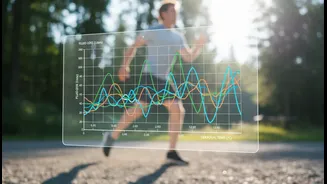
One test isn't enough. The key to a truly calibrated plan is to understand how your body responds to different conditions. Repeat your sweat rate test several times throughout the year to build a seasonal map. Conduct a test on a hot, dry day, another during the humid monsoon season, and one more during a cooler winter month. You will likely find that your sweat rate is significantly higher in the heat and humidity. This data is your personal guide, showing you how much more fluid you need to consume during a summer run compared to a winter one. Keeping a simple log of the temperature, humidity, and your corresponding sweat rate will provide an invaluable reference.
Step 4: Design Your Rehydration Protocol
With your seasonal sweat rates calculated, you can now build your plan. The goal is to avoid losing more than 2% of your body weight during exercise, as performance can decline beyond this point. Your sweat rate tells you roughly how much fluid you should aim to drink per hour during exercise. For example, if you lose 1 litre per hour, you should aim to drink around 250 ml every 15 minutes. For workouts longer than 60-90 minutes, your drink should also contain electrolytes, especially sodium, to help your body retain fluid and prevent cramps. Post-exercise, a good rule of thumb is to drink 1.5 litres of fluid for every kilogram of body weight lost to fully rehydrate.