



The Fundamentals of a Cool Home
Creating a comfortable indoor environment is the first line of defence against the oppressive summer heat. Use curtains or blinds to block direct sunlight during the hottest parts of the day, which significantly lowers indoor temperatures. Ensure good
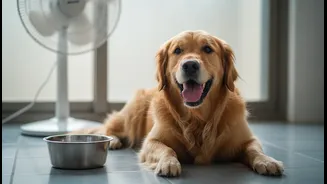
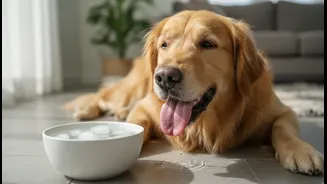
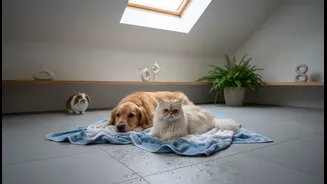
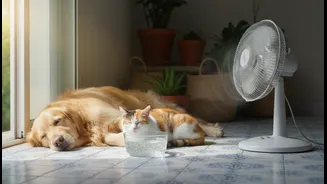
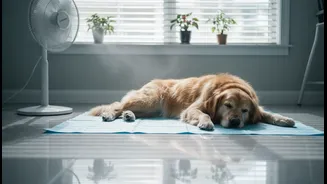
air circulation with fans or air conditioning, but avoid positioning your pet directly in a cold draft. Tiled floors, like marble or ceramic, are natural cooling spots that many pets will seek out. You can also place damp towels on the floor for them to lie on for added relief. Always ensure your pet has access to multiple bowls of fresh, cool water throughout the house. A pet that doesn't have to walk far for a drink is more likely to stay hydrated. Never, under any circumstances, leave a pet in a parked car, where temperatures can become fatal in minutes.
Strategies for Canine Comfort
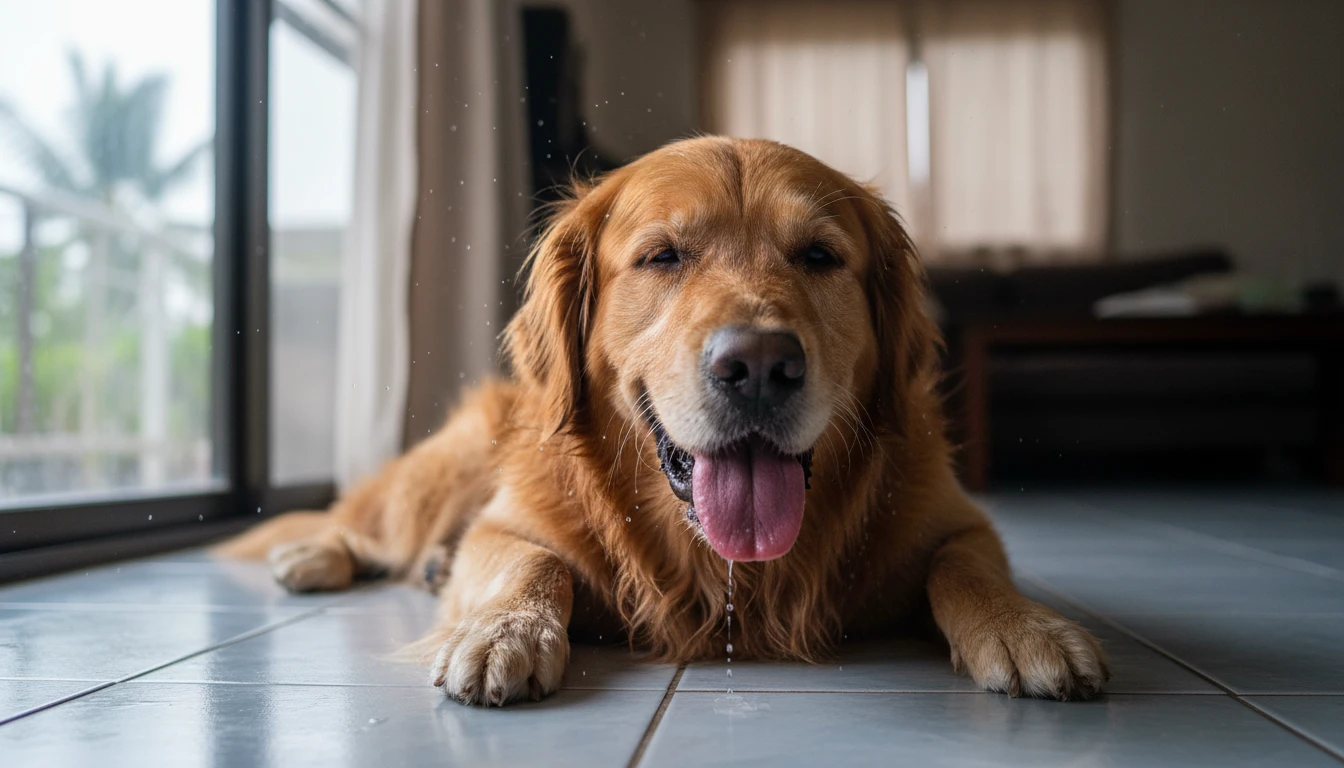
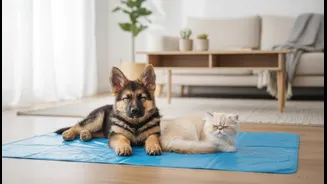
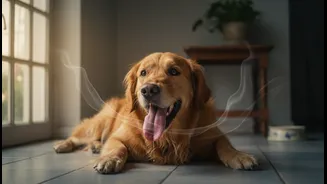
Dogs rely heavily on panting to regulate their body temperature, which becomes less effective in high heat and humidity. Adjust your walk schedule to early mornings and late evenings, avoiding the scorching midday sun. Before you step out, use the seven-second test: place the back of your hand on the pavement. If it's too hot for you, it's too hot for your dog's paws. Regular grooming is also crucial. Brushing your dog’s coat removes loose undercoat fur, allowing for better air circulation against their skin. However, avoid shaving them completely, as their coat provides protection from sunburn. For extra comfort, consider a cooling mat, which contains a pressure-activated gel that absorbs body heat, or a damp bandana tied loosely around their neck.
Keeping Felines Cool and Calm
Cats are masters of hiding discomfort, so owners need to be extra observant. While some cats enjoy basking in a sunbeam, they can overheat. Ensure they have plenty of shaded, cool spots to retreat to, such as a tiled bathroom floor or a spot under the bed. Many cats are not enthusiastic drinkers, so encouraging hydration is vital. A water fountain can entice them with running water, and adding wet food to their diet significantly boosts their fluid intake. You can also make frozen treats by freezing tuna water or chicken broth in an ice cube tray. Unlike dogs, cats rarely pant, so if you see your cat breathing with its mouth open, it is a sign of serious distress that requires immediate veterinary attention.
Care for Rabbits, Hamsters, and Guinea Pigs
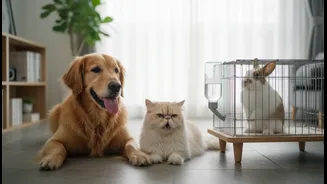
Small mammals like rabbits, guinea pigs, and hamsters are extremely sensitive to heat, with temperatures above 25°C often becoming dangerous. Their enclosures must be kept out of direct sunlight and in a well-ventilated room. A simple and effective cooling method is to place a frozen water bottle wrapped in a towel inside their habitat, allowing them to lie against it. You can also place cool ceramic tiles or a chilled sand bath in their cage for them to rest on. Rabbits regulate their body temperature through their large ears; lightly misting their ears with cool water can provide relief. For all small pets, offering water-rich vegetables like cucumber can help with hydration, but always ensure the foods are safe for the specific species.
Recognising the Red Flags of Heatstroke
Heatstroke is a medical emergency that can be fatal if not treated immediately. Early warning signs in dogs include excessive panting, heavy drooling, and bright red gums. In cats, look for restlessness, rapid breathing, and drooling. Small animals may appear lethargic, breathe shallowly, and have hot ears. As the condition worsens, any animal may show signs of disorientation, vomiting, stumbling, or even collapse and seizures. If you suspect heatstroke, move your pet to a cool, shaded area immediately. Apply cool—not ice-cold—water to their body, focusing on their paws, groin, and neck. Offer small sips of water if they are conscious, and contact your veterinarian for urgent care, even if your pet seems to be recovering.