







The Allure and Challenge of Monsoon Travel
From June to September, the Indian subcontinent transforms under the monsoon rains. Waterfalls cascade down mountainsides, hills turn a vibrant shade of green, and the entire landscape feels refreshed. For travellers, it can be a magical time to explore,
often with the added benefits of lower prices and fewer tourists. However, this season of renewal is also a period of significant travel disruption. Heavy rainfall can lead to everything from minor delays to major cancellations across all modes of transport, turning a dream holiday into a logistical puzzle. Understanding these challenges is the first step to navigating them successfully.
Navigating the Skies: Flight Disruptions
Flying during the monsoon requires a healthy dose of patience. The primary issue isn't just rain itself, but the associated weather phenomena. Towering storm clouds, known as cumulonimbus, create severe turbulence, hail, and lightning that pilots are trained to avoid. This can lead to aircraft holding in the air, taking longer routes, or diverting to other airports. On the ground, heavy downpours can cause waterlogging on runways, reducing braking effectiveness and forcing airports to slow the rate of landings and takeoffs for safety. Lightning near the airfield can also halt all ground-handling activities. Airlines often issue advisories during this season, and a single delay in the morning can create a cascading effect, disrupting schedules for the rest of the day. To mitigate this, consider booking early morning flights, which are generally less susceptible to afternoon storm build-ups.
On the Rails: When Train Journeys Slow Down
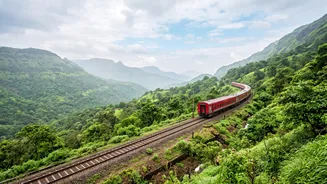
Indian Railways, the lifeline of the nation, is also vulnerable to the monsoon's fury. Heavy and persistent rain can cause waterlogging on tracks, especially in low-lying urban and coastal areas, forcing trains to run at a restricted speed. In hilly regions, particularly the Western Ghats on the Mumbai-Pune corridor or routes in the Northeast, the risk of landslides is a major concern. Debris on the tracks can lead to entire sections of the line being closed for days, resulting in widespread cancellations, diversions, and short-terminations of services. Before heading to the station, it is crucial to check your train's live status using official apps and websites, as schedules can change with little notice.
Hitting the Road: A Test of Patience
Road travel during the monsoon presents its own unique set of challenges. In cities, waterlogged streets and underpasses can cause massive traffic jams that last for hours. On highways, reduced visibility and slippery surfaces increase the risk of accidents, making it essential to drive slowly and maintain a safe distance from other vehicles. The biggest danger, especially in mountainous regions like the Himalayas or the ghats of Maharashtra, is landslides, which can block roads and leave travellers stranded. It's wise to check local weather alerts and road conditions before you start, avoid driving in hilly areas at night, and always have a backup plan. What may look like a harmless puddle could be hiding a deep pothole.
Essential Tips for a Smoother Journey
Being prepared can make all the difference between a frustrating trip and a memorable adventure. Always build buffer days into your itinerary; a journey that normally takes one day might take two. Pack smart: invest in a waterproof backpack or cover, and use zip-lock or dry bags to protect electronics and important documents. Choose synthetic, quick-drying clothes over cotton and denim. A sturdy umbrella, a reliable raincoat, and non-slip waterproof footwear are non-negotiable. Carry a fully charged power bank, as power cuts can be common. Finally, keep emergency contacts, downloaded offline maps, and some snacks and drinking water handy for any unexpected waits.