




The Verdant Tea Gardens of Upper Assam
The heart of Assam's identity, its sprawling tea estates, are at their most beautiful during the monsoon. In regions like Jorhat and Dibrugarh, the rain washes the tea leaves, leaving them glistening and vibrant. The air fills with the rich, earthy scent
of wet soil and fresh tea. This season is a unique opportunity to witness the tea production process, from watching skilled workers pluck the tender leaves amidst the showers to understanding how they are processed. Many heritage tea bungalows offer stays, allowing you to wake up to misty mornings, stroll through rain-drenched gardens, and sip a fresh brew while watching the clouds roll over the hills. The entire landscape turns into a mesmerising tapestry of lush greenery.
Haflong and the Journey Through Misty Hills
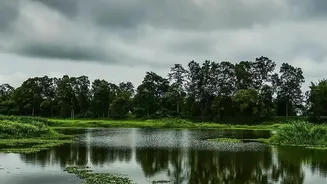
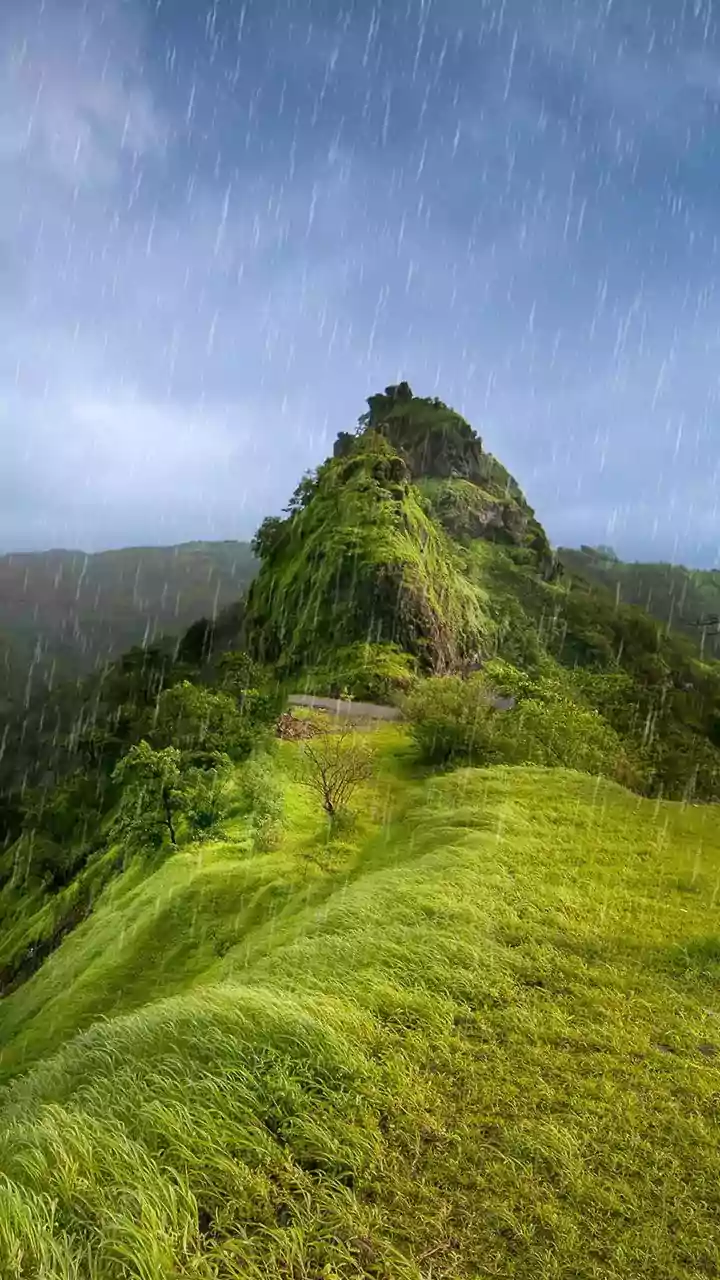
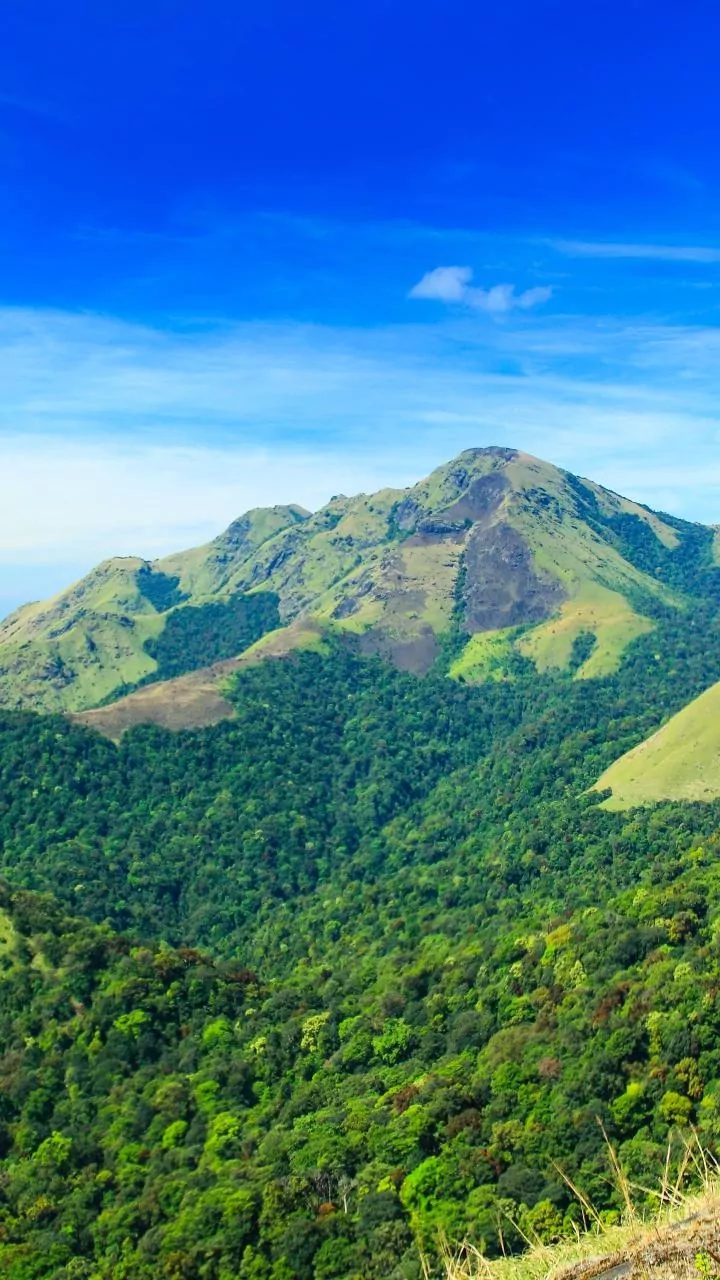
As Assam's only recognised hill station, Haflong becomes a dreamy retreat during the monsoon. The drive itself is an experience, with clouds that feel like white rivers flowing through the valleys. The hills, covered in dense forests and orchids, come alive with countless waterfalls that seem to appear overnight. The serene Haflong Lake, surrounded by mist-laden hills, is perfect for a quiet stroll. For those seeking a bit of adventure, the forest trails become thrilling paths into the fog-laced unknown. It's a journey that offers the perfect hill station escape, watching the rain from a cozy cottage.
Waterfalls in Their Full Monsoon Glory
The monsoon feeds Assam's waterfalls, turning them from gentle streams into powerful, roaring spectacles. Panimur Waterfall, often called the "Mini Niagara of Assam," is especially dramatic as the Kopili River crashes over the rocks. Near Kaziranga, the Kakochang Waterfalls offer a picturesque sight, nestled amidst forests and tea gardens. Further afield, in the Karbi Anglong district, you can find hidden gems like Bhelughat and Kangthilangso waterfalls. Even smaller cascades like Sivakunda become incredibly photogenic, surrounded by lush greenery, making them a favourite for nature lovers during the rainy season.
The Brahmaputra and its Transformed Islands
The mighty Brahmaputra River swells during the monsoon, taking on a majestic and powerful form. A river cruise or even a simple ferry ride from Guwahati offers a unique perspective of the rain-swept city and mystical temples like Umananda on its island. However, the monsoon's impact is most profound on Majuli, the world's largest river island. While heavy floods can make travel challenging and require flexibility, the rainy season also turns the island into a lush, emerald paradise. The paddy fields shimmer, and life slows to the rhythm of the rain. For those prepared for an offbeat adventure, seeing the Mising tribe's stilt houses surrounded by water is an unforgettable sight.
Wildlife Sanctuaries: A Different Kind of Green
While major national parks like Kaziranga and Manas are largely closed to visitors from June to October due to flooding, the monsoon still offers unique wildlife experiences. The surrounding landscapes of these parks become incredibly lush and beautiful. Some fringe areas and nearby sanctuaries like Pobitora Wildlife Sanctuary, known for its dense rhino population, remain accessible and offer a different kind of safari experience amidst rejuvenated wetlands. Dibru-Saikhowa National Park, a wetland ecosystem, is open year-round and comes alive during the rains, offering fantastic opportunities for boat safaris and birdwatching as migratory birds flock to the area.