







The Current Urban Health Crisis
Life in India's metros is taking a toll. The shift from rural to urban lifestyles has been linked to a rising burden of non-communicable diseases like diabetes, hypertension, and obesity. An 'always-on' work culture is contributing to high stress levels,
with nearly 50% of corporate employees reporting significant pressure. This is compounded by city environments often defined by traffic congestion, unsafe pedestrian infrastructure, poor air quality, and a lack of accessible green spaces. These factors combine to create a daily reality where both physical and mental well-being are constantly under threat. While cities offer economic opportunities, they often present significant barriers to a healthy life.
Rethinking Workplace Wellness
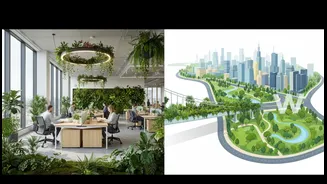
In response, Indian companies are increasingly investing in corporate wellness, a market valued at approximately INR 20,000 Crore. However, the old model of simply providing gym memberships and annual health check-ups is proving insufficient. The future of workplace wellness lies in a more holistic approach that prioritises mental and emotional health alongside physical fitness. Progressive companies are now offering access to confidential counselling, stress management workshops, and flexible work options to prevent burnout. The focus is shifting from generic perks to creating a supportive environment where employees can genuinely thrive. This includes ergonomic office design to encourage movement, healthier food options, and fostering a culture where disconnecting after work hours is encouraged and respected.
Urban Planning for People, Not Pollution
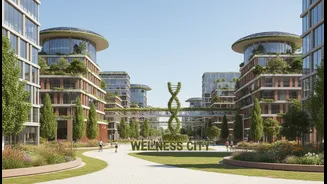
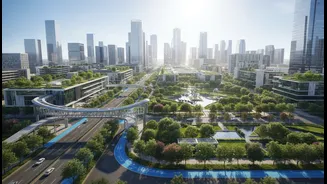
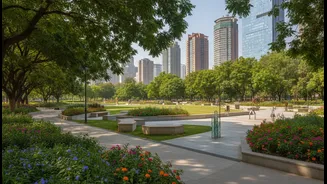
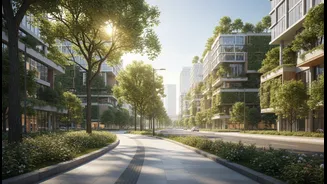
A healthy life cannot be sustained by workplace initiatives alone; the city itself must be a partner. This is where urban planning priorities need a radical shift. The concept of 'Healthy Cities', promoted by the World Health Organization, is gaining traction. This approach advocates for designing urban spaces with citizen health as a central goal. Instead of planning cities around cars, the focus moves to creating 'walkable' neighbourhoods, dedicated cycling lanes, and abundant, accessible green spaces. Initiatives in cities like Pune and Bengaluru have already started implementing projects that encourage active transport. The goal is to create environments that naturally promote physical activity, reduce pollution, and foster community connection, directly addressing many of the stressors of modern urban life.
A Virtuous Cycle of Well-being
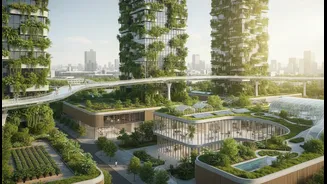
When workplace wellness and health-centric urban planning work in tandem, they create a powerful, self-reinforcing cycle. Companies that invest in genuine employee well-being find they have more productive, engaged, and loyal teams. A healthier workforce also means lower absenteeism and reduced healthcare costs for employers. Simultaneously, cities that prioritise green infrastructure, clean air, and safe public spaces become more attractive to talent and investment. They foster healthier, happier citizens who are more engaged in their communities. This creates a more resilient and productive society overall, where the environment in which people live and work actively contributes to their long-term health, rather than detracting from it.