



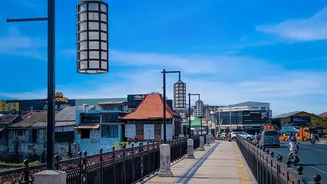
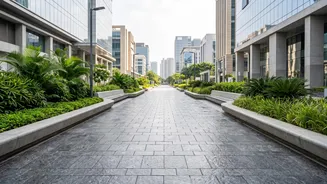
Amid the familiar chaos of traffic-choked streets, a quiet revolution is taking place. Across India, cities are beginning to reclaim forgotten and underused spaces, transforming them from zones of neglect into thriving hubs for people on foot.
A Nationwide Shift in Thinking
For decades,
urban planning in India has overwhelmingly prioritised the movement of vehicles. Roads were widened and flyovers constructed, often at the expense of footpaths and public spaces. However, a growing movement is pushing back, advocating for a more human-centric approach. This shift, often termed 'placemaking', involves converting underutilised areas—be it spaces under flyovers, neglected alleyways, or overly wide roads—into vibrant community assets. The goals are simple yet transformative: improve safety, reduce pollution, encourage social interaction, and boost local economies. Initiatives are sprouting across the country, from large-scale redevelopments to smaller, tactical interventions, proving that cities can be designed for people, not just cars.
Delhi's Chandni Chowk: A Royal Makeover
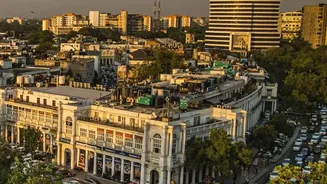
Perhaps the most high-profile example of this transformation is the redevelopment of Chandni Chowk in Delhi. The historic 1.3-km stretch, once infamous for its chaotic mix of traffic and crowds, was reimagined as a pedestrian-priority zone. Vehicular traffic is now restricted during the day, making way for wide, red sandstone pathways, benches, and organised spaces for vendors. The project aimed not only to decongest the area but also to restore its heritage character. By placing utilities underground and adding aesthetic elements like planters and new lighting, the iconic street has been revitalised, enhancing the experience for shoppers, tourists, and residents alike and serving as a catalyst for future revitalisation projects in the historic Shahjahanabad area.
Pune's Focus on Walkable Neighbourhoods
Pune has emerged as a leader in creating pedestrian-friendly infrastructure at the neighbourhood level. Through its ambitious Pune Streets Programme and a dedicated pedestrian policy, the city has committed to redesigning hundreds of kilometres of streets. The transformation of J.M. Road, for instance, created a wide pedestrian spine with seating areas, vendor zones, and green cover, turning a simple thoroughfare into an active public space. The city has recognised that improving walkability is not just about isolated projects but about creating a connected network. By focusing on 'complete streets' that are safe and accessible for all, including children and the elderly, Pune is demonstrating how to build a more humane urban environment from the ground up.
Chennai's 'Mega Streets' Vision
In the south, Chennai is undertaking a large scale initiative known as the 'Mega Streets' project (now also called the 'Complete Streets Project'). The vision is to redevelop key arterial roads into world class public spaces that prioritise non motorised transport. Projects on stretches like Khader Nawaz Khan Road and M.C. Road aim to create safer and wider footpaths, seamless multi modal integration, and spaces for public leisure. A key innovation is the integration of underground utility ducts for electrical cables, water pipelines, and data networks, ensuring that future maintenance does not disrupt the newly created surfaces. This long term thinking shows a commitment to not just building beautiful streets, but ensuring they remain functional and accessible for years to come.
The Benefits Beyond a Better Walk
The impact of these projects extends far beyond aesthetics. Studies show that well designed pedestrian corridors have a powerful ripple effect. Economically, businesses on improved streets report increased footfall and higher sales. Socially, these spaces foster a sense of community, with an overwhelming majority of women reporting feeling safer. Environmentally, encouraging walking reduces dependency on private vehicles, cutting down on carbon emissions and air pollution. These 'healthy streets' are proving to be smart investments, enhancing property values and creating long term economic, social, and climate benefits for the entire city.