


A Seasonal Spectacle in Jharkhand
Tucked away in the Kasmar block of Bokaro, about 50 kilometres from the district headquarters, Sevati Valley is a serene landscape on the border of Jharkhand and West Bengal. For most of the year, it's a quiet expanse of rolling hills. But as the monsoon
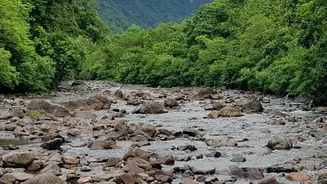
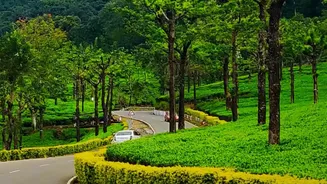
sets in from June to September, the valley undergoes a dramatic makeover. Recent spells of rain have once again transformed this spot into a breathtaking seasonal attraction, drawing travellers and nature lovers. What was once a dry, quiet region awakens with the sound of rushing water and hills cloaked in countless shades of green.
The Allure of the Gushing Waterfall
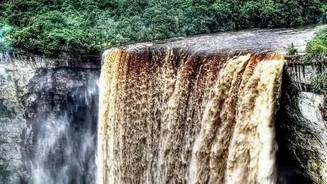
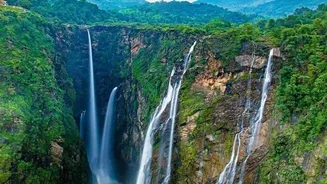
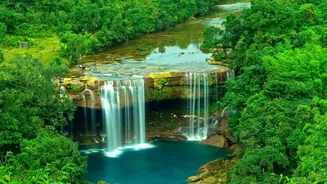
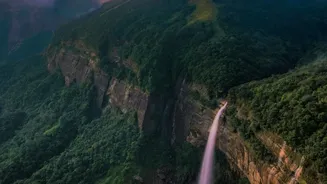
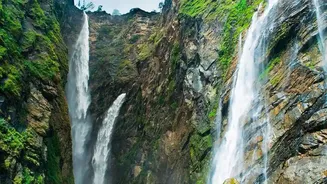
The centrepiece of Sevati Valley’s monsoon charm is its spectacular waterfall. Fed by the relentless rains, a powerful cascade of white water tumbles down through the dense, dark green foliage of the hills. This stunning contrast creates a mesmerising view that has become a favourite for photographers and a popular stop for people travelling along the route. The sight is so compelling that motorists often pull over simply to take in the view. This year, residents note that the waterfall is particularly impressive, its beauty amplified by the generous rainfall, making it a must-see spectacle.
Misty Hills and Lush Landscapes
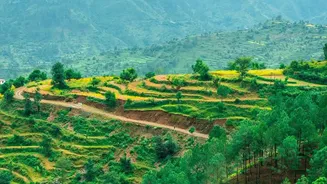
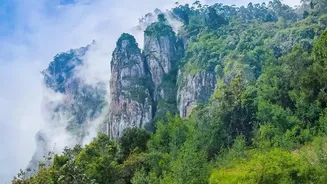
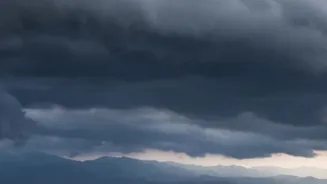
Beyond the waterfall, the entire valley contributes to the monsoon appeal. The hills, covered in a fresh carpet of green, are often shrouded in low-hanging clouds and mist, creating an ethereal, almost cinematic landscape. This cool, misty atmosphere is a world away from the summer heat, offering a refreshing escape. The air is clean, the surroundings are tranquil, and the steady sound of rain and flowing water provides a soothing natural soundtrack. For those seeking peace and a deep connection with nature, the valley's serene and picturesque environment is a powerful draw.
A Call for Development
Despite its growing popularity as a seasonal attraction, Sevati Valley remains a relatively undeveloped tourist spot. It is officially listed as a 'D-Grade' tourist place by the state. Visitors will find the area largely rustic, and local leaders have called for the government to provide basic infrastructure. There is a demand for improved safety measures, proper seating areas, clear signboards, and sanitation facilities to make the experience more comfortable and secure for visitors. Locals believe that with proper amenities, the valley could attract a much larger number of tourists from both Jharkhand and West Bengal, boosting the local economy and providing livelihoods.
Planning Your Visit
If you plan to witness the monsoon magic of Sevati Valley, the best time to go is from late June to September, when the rains are consistent and the landscape is at its peak vibrancy. The valley is located approximately 49-50 km from Bokaro Steel City and can be reached by road. The nearest major railway station is Bokaro and the closest airport is Birsa Munda Airport in Ranchi. Since infrastructure is minimal, it is advisable to carry your own food, water, and a first-aid kit. Wear sturdy, waterproof footwear as paths can be slippery. Most importantly, check local weather conditions before you travel, as heavy rains can sometimes affect accessibility.