







Is Your Pet Fit to Fly?
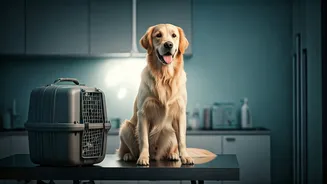
Before you even think about booking tickets, your first stop should be the veterinarian. A thorough check-up is crucial to confirm your pet is healthy enough for air travel. Pets with certain conditions like respiratory or heart problems may not be suited
for the stress of flying. This is also the time to ensure all vaccinations, especially for rabies, are up-to-date. Airlines require pets to be at least eight weeks old and weaned. It's important to note that sedation is generally not recommended and often forbidden by airlines, as it can interfere with breathing at altitude.
Navigating Airline Policies
In India, airline policies for pet travel vary significantly, so checking with your specific carrier is non-negotiable. Air India and Akasa Air are known for being more pet-friendly, offering options for pets to travel in the cabin, as checked baggage, or as cargo, depending on their size and weight. Typically, small pets (usually under 10kg, including the carrier) may be allowed in the cabin. Larger pets will need to travel in the temperature-controlled, pressurised cargo hold. Be aware that each flight has a limit on the number of pets allowed, so it is crucial to book their spot well in advance, often at least 48 hours before departure.
The Essential Paperwork
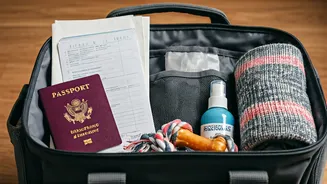
A smooth journey is paved with correct documentation. For domestic travel within India, you will generally need a health certificate from a registered veterinarian issued within a few days of your travel date, and up-to-date vaccination records. Air India, for instance, requires a health certificate issued within 7 days before departure, a rabies vaccination certificate, and a filled indemnity form. For international travel, the requirements are far more complex and can include microchipping, specific vaccination timelines, import/export permits from bodies like the Animal Quarantine and Certification Service (AQCS), and sometimes even blood titer tests. Always check the specific rules for your destination country months in advance.
Choosing the Right Travel Crate
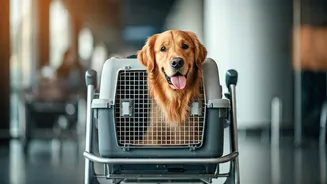
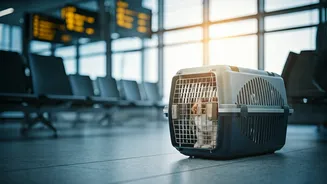
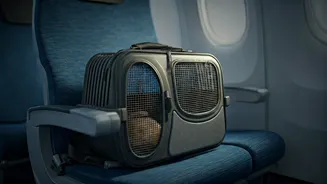
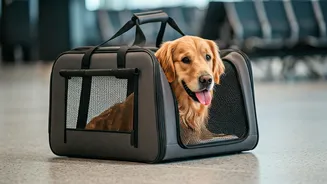
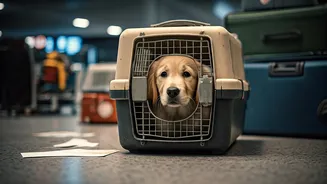
Your pet's carrier is their safe space during the flight. For travel in the cargo hold, a hard-sided crate that complies with the International Air Transport Association (IATA) Live Animals Regulations (LAR) is mandatory. This means the crate must be made of rigid material like hard plastic or wood, have adequate ventilation on at least three sides, and have a secure, spring-loaded locking mechanism on the door. For in-cabin travel, a soft-sided carrier that can fit under the seat in front of you is typically required. In all cases, the carrier must be large enough for your pet to stand, turn around, and lie down comfortably.
Preparing for the Big Day
The weeks leading up to the flight are for preparation and acclimatisation. Get your pet comfortable with their travel crate by leaving it open in your home with treats and toys inside. Start with short sessions and gradually increase the time they spend in it. On the day of the flight, provide a light meal about four to six hours before departure, but not immediately before, to reduce the risk of nausea. Water should be available up to the time of travel. Ensure your pet gets a good walk and a chance to relieve themselves before you head to the airport. Arrive at the airport early, at least three hours before your flight, as the check-in process for pets takes longer.