


The Old Guard of Fasting Food
Let’s be honest: traditional vrat food, while comforting, could feel a bit restrictive. The menu often revolved around a few key ingredients: sabudana (tapioca pearls), potatoes, and kuttu ka atta (buckwheat flour), usually fried into puris or pakoras.
While delicious, this starchy, often oily fare could leave one feeling heavy and lethargic—the opposite of what fasting’s spiritual and physical goals intend. The reliance on sabudana, a processed carb with minimal nutritional value, meant that fasts were often seen as a culinary endurance test rather than a period of mindful eating.
1. The Millet Makeover
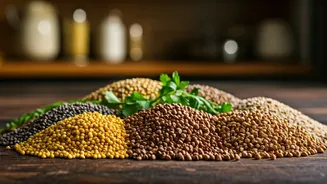
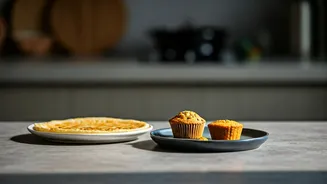
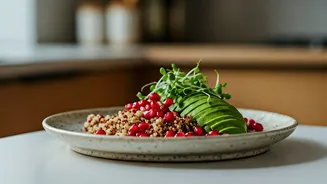
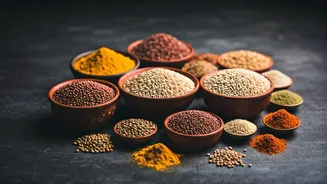
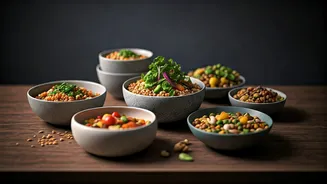
The biggest game-changer in the modern vrat kitchen is the rediscovery of ancient millets. Grains like samak (barnyard millet) and rajgira (amaranth) are fasting-compliant powerhouses. No longer confined to a simple porridge, samak is now being used to make fluffy idlis, crisp dosas, and light upmas. Its texture is remarkably similar to semolina (sooji), making it an intuitive substitute. These millets are not only gluten-free but also rich in fibre, protein, and minerals, providing sustained energy that keeps you feeling full and active through the day, a stark contrast to the quick energy spike and crash from sabudana.
2. Rooting for More Vegetables
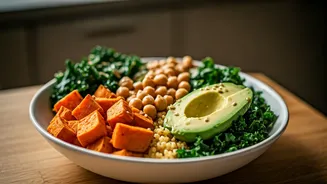
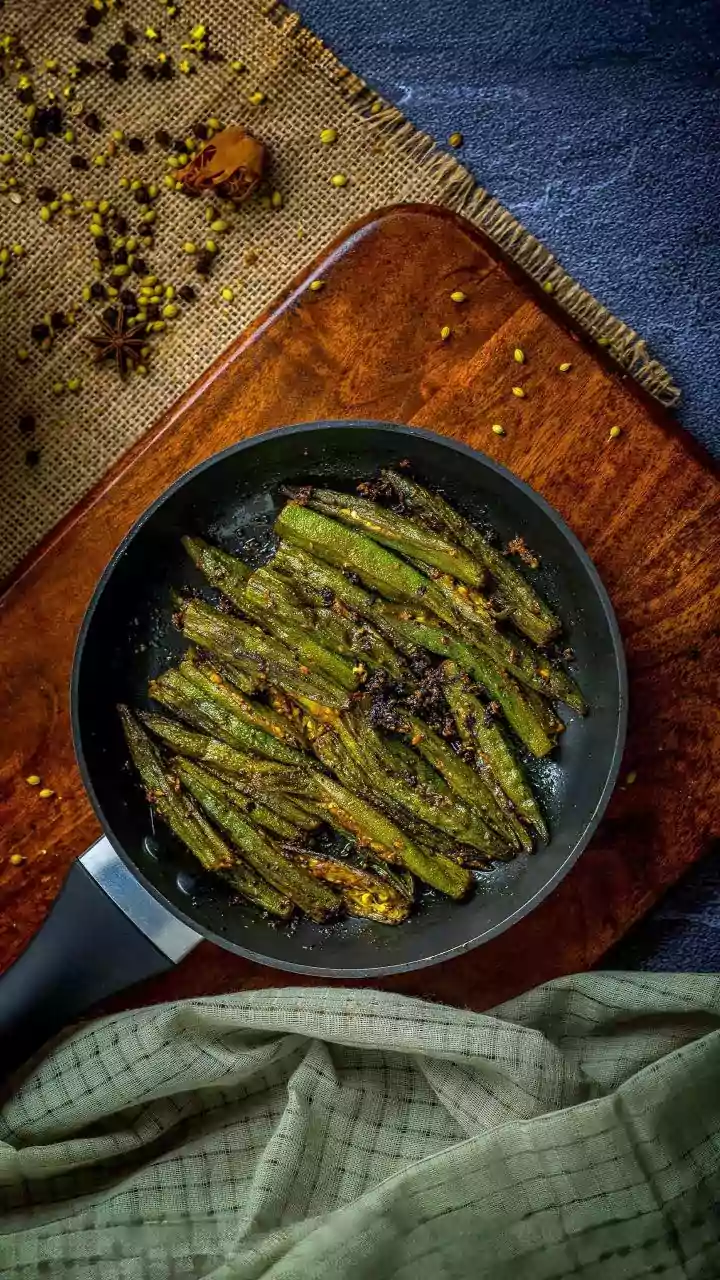
The potato has had a long and happy reign on the vrat thali, but it’s finally making room for others. Root vegetables like sweet potato (shakarkandi), yam (jimikand), and colocasia (arbi) are stepping into the spotlight. Chefs and home cooks are now baking sweet potato wedges instead of frying potato chips, creating savoury tikkis from mashed yam, and making crispy arbi fries seasoned with rock salt and black pepper. These vegetables offer a more complex flavour profile and a better nutritional bargain, boasting more fibre and a lower glycemic index than the humble potato.
3. Kuttu and Singhara Get Creative
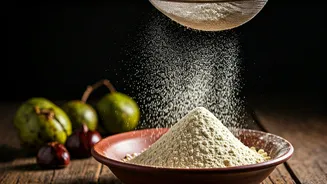
Kuttu (buckwheat) and singhara (water chestnut) flours were traditionally destined for one thing: puris. But the new-age vrat menu treats them with far more imagination. Think soft kuttu cheelas stuffed with paneer, singhara flour crepes served with a side of mint chutney, or even buckwheat pancakes drizzled with honey for a wholesome breakfast. By moving away from deep-frying, we’re not only making these dishes healthier but also unlocking the nutty, earthy flavours of these flours that were often masked by oil.
4. Nuts, Seeds, and Makhana Take Centre Stage
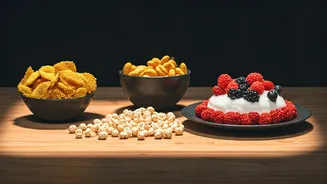
Snacking during a fast used to mean a handful of peanuts. Today, it’s a gourmet affair. Makhana (fox nuts) are the new popcorn—roasted and tossed in ghee with sendha namak and pepper, they are a crunchy, low-calorie, and protein-rich snack. Trail mixes made with almonds, walnuts, pumpkin seeds, and dates are becoming increasingly popular for a quick energy boost. Even desserts are getting a healthy makeover, with ladoos and barfis made from dates, figs, and nuts, offering sweetness without refined sugar.
5. A Shift in Philosophy
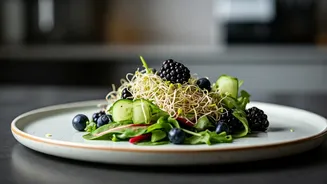
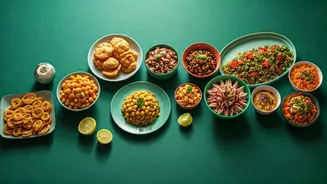
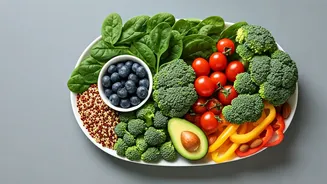
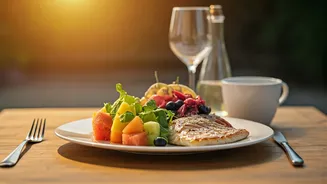
This evolution isn’t just about new ingredients; it’s about a new mindset. The modern approach to vrat food embraces the spirit of fasting—cleansing, mindfulness, and connecting with one’s body—while rejecting the idea that it must be a punishment. It prioritises nutrition, flavour, and variety. It's about using the dietary guidelines of the fast not as limitations, but as a creative challenge. This has been fuelled by a wider wellness trend in India, where people are more aware of what they eat and are actively seeking healthier alternatives in every aspect of their lives, including religious observances.