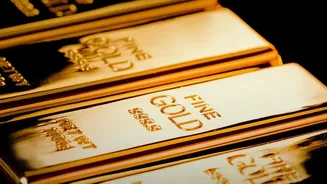



The festive season in India brings with it a familiar, glittering tradition: buying gold. For generations, families have flocked to jewellers, especially ahead of weddings. But this ritual is about far more than just adornment. What makes gold an enduring
priority?
A Divine and Auspicious Metal
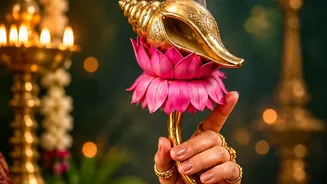
In Indian culture, gold is not merely a precious metal; it is imbued with sacred significance. Considered inherently pure and a symbol of good fortune, it is deeply intertwined with religious beliefs. Gold is associated with Goddess Lakshmi, the deity of wealth and prosperity, and purchasing it, especially during auspicious festivals like Dhanteras and Akshaya Tritiya, is seen as an invitation for her blessings. The word 'Akshaya' itself means 'never diminishing', reinforcing the belief that wealth acquired on this day will grow eternally. This makes buying gold a spiritual act, intended to bestow divine favour and prosperity upon the family, and particularly on a new bride as she begins her married life.
A Woman’s Financial Fortress: The Power of Stree Dhan
Historically and legally, gold has served as a critical form of financial security for women. The concept of 'Stree Dhan', which literally translates to 'woman's wealth', refers to the assets, predominantly gold jewellery, gifted to a woman before, during, and after her marriage. This wealth is her absolute property, over which her husband and his family have no legal claim. For centuries, when women were often barred from inheriting land, Stree Dhan provided a crucial safety net. It functioned as a portable, liquid asset that offered a woman financial independence and security in the face of unforeseen circumstances like widowhood or marital discord. This tradition continues to empower women, giving them a personal financial reserve that is entirely their own.
The Tangible Symbol of Status and Celebration
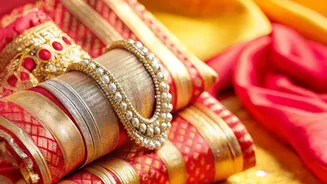
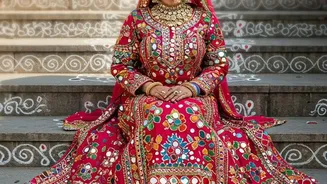
Beyond its spiritual and financial roles, gold is a powerful symbol of a family's social standing, love, and celebration. The quantity and intricacy of the gold gifted and worn during a wedding reflects the family's wealth and their joy on the occasion. It’s a visible expression of their blessings for the new couple's prosperous future. Gifting gold is a gesture of love and a way to solidify bonds between the two families. In this context, the jewellery is not just an accessory but a public declaration of heritage, pride, and the happy union of two families, making it an indispensable part of the wedding celebrations.
An Enduring Investment and Generational Link
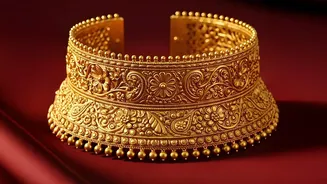
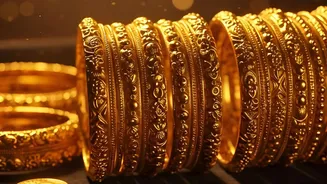
Gold's appeal is also intensely practical. It is a reliable investment that has historically acted as a hedge against inflation and currency fluctuations. Many families systematically accumulate gold over years with major life events, like a child’s wedding, in mind. This makes it a planned financial resource, not just a spontaneous purchase. Furthermore, bridal jewellery often consists of heirloom pieces passed down through generations. A necklace from a grandmother or bangles from a mother connect the bride to her lineage, carrying with them stories and blessings. This transforms the gold from a mere asset into a cherished emotional link to family history, meant to be preserved and passed on again.