






Understanding Feline Territory
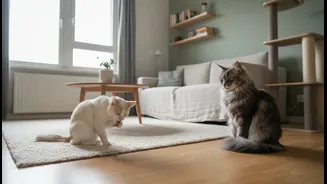
Before you even bring a new cat home, it’s crucial to understand how your current cat sees the world. Cats are inherently territorial. Your home isn't just a shared space; it's a carefully mapped-out territory that provides security and comfort. Every
surface is marked with their scent through rubbing, scratching, and yes, sometimes spraying. This scent map tells them they are safe. A new, unknown cat suddenly appearing in the middle of this safe space is not a friend—it’s a threat. This triggers a defensive, fearful, or aggressive response. Hissing, swatting, and fighting are not signs of a 'mean' cat, but a terrified one defending its core territory from an intruder. Rushing an introduction ignores this fundamental aspect of feline psychology and sets both cats up for failure and immense stress.
Step 1: The Safe Room Sanctuary
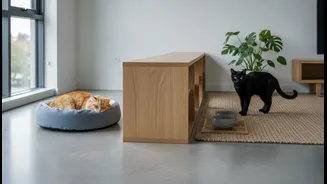
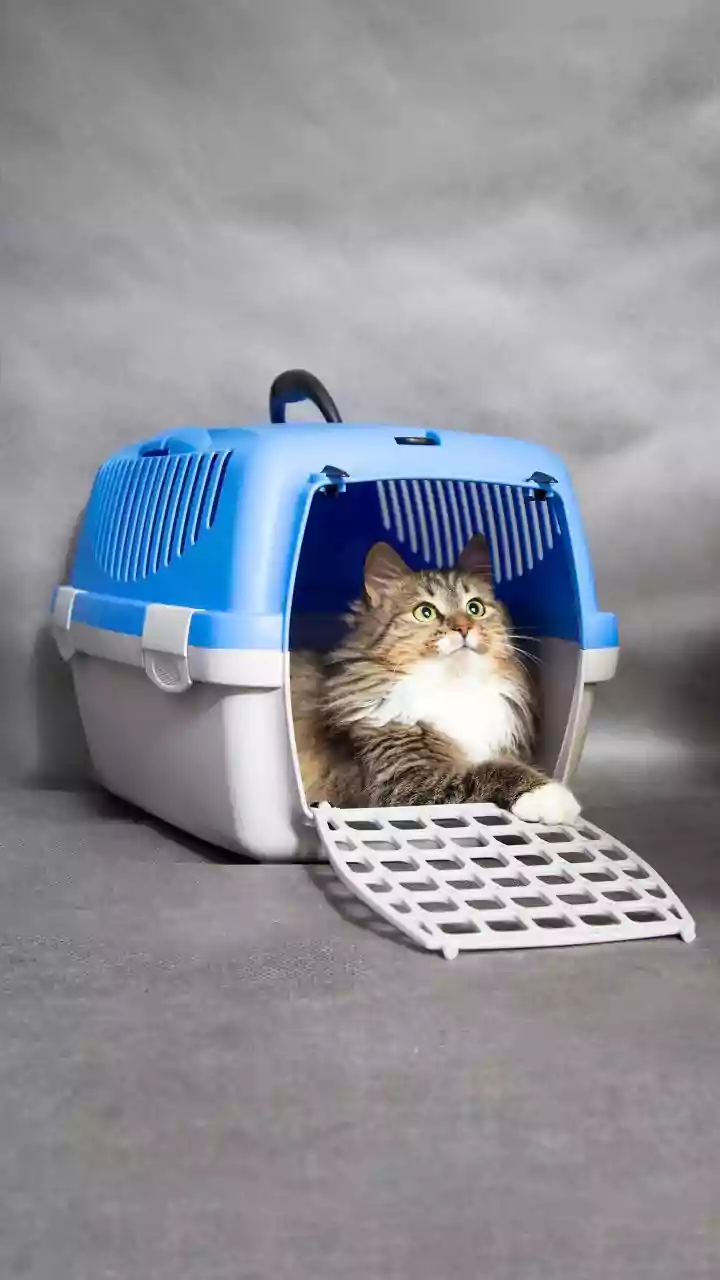
The single-room method begins with complete separation. Your new cat needs a dedicated sanctuary, like a spare bedroom or a large bathroom, from the moment they arrive. This room must be equipped with everything they need: their own food, water, litter box, a scratching post, and comfortable bedding. This isolation period, which can last from a few days to a few weeks, serves two purposes. First, it allows the new cat to decompress from the stress of moving and acclimate to the new sounds and smells of your home in a contained, secure environment. Second, it allows your resident cat to get used to the idea of another cat’s presence through scent and sound alone, without the immediate threat of a face-to-face confrontation. Do not rush this step; both cats need to be calm before you proceed.
Step 2: The Power of Scent
A cat's sense of smell is their primary tool for communication and identification. They have around 200 million scent sensors in their noses, making scent a critical part of their social lives. This is why the next phase, scent swapping, is so powerful. While the cats are still separated, begin swapping items that carry their individual scents. Take a blanket or soft toy from each cat and place it in the other’s space. You can also use socks to gently rub one cat’s cheeks (where their 'friendly' pheromones are) and leave the sock for the other cat to investigate. This allows them to gather information and get used to each other's smell in a non-threatening way. Associating the new scent with positive things, like treats placed on the scented item, can further smooth the process. This step is about familiarisation, not invasion.
Step 3: Gradual Visual Contact
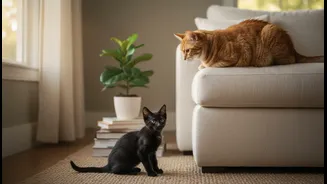
Once both cats are relaxed with each other's scents—showing curiosity rather than hissing at the scented objects—you can allow the first visual contact. This must be brief and controlled. A baby gate or a door propped open just a crack is an excellent tool. Let them see each other for a few moments while doing something enjoyable, like eating a favourite treat on opposite sides of the barrier. The goal is to create a positive association with seeing the other cat. Keep these initial sessions short and sweet. Watch their body language. A little bit of hissing is normal, but if you see signs of intense aggression like growling, flattened ears, or attempts to attack, you’ve moved too fast. End the session on a positive note and go back to scent swapping for a few more days before trying again.
Step 4: Supervised Shared Time
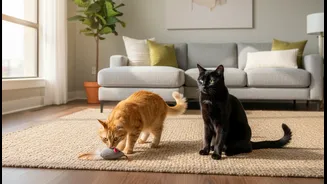
After successful visual introductions, you can begin allowing short, supervised periods of time together in a neutral space. Start by letting the new cat explore the main part of the house while your resident cat is secured in the 'safe room'. This allows the newcomer to spread their scent and become more comfortable. The first full interaction should be in a common area, not in either cat’s core territory. Arm yourself with engaging toys to distract them and facilitate parallel play. Keep the sessions short, ending them before either cat gets overstimulated or agitated. Over weeks, you can gradually increase the duration and frequency of these shared sessions until they can comfortably coexist without constant supervision. Patience is everything; this process respects their natural instincts and builds a foundation for a peaceful relationship.