

The Science of Synergy
The magic behind this food combination lies in the interaction between Vitamin C and a specific type of iron. Foods contain two kinds of iron: heme, found in animal products, and non-heme, found in plants. Our bodies absorb heme iron quite easily, but
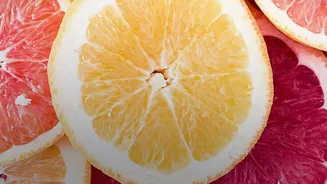
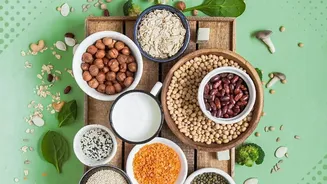
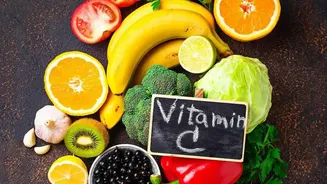
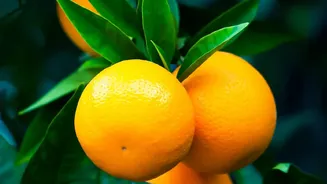
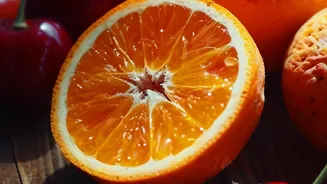
non-heme iron from sources like lentils, beans, and spinach is much trickier to absorb. This is partly due to compounds in plants called antinutrients, such as phytates and tannins, which can bind to minerals and prevent them from being used by the body. This is where citrus comes in. The ascorbic acid, or Vitamin C, in foods like lemons, oranges, and grapefruits acts as a key. It helps convert the plant-based iron from its less absorbable form (ferric) into a more soluble and usable form (ferrous), making it much easier for your intestines to take in. Essentially, Vitamin C protects the iron from the inhibitors and unlocks its full potential.
Why Better Iron Absorption Matters
Iron is a vital mineral that plays a crucial role in your overall health and energy levels. It is a primary component of hemoglobin, the protein in red blood cells responsible for carrying oxygen from your lungs to the rest of your body. Without enough iron, you can develop iron deficiency, which may lead to fatigue, weakness, and shortness of breath. For individuals who rely heavily on plant-based foods, ensuring adequate iron absorption is especially important for maintaining energy, supporting growth and development, and overall vitality. By making the iron in your meals more bioavailable, this simple dietary strategy helps your body get more of what it needs to function optimally, keeping you feeling energized and healthy.
Your Guide to Perfect Pairings
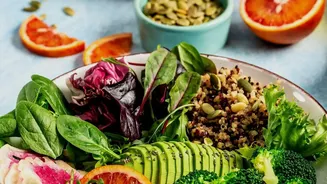
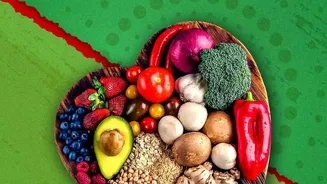
Incorporating this nutritional strategy into your daily meals is both easy and delicious. The key is to consume the source of Vitamin C in the same meal as your plant-based protein. The possibilities are endless and allow for plenty of culinary creativity. You can start with simple additions, like squeezing fresh lemon juice over a warm lentil soup or a black bean salad. For a vibrant and nutrient-packed meal, try a spinach salad with orange segments and a citrus vinaigrette. When making a stir-fry with tofu or edamame, add bell peppers (another excellent source of Vitamin C) and a sauce made with orange or lime juice. Even your snacks can get a boost; consider dipping red bell pepper slices in hummus. Finishing a chickpea curry with a generous squeeze of lime not only brightens the flavor but also enhances its nutritional value.
More Than Just Iron
While the headline benefit of the citrus-and-plant-protein combination is dramatically improved iron absorption, the synergy doesn't necessarily stop there. Some research indicates that citrus extracts can also improve the absorption and utilization of protein building blocks, known as amino acids. However, the most well-documented and significant impact remains its effect on non-heme iron. It's also worth noting that many of the same compounds in plants that inhibit iron absorption, like phytates and oxalates, can also reduce the absorption of other minerals such as zinc and calcium. While Vitamin C is a powerful tool against iron inhibitors, it's also wise to be mindful of other factors. For instance, the tannins found in coffee and tea can also hinder iron absorption. For this reason, it is best to enjoy your coffee or tea between meals rather than with your iron-rich plant-based foods to maximize mineral uptake.