








What Are Smart Window Films?
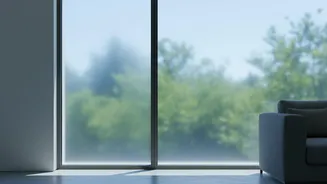
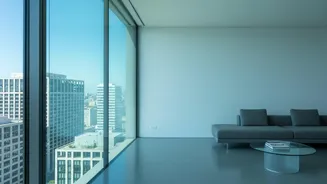
Smart window films, also known as solar control films, are thin, multi-layered polyester laminates applied directly to the surface of your existing windows. Unlike a simple dark tint that just blocks light, these advanced films are engineered to be selective.
Their primary job is to target and block specific types of solar radiation, particularly infrared rays, which are responsible for the heat you feel, and ultraviolet (UV) rays, which cause fading and skin damage. The technology acts like a transparent shield, letting most of the visible light pass through while rejecting a significant portion of the sun's heat.
How They Slash Your AC Bills
The science behind the savings is straightforward: reducing solar heat gain. Windows are a major source of heat transfer in a home; the U.S. Department of Energy estimates they can be responsible for up to a third of a building's cooling load. By blocking as much as 79% of solar heat from entering through the glass, these films prevent your home from heating up like a greenhouse. This dramatically lessens the burden on your air conditioning unit. Your AC doesn't have to run as long or as hard to maintain a comfortable temperature, which directly translates to lower electricity consumption and reduced monthly bills. Studies and manufacturers report that these films can cut cooling costs by up to 30%.
The Different Types Available
Not all films are created equal. The most effective types for heat reduction are spectrally selective and ceramic films. Spectrally selective films are engineered to filter out infrared heat and UV rays while allowing high levels of visible light to pass through. Ceramic films embed nano-ceramic particles to absorb and reflect heat without a metallic or mirrored appearance, offering excellent performance with great clarity. Other options include dyed films, which absorb heat, and metallized films, which reflect it but can have a shiny look. For those seeking privacy, switchable PDLC (Polymer Dispersed Liquid Crystal) films can turn from clear to opaque with the flick of a switch, offering some heat rejection in their frosted state.
Real Costs vs. Potential Savings
The upfront cost of window film in India can vary widely based on the technology and brand. Prices can range from ₹40 to over ₹300 per square foot, including installation. While premium ceramic or spectrally selective films from brands like 3M command a higher price, they also offer the best heat rejection and durability. Though the initial investment might seem significant, it's important to view it in the context of long-term savings. With potential energy savings of 5% to 15% on annual electricity bills, the payback period for this investment can be as short as three years in some cases. The most effective films save more energy per rupee spent than other common retrofits like adding attic insulation or replacing an AC unit.
More Than Just Monetary Savings
The advantages of window films extend beyond your electricity bill. One of the most significant benefits is the blocking of up to 99% of harmful UV radiation. This powerful UV shield protects your skin from damage and dramatically slows the fading of furniture, curtains, flooring, and artwork, preserving your valuable interiors. Furthermore, the films reduce uncomfortable glare on screens and improve overall comfort by eliminating hot spots near windows, creating a more pleasant and consistent indoor environment year-round.