




Decoding the Gut-Brain Axis
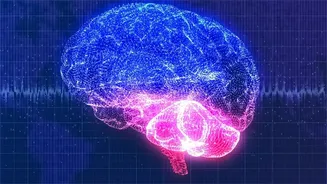
Think of the gut-brain axis as a two-way communication highway connecting your brain and your gut. This intricate network involves the central nervous system (your brain and spinal cord) and the enteric nervous system, which is often called the 'second
brain' because it's embedded in your gut wall. They constantly send signals back and forth through nerves, hormones, and immune pathways. The vagus nerve is a major player, acting like a direct information line between what's happening in your digestive tract and the emotional and cognitive centres of your brain. This constant dialogue means that what affects your gut can influence your mood, and conversely, your stress levels can impact your digestion.
Your Gut's Role in Mood and Focus
Your gut is home to trillions of microorganisms, collectively known as the gut microbiome. These tiny residents are more than just digestive helpers; they are crucial for your overall well-being. They produce many of the same neurotransmitters that your brain does, including serotonin, often called the 'happiness hormone'. In fact, it's estimated that about 90% of your body's serotonin is made in the gut. When the balance of good and bad bacteria in your gut is disrupted—a state called dysbiosis—it can lead to inflammation and send 'stress signals' to the brain, potentially contributing to feelings of anxiety, low mood, and brain fog.
The Power of Fermentable Fiber
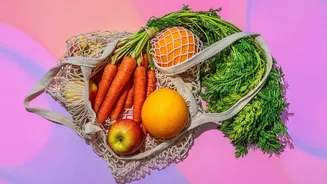
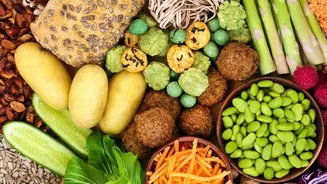
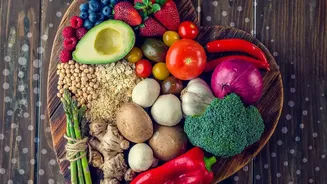
Fiber is a type of carbohydrate that our bodies can't digest, but certain gut bacteria can. Fermentable fibers, also known as prebiotics, act as food for these beneficial microbes. When good bacteria feast on these fibers, they produce compounds called short-chain fatty acids (SCFAs). These SCFAs have numerous benefits, including strengthening the gut barrier, reducing inflammation, and even influencing brain function. Foods rich in fermentable fiber include legumes like lentils and beans, whole grains such as oats and barley, and vegetables like onions, garlic, and carrots. By feeding your good gut bacteria, you help them thrive and, in turn, support the healthy function of your gut-brain axis.
Probiotics: The Friendly Bacteria Boost
Probiotics are live, beneficial bacteria that you can consume through certain foods and supplements. They help restore and maintain a healthy balance in your gut microbiome. Research suggests that consuming probiotics may help boost mood, improve cognitive function, and lower stress and anxiety. Some studies have shown that specific probiotic strains can help reduce anxious behaviour and improve mood by influencing the gut-brain connection. These 'friendly' bacteria can help fortify your gut lining and modulate inflammation, which are key factors in maintaining good mental health.
Indian Foods to Fuel Your Focus
The good news is that many traditional Indian foods are naturally rich in both prebiotics (fermentable fiber) and probiotics. To boost your probiotic intake, look no further than homemade curd (dahi) and buttermilk (chaas), which are staples in many Indian households. Fermented foods like idli and dosa, made from rice and lentil batter, are also excellent sources of probiotics. For fermentable fiber, incorporate plenty of lentils (dal), chickpeas, beans, oats, and barley, onions, and garlic into your meals. Even homemade pickles (the salt-brined kind, not vinegar-based) and kanji, a fermented carrot drink, can contribute to a diverse and healthy gut microbiome.