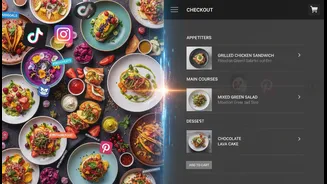







The Allure of the Viral Dish
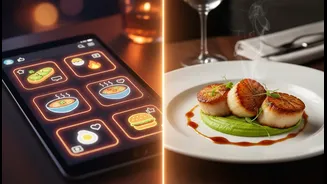
In India's hyper-competitive food and beverage market, social media has become the new kingmaker. Viral food trends, from loaded fusion chaats to Korean-inspired buns, create immediate buzz and can drive significant foot traffic. For many restaurants,
participating in these trends feels less like a choice and more like a necessity to stay relevant, especially when over 78% of Indian diners search for restaurants on social media before visiting. The logic seems simple: if thousands of people are watching videos of a dish, surely they will line up to buy it. This thinking has turned many restaurants into content businesses, designing dishes specifically for their visual appeal and a chance to go viral. The promise is powerful—instant marketing, a surge in new customers, and the perception of being on-trend.
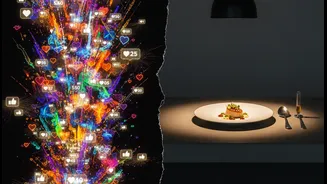
Why Clicks Don't Always Equal Customers
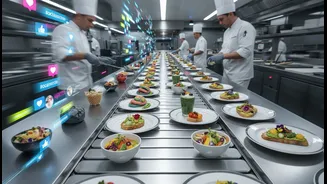
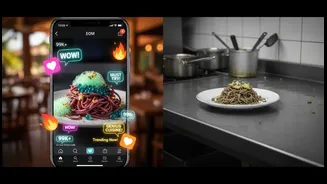
The reality, however, is often more complex. The gap between online engagement and actual, sustained sales is a significant challenge for the Indian restaurant industry. A viral trend is, by its nature, fleeting. A dish can be the talk of the town one week and completely forgotten the next. This rapid lifecycle makes it difficult for restaurants to manage inventory, train staff, and maintain menu consistency. Furthermore, many visually spectacular dishes are designed for the camera, not the palate or operational efficiency. These items can be complex and time-consuming to prepare, disrupting kitchen workflows and increasing the risk of food waste when the initial hype dies down. The customer who comes in for a one-time viral novelty item may not convert into a loyal, repeat diner who appreciates the core menu.
The Hidden Costs of a Trendy Menu
Jumping on every trend without a strategy can quietly drain resources. The costs are not just financial; they are operational and reputational. Sourcing unique or non-standard ingredients for a short-lived trend can be expensive and logistically difficult, especially for larger chains. Staff must be retrained, which takes time away from perfecting the core offerings. If a trendy dish fails to meet the expectations set by a polished Instagram reel, it can lead to customer disappointment and negative reviews. According to industry experts, about 60% of restaurants fail within the first three years, often due to poor operational planning and inefficient cost management—risks that are amplified by constantly chasing unstable trends. A menu cluttered with fleeting fads can also confuse your brand identity, leaving customers unsure of what your restaurant truly specializes in.
A Smarter Strategy: Test Before You Invest
The solution is not to ignore social media, but to approach it with a clear strategy grounded in data. Before overhauling your menu and supply chain for a new item, the first step is to test the waters. This is a core principle of menu engineering—a practice that combines customer psychology with sales data to build a profitable menu. Instead of assuming a viral trend will work for your specific clientele, you can use low-risk methods to gauge genuine, local demand. This data-driven approach minimises financial risk and ensures that any new addition to your menu has earned its place and is likely to be profitable.
Practical Steps for Demand Testing
Restaurateurs can adopt several effective, low-cost methods to test new dishes. The most popular strategy is launching the item as a 'Limited Time Offer' (LTO) or a weekend special. This creates a sense of urgency and allows you to measure sales performance without a long-term commitment. One Swiggy partner, for instance, saw a 58% increase in orders by using an exclusive LTO. Another method is to offer small tasting portions to regular customers and actively solicit feedback. Using QR codes on tables or receipts to link to quick surveys can provide invaluable qualitative data. Cloud kitchens can perform rapid A/B testing by introducing new dishes on delivery platforms and tracking order velocity and customer ratings to make adjustments in days, not months. Finally, training your staff to talk about the new dish and gather customer reactions is a crucial, often overlooked, feedback channel.