





A Treasure Trove of Nutrients
The milky water left after washing rice is more than just starch. It’s infused with small amounts of essential nutrients that are beneficial for plants. This includes nitrogen, phosphorus, and potassium (NPK), the three macronutrients vital for plant health.
While not as potent as a commercial fertiliser, this gentle dose supports leafy growth and root development. The water also contains B vitamins, such as thiamine and niacin, and trace minerals like magnesium and zinc, all of which contribute to a plant's overall vitality. The primary benefit, however, comes from the starch, which acts as a food source for beneficial microbes in the soil. These microorganisms help break down organic matter, improving soil structure and making nutrients more accessible to the plant's roots.
Plain vs. Fermented: Which Is Better?
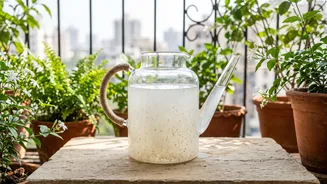
You can use rice water in two ways: fresh or fermented. Fresh rinse water is the easiest option—simply collect the cloudy liquid and use it immediately. It provides a mild boost and is a great starting point. However, fermenting the water unlocks even greater potential. To ferment, let the rice water sit in a loosely covered jar at room temperature for two to five days. It’s ready when it develops a slightly sour smell. This process cultivates beneficial bacteria, such as lactobacillus, which can suppress harmful pathogens and significantly increase the concentration of available nutrients. Studies have shown fermentation can boost nutrient levels, making them more bioavailable for plants to absorb. This acidic nature of fermented water is especially beneficial for acid-loving plants like tomatoes, leafy greens, and azaleas.
How to Prepare and Use Rice Water
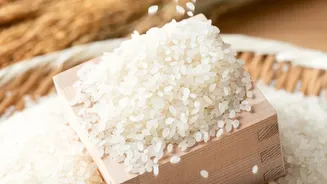
Making rice water is simple. When rinsing uncooked rice, swirl the grains in a bowl of water for a minute or two until the water turns milky. Strain this liquid into a separate container—this is your fresh rice water. For most plants, you can use this fresh water as is, or slightly diluted, about once a week in place of a regular watering. For the more potent fermented version, take this same rinse water and store it in a jar with a loose lid to allow gases to escape. After a few days of fermentation, it becomes more concentrated. Because of its potency, it's crucial to dilute fermented rice water. A good ratio is one part fermented water to at least five to ten parts plain water before applying it to your soil. Use this diluted fermented solution less frequently, perhaps every two weeks, to avoid overwhelming your plants.
Key Precautions for Happy Plants
While rice water is a fantastic natural supplement, a few precautions are necessary. First and foremost, never use water from rice that has been salted or seasoned, as salt can severely damage plant roots. It’s also important not to overdo it. Using rice water too frequently can lead to a starchy buildup on the soil surface, which may harden and prevent oxygen from reaching the roots. This starchy environment can also attract pests like fungus gnats or lead to mould growth, especially with indoor plants. If you notice any mould or an unpleasant smell from the soil, it's a sign to cut back. Rice water should be considered a supplement, not a replacement for a balanced fertiliser, especially for plants that are heavy feeders. Also, be mindful that some plants, like succulents and cacti that prefer dry conditions, may not respond well to the extra moisture and starch.