







The Philosophy of 'Grounding'
At its core, barefoot running is about more than just saving money on shoes. It’s a movement rooted in the idea of reconnecting with our natural biomechanics. Proponents argue that modern running shoes, with their thick, cushioned soles, have made our feet
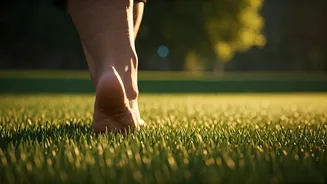
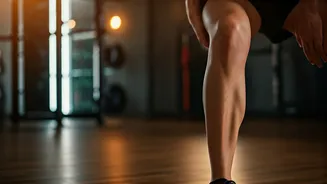
'lazy'. They believe these shoes encourage a 'heel-strike' gait, where the heel hits the ground first, sending a jarring impact up through our joints. In contrast, running barefoot naturally encourages a 'forefoot' or 'mid-foot' strike. This gentler landing is said to distribute impact more evenly, engage different muscle groups, and improve our proprioception—our body's innate sense of its position in space. Think of it as re-learning to run the way our ancestors did, with the ground itself providing constant feedback.
Potential Benefits of Barefoot Running
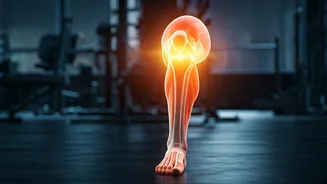
The claims backing barefoot running are compelling. The most significant benefit cited by followers is the strengthening of the intricate muscles, tendons, and ligaments in the feet and lower legs. Over time, this can lead to improved balance, more stable ankles, and potentially a lower risk of certain injuries like shin splints. By forcing a change in running form away from the harsh heel-strike, it can also alleviate stress on the knees and hips. Many barefoot runners also report a more mindful, meditative experience. Without the barrier of a shoe, you are forced to pay closer attention to the surface you’re on, turning your run from a repetitive workout into an engaged, sensory experience.
A Reality Check for Indian Conditions
Before you toss your trainers and hit the pavement, it's crucial to consider the environment. For most of us in India, running surfaces are far from pristine. City pavements can be scorching hot, littered with sharp debris like glass, stones, or metal, and pose significant hygiene risks. Even dedicated parks or running tracks can have uneven surfaces and hidden hazards. The idea of running barefoot on a clean, soft beach is idyllic; the reality of a busy city street is very different. Starting too fast or on the wrong surface is a recipe for cuts, infections, puncture wounds, and even stress fractures in feet that are unaccustomed to the impact.
How to Start Safely: A Beginner’s Guide
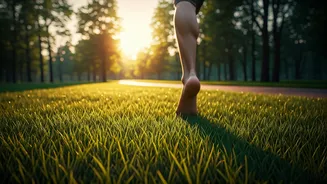
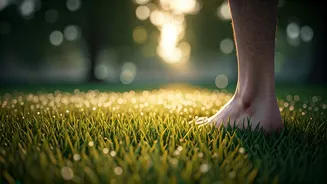
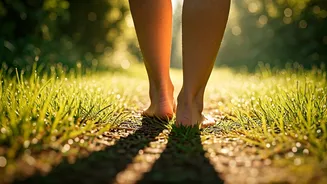
If you're curious to try, the key is to approach it with caution and patience. Your feet need time to adapt. 1. **Start Small:** Begin by walking barefoot on safe, soft surfaces like a clean lawn or a sandy beach for 10-15 minutes a day. This helps your soles toughen up. 2. **Short and Slow Runs:** Once comfortable, try a very short run (just 5-10 minutes) on that same soft surface. Focus on landing lightly on the mid-foot. 3. **Listen to Your Body:** Expect some soreness in your calves and feet; this is normal as new muscles engage. However, sharp pain is a signal to stop immediately. Never push through pain. 4. **Increase Gradually:** Follow the 10% rule. Do not increase your distance or time by more than 10% per week. It can take months, not weeks, to build up to a significant barefoot run.
The Minimalist Shoe Compromise
For many, the risks of going fully barefoot are too high. This is where minimalist shoes come in. These shoes are designed to mimic the barefoot experience while offering a thin layer of protection. They typically have a 'zero-drop' sole (meaning your heel and forefoot are at the same level), a wide toe box that allows your toes to splay naturally, and very little cushioning. Minimalist shoes can be an excellent transition tool, allowing your feet to strengthen and your form to adapt without exposing you to the immediate dangers of sharp objects and dirty surfaces. They offer a practical middle ground for runners who want the biomechanical benefits without the full-contact risks.