




The Rise of a Kitchen Remedy
Scroll through any wellness-focused Instagram feed or listen to conversations among millennials and Gen Z, and you'll notice a pattern. When conversations turn to indigestion, bloating, or that uncomfortable gassy feeling, the advice is less likely to be
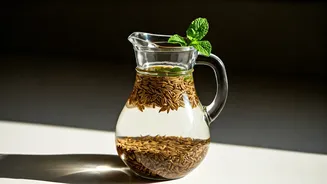
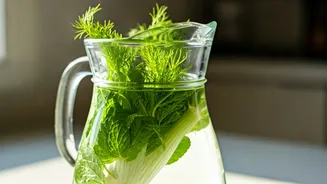
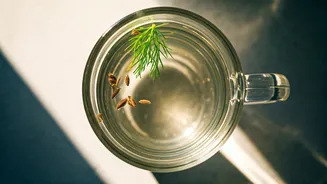
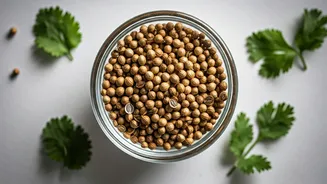
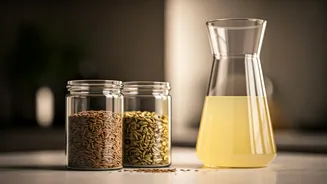
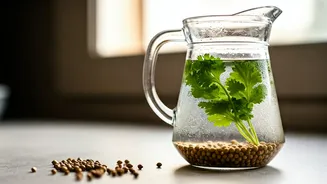
“pop an antacid” and more likely to be “have some jeera-saunf pani.” This simple concoction, made by boiling cumin (jeera) and fennel (saunf) seeds in water, has moved from a remedy our grandmothers swore by to a trendy wellness staple. It represents a conscious choice to embrace natural, preventative solutions over quick, reactive fixes. For many young Indians, this isn't just a health hack; it's a reclamation of traditional wisdom in a world saturated with pharmaceuticals.
Why Cumin and Fennel?
The power of this duo isn't just folklore. Both cumin and fennel have been cornerstones of Ayurvedic medicine for centuries, prized for their digestive properties. Cumin seeds contain compounds like thymol, which stimulate the secretion of digestive enzymes, acids, and bile, facilitating more efficient food breakdown. This helps prevent the fermentation of food in the gut, a common cause of gas and bloating. Fennel seeds, on the other hand, are renowned for their carminative properties. They contain anethole, an organic compound that helps relax the smooth muscles of the digestive tract, allowing trapped gas to be expelled. It essentially calms stomach cramps and reduces bloating. When combined, they create a gentle yet effective tonic that not only relieves discomfort but also supports overall gut health.
What About Gas Pills?
Over-the-counter (OTC) gas pills, often containing simethicone or various antacids, are designed for one thing: rapid relief. Simethicone works by breaking up gas bubbles in the stomach and intestines, making them easier to pass. Antacids work by neutralizing stomach acid, which can provide relief from heartburn and indigestion. They are undeniably effective and convenient, offering a quick fix for acute symptoms after a particularly heavy meal. However, their purpose is primarily symptomatic relief, not addressing the root cause of poor digestion. While generally safe for occasional use, relying on them habitually can sometimes mask underlying digestive issues. Moreover, some people experience side effects or find that their effectiveness wanes with frequent use, prompting a search for more sustainable alternatives.
The Modern vs. The Traditional
The choice between cumin fennel water and a gas pill highlights a fundamental difference in wellness philosophies. Gas pills offer a targeted, fast-acting solution to an immediate problem. They are the 'firefighters' of digestion. Cumin fennel water, in contrast, represents a holistic, preventative approach. It's seen as a daily ritual that promotes better digestion in the long run, rather than just treating a symptom when it flares up. This 'gardener' approach resonates with a younger generation that is increasingly interested in gut health, clean ingredients, and understanding the 'why' behind their body's signals. The cost is also a factor; a jar of seeds is significantly more economical than continuously buying strips of pills. The decision often comes down to context: a pill might be practical for an unexpected emergency, but the daily water is for building digestive resilience.
More Than Just Digestion
This trend is part of a larger cultural movement. Young adults in India are driving a 'back to basics' renaissance, finding value in practices that are sustainable, natural, and rooted in their own heritage. From cold-pressed coconut oil and turmeric lattes to yoga and meditation, there's a growing appreciation for wisdom that has stood the test of time. Choosing jeera-saunf pani over a pill is a small act of this larger rebellion against a hyper-processed, quick-fix culture. It’s about trusting the kitchen pharmacy and feeling connected to a simpler, more mindful way of living. It’s a statement that says, “I’d rather nurture my body daily than just patch it up when it breaks.” This shift signifies a deeper desire for health autonomy and a rejection of the idea that a modern problem always requires a modern, chemical solution.