


From Poses to Personalities
The evolution of fashion on social media has been rapid. A decade ago, influence was built on polished, magazine-style photos. Today, the landscape is dominated by video, personality, and narrative. [10, 21] Platforms like Instagram and TikTok have shifted
the focus from just the clothes to the person wearing them. [11] Creators are no longer just models; they are producers, directors, and the stars of their own mini-shows. This has moved fashion from an elite, top-down industry to a more democratized and accessible form of cultural expression. [3, 24] The most successful creators have built loyal communities who tune in not just for style tips, but for a connection. [6]
The New Formats of Fashion
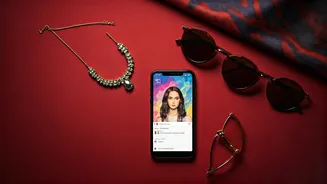
Several key formats have emerged, turning the mundane into engaging content. The most prominent is the 'Get Ready With Me' (GRWM) video, where creators share their entire process of selecting an outfit, doing their makeup, and preparing for an event, all while telling a personal story. [2, 4, 14] This format fosters a sense of intimacy and authenticity, making viewers feel like they're hanging out with a friend. [6] Other popular formats include haul videos, which have turned unboxing into a spectacle, and styling challenges, where creators showcase their creativity by putting together outfits based on specific themes or constraints. [14, 23]
When Comedy Meets Couture
A significant trend driving this shift is the fusion of fashion with comedy. Indian creators like Dolly Singh and Kusha Kapila initially gained fame for their humorous and relatable skits, often portraying characters that poke fun at societal quirks. [9, 19, 25] They have successfully integrated fashion into their content, making it less intimidating and more enjoyable for a broader audience. [17, 22] By blending style with entertainment, these creators deliver high-recall content for brands and build a strong, engaged following that appreciates both the humour and the fashion. [17] This approach has proven that a sense of humour can be the most stylish accessory of all.
The Main Character Effect
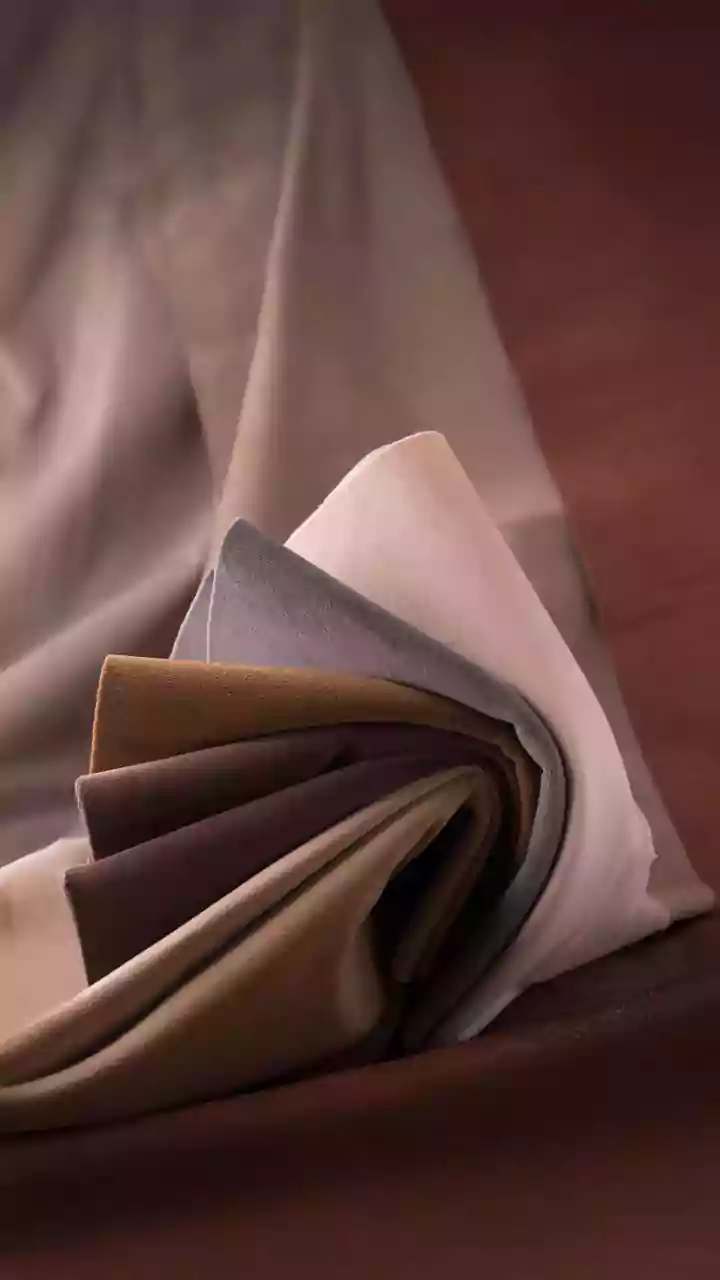
This new wave of content taps into a powerful psychological need: storytelling. Creators position themselves as the main characters in their own lives, and their audience gets to follow along. [14] Each GRWM is a new episode, each outfit a costume choice that defines a scene. This narrative-driven approach is far more compelling than a simple lookbook. It has also given rise to countless 'aesthetics' and micro-trends online, from 'mob wife' to 'quiet luxury,' allowing viewers to adopt and discard style identities like characters in a play. [13, 16] In India, this has also led to a resurgence of interest in local textiles and Indo-Western fusion, as creators showcase these styles to a global audience. [3, 12]
A New Playbook for Brands and Audiences
This transformation has completely upended the traditional fashion industry. [24] Brands are no longer just looking for pretty faces; they're looking for compelling storytellers who can authentically integrate products into their daily lives and narratives. [4, 20] For Indian creators, this has opened doors to global stages like the Cannes Film Festival and major fashion weeks, turning them into international ambassadors for Indian style and craftsmanship. [15, 18] For audiences, the benefit is twofold: they get entertaining content and a more relatable, accessible entry point into the world of fashion. [29] It's no longer about passively consuming trends from a magazine; it's about actively participating in a global style conversation. [8, 21]