



A Sweet Reinvention
For generations, mithai has been the language of emotion in India—a symbol of celebration, gratitude, and connection. But today, a sweet revolution is underway. A new wave of 'artisanal mithaiwalas' is transforming the industry, moving it beyond a seasonal,
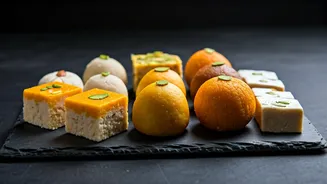
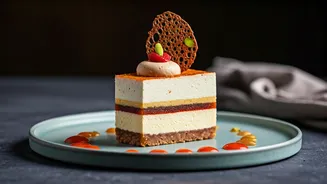
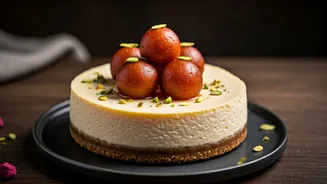
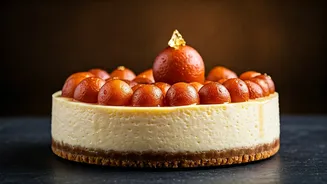
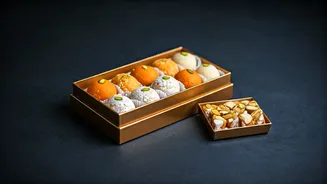
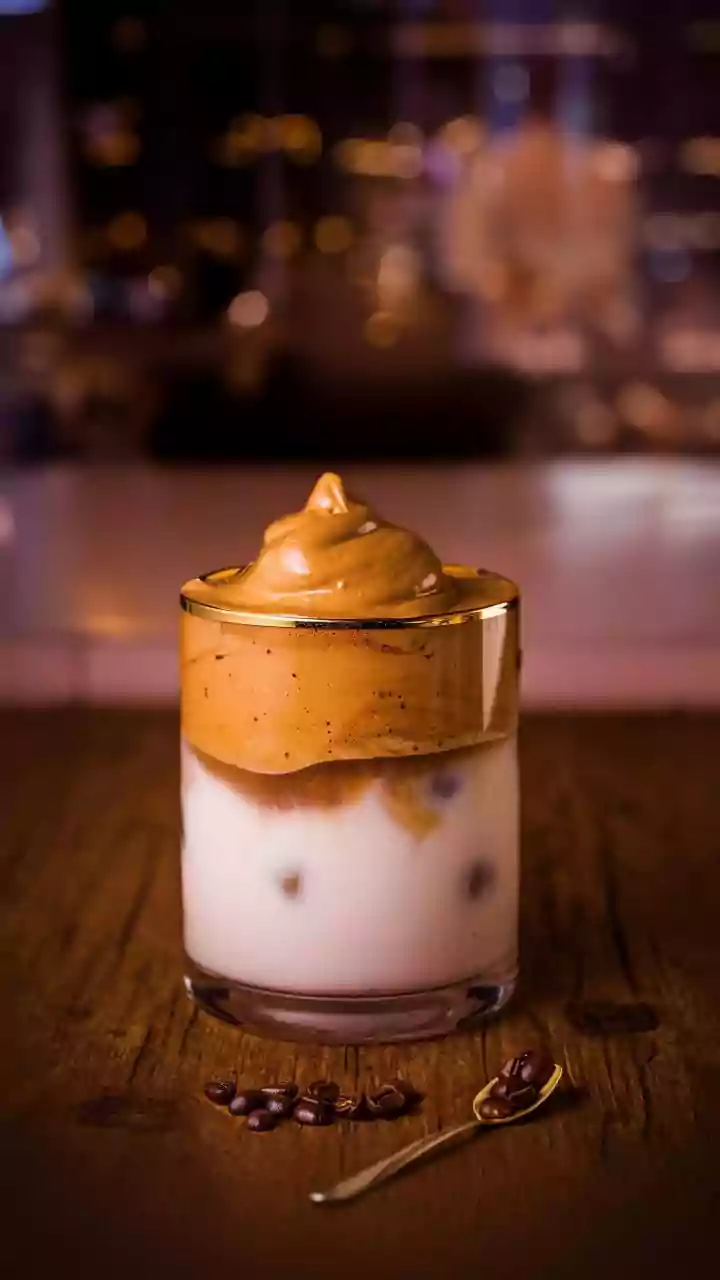
festival-based purchase into a year-round, premium indulgence. This isn't just about taste; it's a complete rebranding. These boutique brands are focusing on high-quality, authentic ingredients, masterful craftsmanship, and innovative flavours that blend nostalgia with novelty. Think less about mass-produced ladoos and more about small-batch, handcrafted creations like coffee-infused rasgulla, saffron and edible gold-topped barfi, or even bubblegum-flavoured kaju barfi. The result is a product that is as visually stunning as it is delicious, often presented in elegantly designed gift boxes that rival luxury chocolates.
What's Driving the Premium Shift?
This evolution is being shaped by a new generation of Indian consumers who are more aspirational, globally exposed, and health-conscious. Today's buyers pay closer attention to ingredient quality, sourcing, and hygiene standards. There is a growing demand for sweets with balanced sweetness, cleaner ingredients, and even sugar-free or natural sweetener options like jaggery, honey, or dates. Brands like Gur Chini have built their identity around using natural sweeteners like Stevia, catering directly to this health-aware audience. Furthermore, the culture of gifting has evolved. Mithai now competes with international confectionery, and consumers want a product that feels modern, reliable, and presentable. This premiumisation reflects a willingness among India's growing affluent class to pay more for authenticity, craftsmanship, and an elevated experience.
The New Faces of Mithai
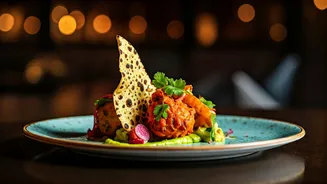
At the forefront of this movement are innovative brands that are reinterpreting tradition for a modern palate. Mumbai's Bombay Sweet Shop, for example, is known for infusing classic recipes with a sense of playfulness, creating items like Gulab Jamun Churros and Hazelnut Besan Barfi. Others, like Khoya and Misree in Delhi, blend time-honoured techniques with Western pastry flavours to create a luxe offering. This isn't about abandoning tradition but celebrating it. Many of these new-age makers are reviving forgotten recipes and sourcing premium, local ingredients to ensure their flavours are both exquisite and sustainable. The goal is to make traditional sweets relevant in a fast-paced, interconnected world, turning them into a premium cultural product.
From Local to Global Phenomenon
The rise of the packaged sweets market, which is projected to grow at a compound annual growth rate of over 15% between 2026 and 2034, is a testament to this structural shift. The market size was valued at over INR 8,400 Crore in 2025 and is expected to reach over INR 30,500 Crore by 2034. Technology and modern logistics have been key enablers. E-commerce platforms and quick-commerce services have made it easier than ever to order premium mithai from anywhere, at any time. Brands are now able to ship their products nationwide and even internationally, using sophisticated packaging like Modified Atmosphere Packaging (MAP) to maintain freshness without compromising on taste or texture. This expanded accessibility is helping Indian sweets find a new audience, not just among the diaspora but also with global consumers curious about new flavours.