


The Philippines offers breathtaking scenery, but Instagram feeds don't show the full picture. Before you book a flight to a world-famous beach, it helps to know what to really expect when you get there. Here's a look at the trade-offs.
Boracay: Paradise Rehabilitated, But Still Crowded
The Expectation:
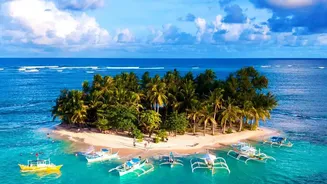
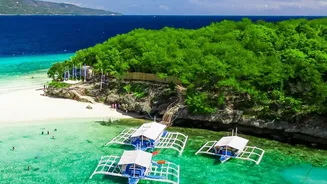
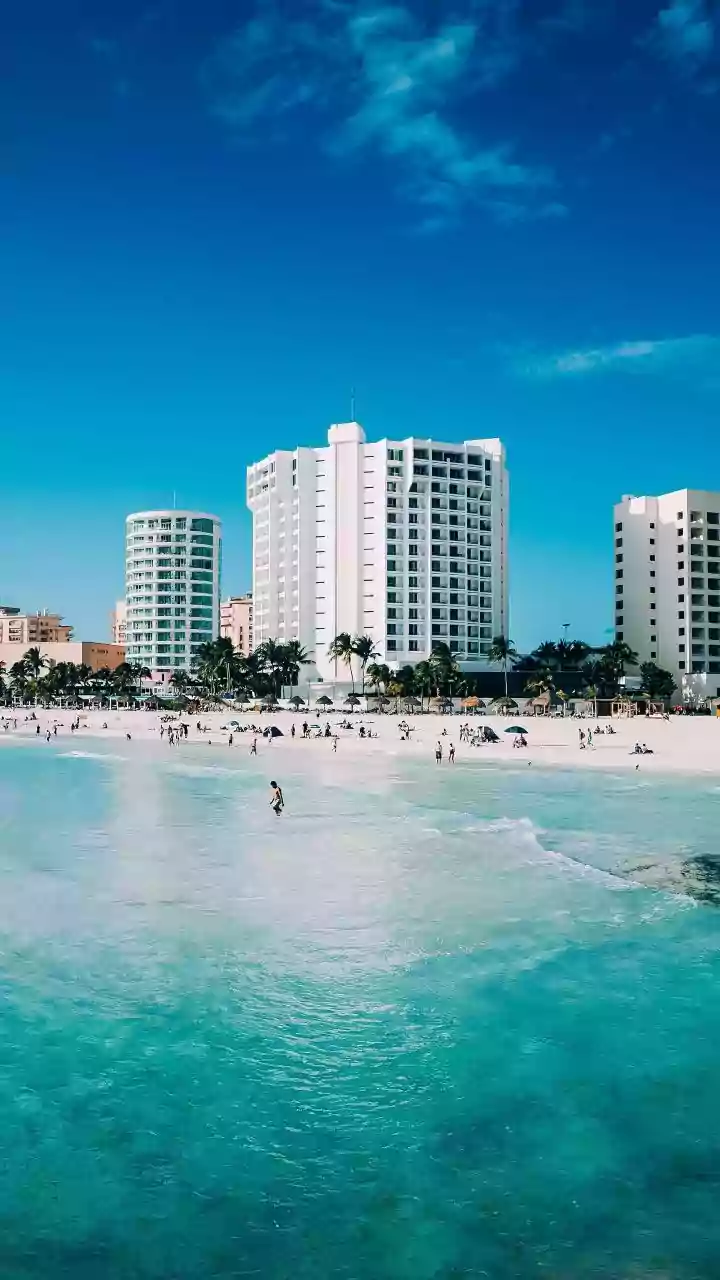
You've seen the photos of Boracay's White Beach — miles of powdery white sand, crystal-clear turquoise water, and a serene, tropical vibe. Following a major six-month environmental rehabilitation in 2018, the island was supposed to be a reset paradise. The Reality: The cleanup was a success in many ways; the water is cleaner and the beachfront is more organised. However, the island's fame is a double-edged sword. Boracay has become incredibly popular, especially with local tourists, and can feel intensely crowded. While new rules have curbed the wildest beach parties, the atmosphere can still feel more like a busy hub than a tranquil escape, with endless vendors and a constant swarm of people. The days of finding a quiet patch of sand to yourself on the main beach are largely a thing of the past. The Trade-Off: If you want the classic Boracay experience, you have to accept the crowds as part of it. To find peace, explore the island's less-famous beaches like Diniwid Beach or Puka Beach. Visiting during the shoulder season, rather than peak holidays, can also offer a slightly more relaxed experience.
El Nido, Palawan: Stunning Lagoons, Shared with Hundreds
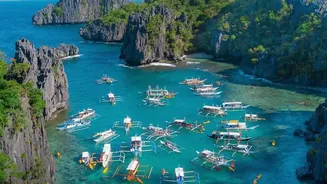
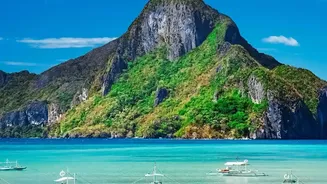
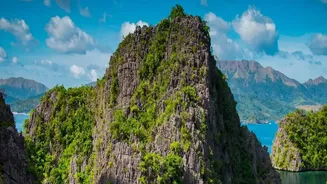
The Expectation: El Nido is the gateway to Palawan's otherworldly landscapes. The dream is to kayak through hidden lagoons with towering limestone cliffs, snorkel in vibrant coral gardens, and feel like you've discovered an untouched frontier, just like in the movie 'The Beach'. The Reality: El Nido's beauty is undeniable, but it is no longer a secret. The iconic island-hopping tours that take you to the Big Lagoon, Small Lagoon, and Secret Beach are now highly organized and often packed. You'll likely be on a boat with 20 other people, jockeying for photo opportunities alongside dozens of other boats. This tourism boom has led to significant environmental strain, including water contamination and damage to coral reefs from boat anchors. While the scenery is still breathtaking, the experience can feel less like a solitary adventure and more like a carefully managed, and crowded, excursion. The Trade-Off: The views are worth it, but managing expectations is crucial. Consider booking a private tour to have more control over your schedule, potentially visiting popular spots at off-peak times. Alternatively, explore less-trafficked areas of Palawan like Port Barton or San Vicente, which offer a similar natural beauty with a fraction of the crowds.
Banaue Rice Terraces: An Ancient Wonder Meets Modern Commerce
The Expectation: Often called the 'Eighth Wonder of the World', the 2,000-year-old Banaue Rice Terraces are envisioned as a majestic, emerald-green staircase climbing to the heavens. You imagine a quiet, contemplative trek through a living cultural landscape, connecting with ancient history. The Reality: While the terraces are an incredible feat of engineering, the experience can be hampered by commercialization. The main viewpoints near Banaue town can be crowded with souvenir stalls and tourists. To truly appreciate the scale and beauty, you need to trek further to villages like Batad or Hapao, which requires time and physical effort. Furthermore, the iconic green look is seasonal; visit at the wrong time of year, and the terraces might be brown and muddy, which can be underwhelming for some visitors. The Trade-Off: The Banaue Rice Terraces are a cultural treasure, not just a viewpoint. To get the best experience, invest in a multi-day trek with a local guide to get away from the main tourist areas and immerse yourself in the Ifugao culture. Plan your visit between April–May or October–November to see the terraces at their greenest.
Chocolate Hills, Bohol : A Curious Landscape
The Expectation : The Chocolate Hills are a unique geological formation of over 1 ,200 perfectly conical hills that turn a rich brown during the dry season , hence the name . You expect to be awed by this strange and wonderful natural wonder . The Reality : The main viewing deck offers a great panorama , but for some , it can feel a bit underwhelming . After taking in the view and snapping a photo , there isn't much else to do at the primary tourist complex . The 'chocolate ' colour is also seasonal ; during the rainy season , the hills are green . While fascinating , the experience can feel distant , as you are looking at them from an observation point rather than interacting with the landscape itself . However , the province is developing other attractions , including a growing craft chocolate scene , to offer a richer experience . The Trade–Off : Think of the Chocolate Hills as one great stop on a larger Bohol adventure , rather than the entire destination itself . Combine your visit with a trip to see the tarsiers , explore the Loboc River , and now , even participate in a 'bean–to–bar ' chocolate–making workshop to understand the island 's other famous 'chocolate ' .