


A New Compass for Cultural Travel
Moving beyond star ratings and online reviews, a new report is reframing how we understand Indian travel habits. Skyscanner's 'India Culture Travel Index', released in late July 2026, provides a fascinating look into the motivations of the country's explorers.
The findings are clear: Indians are increasingly seeking deeper, more authentic experiences. According to the report, a remarkable 67% of travellers now plan their trips around heritage, festivals, and food. This signals a major evolution from traditional sightseeing towards immersive journeys that connect travellers with the soul of a place. The index suggests that for a growing number of people, the 'why' of travel is becoming as important as the 'where'.
From Monuments to Menus
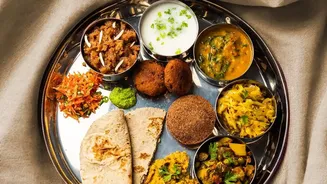
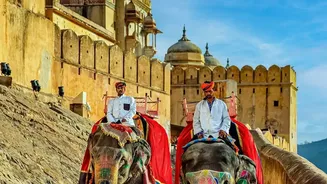
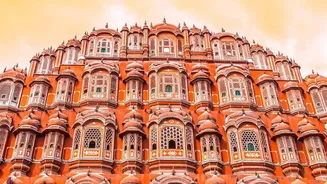
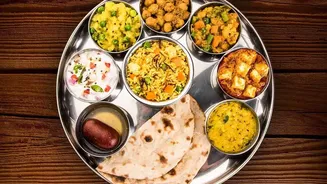
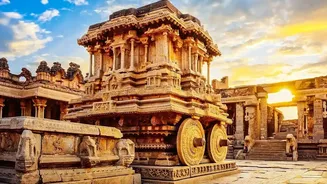
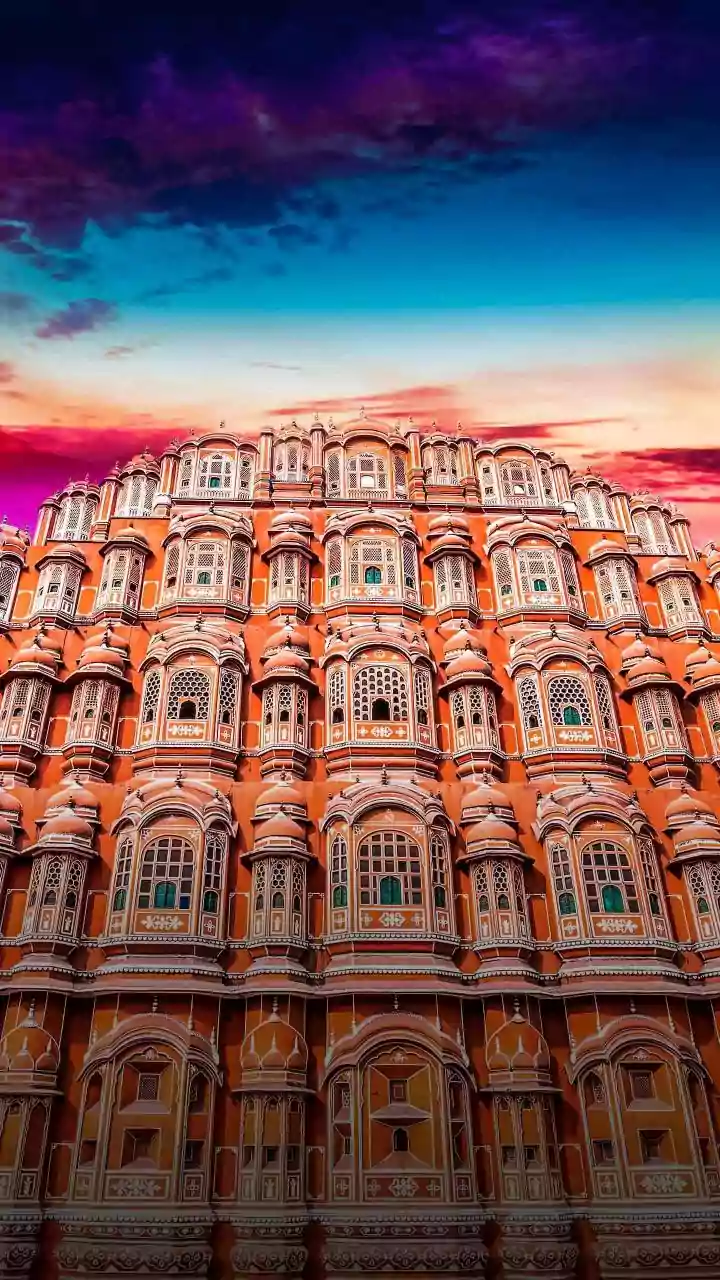
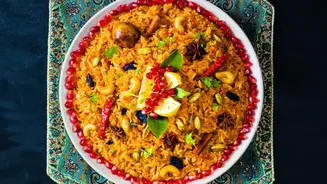
While heritage remains a powerful draw, with 47% of travellers planning trips around historical sites, the most dynamic shift is happening on our plates. The report highlights that regional food experiences are a top reason for travel, with 43% of Indians saying they would plan an entire holiday around them. This trend reflects a growing appetite for experiences that are not just seen but also tasted and felt. Food provides a direct, delicious link to a destination's history, agriculture, and way of life. It has become a new language for understanding the diverse context of India's states and cities, turning every meal into a cultural lesson.
The Rise of the Culinary Itinerary
The data shows that for many, the culinary journey is the destination itself. Other reports echo this sentiment, with some studies indicating that nearly 40% of travellers identify food as a major factor in planning their holidays. This goes far beyond simply finding a good restaurant. The modern culinary traveller is interested in the entire food ecosystem. This includes taking food walks through old city lanes, joining cooking classes to learn family recipes, and visiting local markets to connect with producers. This trend, sometimes called “trolley tourism,” sees travellers exploring supermarkets and food stalls with the same enthusiasm once reserved for museums.
A Nation of Infinite Flavours
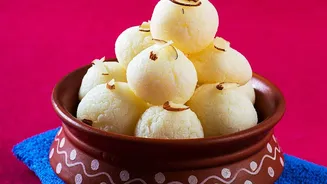
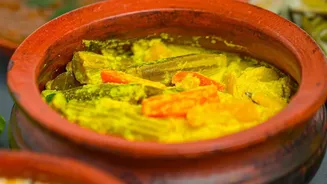
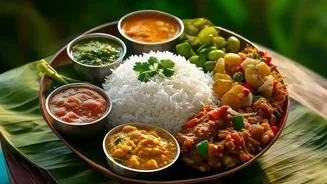
India's unparalleled diversity is its greatest asset in this new age of travel. Moving from one region to another can feel like entering a new country, culinarily speaking. A food-focused trip offers endless possibilities. One could explore the rich, wheat-based cuisine of the North, defined by tandoori cooking and creamy gravies in Punjab and Delhi. In contrast, a journey through the South reveals a lighter, rice-based world of dosas, idlis, and tangy sambar, where coconut and seafood dominate the coastal kitchens of Kerala. A trip to Rajasthan is a taste of desert ingenuity with dishes like Dal Baati Churma, while Bengal offers a refined palette of mustard oil, freshwater fish, and iconic sweets. This regional specificity allows travellers to experience a place's unique identity in a way a monument alone cannot convey.
Who Is the Food-First Traveller?
This movement is being largely driven by younger generations. Travellers in the 28-40 age group are the primary drivers of culinary tourism, but those aged 22-27 are quickly catching up, heavily influenced by the visual storytelling of social media. Platforms like YouTube and Instagram have become powerful discovery tools, with 42% of travellers citing them as a major influence on their interest in culture-led travel. Seeing a food creator explore the chaat of Varanasi or the kebabs of Lucknow makes the experience feel accessible and exciting, inspiring viewers to follow in their footsteps. As planning becomes more sophisticated, many travellers are now booking these culture-focused trips three to six months in advance, treating them as major annual events.