



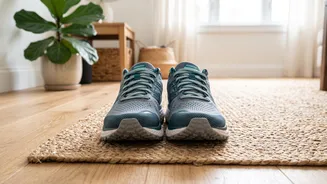

Forget the gym membership and unpredictable weather. Your fitness journey can start right in your living room. At-home walking workouts offer a simple, effective, and free way to stay active and build a consistent fitness routine.
The Power of Walking Indoors
Walking is a powerhouse
of a workout, celebrated for being low-impact yet highly effective. Bringing this exercise indoors removes common barriers like bad weather, safety concerns, or the need for special equipment. It is an accessible starting point for beginners and a reliable option for seasoned fitness enthusiasts. The benefits are significant, ranging from improved heart health and stronger bones to better mood and sleep. Regular indoor walking can help manage weight, lower blood pressure, and reduce the risk of chronic diseases. Best of all, it can be done in short bursts throughout the day, making it easy to fit into a busy schedule.
Getting Started: Your Basic Moves
You don't need a lot of space to get started; an area the size of a yoga mat is often enough. The foundation of any at-home walking workout is marching in place. Stand tall with your core engaged and lift your knees as if you are walking, swinging your opposite arm with your opposite leg to mimic a natural walking motion. Focus on maintaining good posture—shoulders back, chest up, and eyes looking forward. Once you're comfortable with the basic march, you can introduce simple variations to keep things interesting and engage different muscle groups. Try side steps, where you step out to one side and then bring your other foot to meet it, alternating sides. Or, incorporate butt kicks by trying to kick your heels toward your glutes as you march.
Level Up Your Living Room Workout
To increase the intensity and calorie burn, you don't need to move faster; you just need to move bigger. Incorporate more dynamic movements into your routine. High knees, where you bring your knees up toward your waist, are excellent for boosting your heart rate. You can also add arm movements like bicep curls or shoulder presses, with or without light weights, to create a full-body workout. Another effective technique is interval training. Alternate between one minute of brisk, high-energy marching and two minutes of a slower, recovery pace. This method is proven to be highly effective for improving cardiovascular fitness and burning more calories in less time.
A Sample 20-Minute Walking Plan
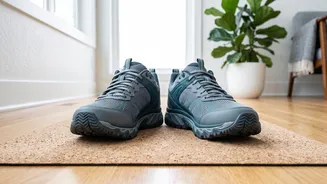
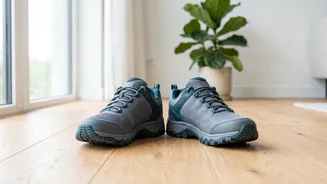
Ready to try it? Here’s a simple 20-minute routine that combines several movements to keep you engaged. Start by putting on some supportive shoes to protect your joints. Minutes 0-3: Warm-up. March in place at a slow, easy pace to get your muscles ready. Minutes 3-6: Brisk March. Pick up the pace. Focus on swinging your arms and marching purposefully. Minutes 6-9: Side Steps & Knee Lifts. Alternate one minute of side-to-side steps with one minute of high-knee lifts. Minutes 9-12: Power March. Return to a brisk march, this time focusing on powerful arm swings and strong leg movements. Minutes 12-15: Active Recovery. Slow down to an easy march. Catch your breath but keep moving. Minutes 15-18: Butt Kicks & Arm Curls. As you march, perform butt kicks and add bicep curls to work your upper body. * Minutes 18-20: Cool-down. Gradually slow your pace back down to a gentle march and finish with a few simple stretches for your legs and arms.
Staying Motivated at Home
The key to consistency is making your workout enjoyable. Create a playlist of your favourite upbeat music or listen to a podcast or audiobook while you walk. Many people find following along with video workouts adds structure and motivation; there are thousands of free walking workouts available online for all fitness levels. Tracking your progress can also be a powerful incentive. Use a fitness tracker or a smartphone app to monitor your steps, or simply make a note on a calendar every time you complete a workout. Seeing how far you’ve come is a great way to inspire you to keep going.