
More than just a dish, saag is a feeling. For many, this vibrant preparation of leafy greens is the ultimate comfort food, evoking warmth, tradition, and a taste of home. But what exactly is it, and what gives it such a special place in Indian meals?
What Exactly is Saag?
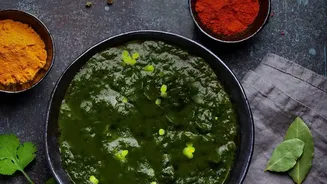
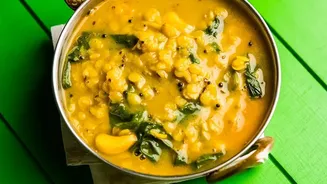
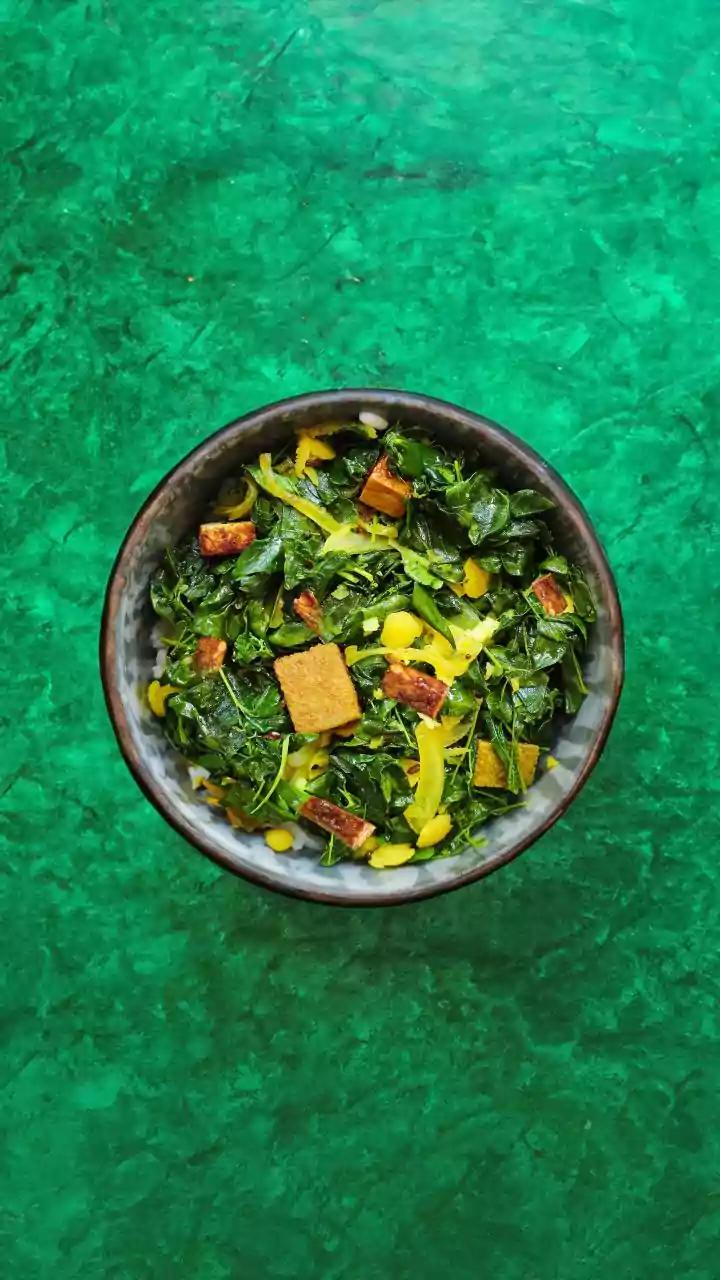
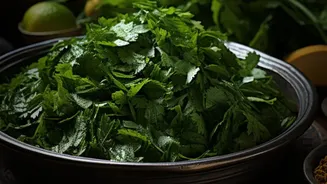
First, it's important to know that 'saag' isn't one single recipe. The word itself is a general term for dishes made from leafy green vegetables like spinach, mustard greens, fenugreek leaves, or collard greens. Originating from the Indian subcontinent, saag refers to a category of slow-cooked, mashed greens, seasoned with aromatic spices like ginger, garlic, and green chillies. While recipes vary across regions and households, the core idea remains the same: transforming humble greens into a creamy, nutrient-dense delicacy. It’s a dish rooted in agricultural life and seasonal cooking, a way to make the most of the abundant greens available in the fields.
The Undisputed Star: Sarson ka Saag
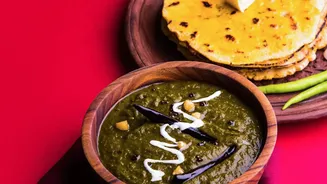
When people talk about saag, they are often referring to its most famous version: Sarson ka Saag. This quintessential dish from the Punjab region is a winter specialty, made when fresh mustard greens (sarson) are at their peak. Traditionally, the peppery bitterness of the mustard leaves is balanced by adding other greens like spinach (palak) and bathua (chenopodium or pigweed). The preparation is an act of patience. The greens are slow-cooked for hours, often in earthenware pots, until they become incredibly tender. They are then mashed and thickened with a little maize flour (makki ka atta) to achieve a rich, velvety texture. This dish is more than just food; it's a symbol of Punjabi agrarian culture, hospitality, and family gatherings during the cold winter months.
A World of Green Variations
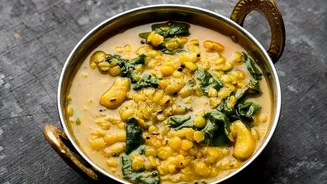
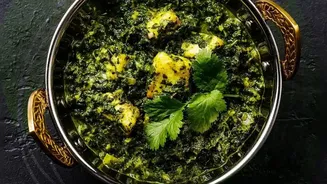
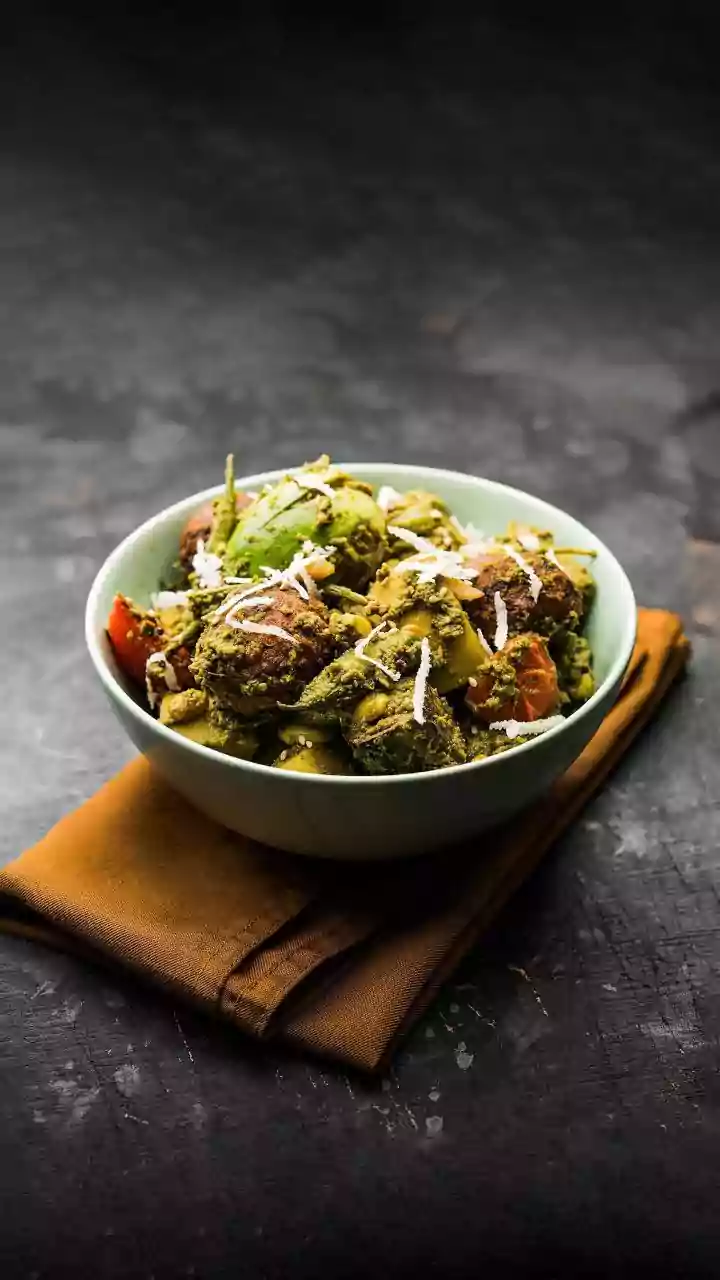
While Sarson ka Saag holds the crown, the world of saag is vast and versatile. Palak Saag, made primarily from spinach, is another popular and widely available version known for its milder flavour and creamy texture. Other variations showcase regional produce and tastes. In Uttarakhand, you might find saag made from stinging nettle leaves (bicchu ghas), which are boiled to remove their sting and are highly nutritious. In Bengal, Helencha Saag (buffalo spinach) is known for its slightly bitter taste and medicinal properties. Amaranth leaves (chaulai), fenugreek leaves (methi), and even radish leaves are used to create different saag preparations across the country, each with a unique flavour profile. Some recipes even incorporate meat, like the Saag Gosht popular in Haryana.
The Anatomy of Comfort
So, what makes saag the ultimate comfort food? It’s a combination of factors. The slow-cooking process itself, often a communal or family activity, infuses the dish with a sense of tradition and care. Nutritionally, it's a powerhouse, rich in vitamins A, C, and K, as well as iron and calcium, providing a feeling of wholesome nourishment. According to Ayurveda, the warming nature of mustard greens makes Sarson ka Saag particularly beneficial in winter, helping to improve circulation and digestion. Its creamy texture and deep, earthy flavour, enhanced by a generous dollop of butter or ghee, create a soothing and satisfying experience that many associate with the nostalgia and safety of home-cooked meals.
How to Best Enjoy Saag
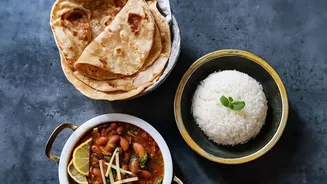
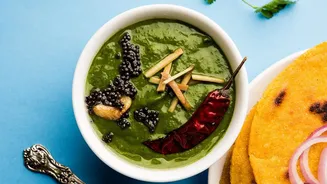
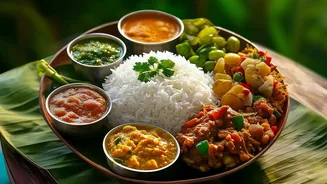
The classic and most beloved pairing for Sarson ka Saag is Makki ki Roti, a rustic flatbread made from maize flour. The slightly sweet, hearty texture of the roti perfectly complements the creamy, spiced greens. A traditional serving almost always includes a generous spoonful of white butter or ghee melting on top of the hot saag. This not only adds richness but also helps the body absorb the fat-soluble vitamins in the greens. To complete the meal, it's often accompanied by a side of jaggery (unrefined cane sugar) or freshly sliced onions, adding a touch of sweetness or a sharp crunch that balances the flavours perfectly.