



Hibiscus: The Tropical Favourite
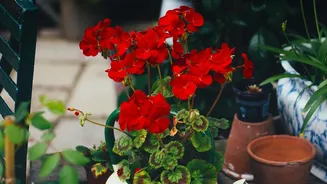
A quintessential flower in Indian homes, the hibiscus truly comes alive during the monsoon. The high humidity and consistent moisture encourage lush foliage and a profusion of large, brilliant blooms in shades of red, pink, yellow, and white. Hibiscus
is surprisingly low-maintenance for such a showy plant. Pot it in well-draining soil to prevent waterlogging, a common monsoon concern. A mix of garden soil, compost, and sand is ideal. Place it in a spot that receives at least four to six hours of sunlight, and the rain will take care of most of the watering. Its ability to flourish in these conditions makes it a top choice for adding a tropical feel to any urban balcony.
Marigold: The Cheerful Protector
Marigolds are one of the hardiest and most cheerful flowers you can grow. Their sunny bursts of orange, yellow, and red are a welcome sight on overcast days. While they love the sun, they are tough enough to handle the rainy season with one key provision: excellent drainage. Ensure your pots have plenty of drainage holes to let excess water escape. Marigolds are not just beautiful; they are also known for their pest-repellent properties, helping to protect other plants on your balcony. They are not fussy about soil and will reward you with continuous blooms, especially if you pinch off the spent flowers to encourage new growth.
Balsam: The Monsoon Specialist
Often called 'Gulmehndi', balsam is considered one of the easiest flowers to grow specifically during the Indian rainy season. It thrives in the moist conditions, producing an abundance of delicate flowers in shades of pink, purple, red, and white from July through September. This plant is perfect for beginners as it requires very little intervention. It prefers partial sunlight, making it suitable for balconies that don't get a full day of harsh sun. Plant it in well-drained soil and watch it flourish with minimal effort. Its ability to self-seed means you might even get a new batch of plants the following year without trying.
Rain Lily: The Magical Bloomer
As its name suggests, the rain lily has a magical connection to the monsoon showers. These small, elegant flowers often pop up almost overnight following a downpour, creating a delightful surprise on your balcony. Available in white, pink, and yellow, they are incredibly low-maintenance and grow well in pots. You can plant the bulbs and largely forget about them until the rain brings them to life. They don't require much space and can be tucked into window boxes or shallow trays, adding a touch of delicate charm to your green space.
Jasmine: The Fragrant Vine
For those who appreciate fragrance, nothing beats the scent of jasmine mingling with the smell of rain-soaked earth. Varieties like Mogra (Jasminum sambac) adore the humidity of the monsoon and produce their intensely fragrant white flowers in abundance during this time. Jasmine can be grown in a pot as a shrub or trained to climb along a railing or trellis, saving floor space on smaller balconies. It needs well-drained soil and a spot with partial to full sunlight. The combination of beautiful blooms and enchanting perfume makes it a sensory delight for any home.
Periwinkle: The Hardy All-Rounder
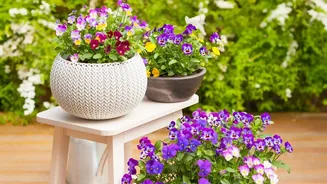
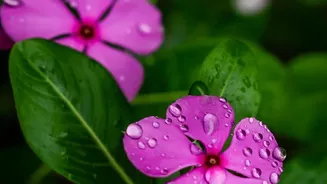
Known as Vinca, periwinkle is a tough, low-maintenance plant that provides continuous colour. It is exceptionally tolerant of heavy rains as long as the pot has good drainage, and once it's established, it is also quite drought-resistant. This makes it a forgiving choice for busy plant parents. Its glossy green leaves and simple, star-shaped flowers in shades of pink, white, and lavender offer a steady and reliable splash of colour. It performs well in both full sun and partial shade, adapting easily to various balcony conditions.
Bougainvillea: The Resilient Showstopper
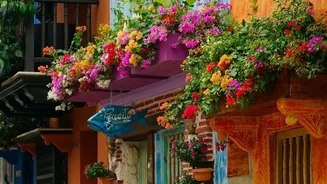
Famous for its vibrant, paper-like bracts in a riot of colours like magenta, purple, red, and orange, Bougainvillea is a true showstopper. This hardy plant is resilient and can withstand heavy rains, making it a surprisingly good choice for a monsoon balcony, provided it's planted in very well-drained soil. It is a sun-lover, so it will do best on a balcony that still gets plenty of direct light. While it may look high-maintenance, it thrives on a bit of neglect and delivers a spectacular visual impact, easily covering a railing or wall with a cascade of colour.