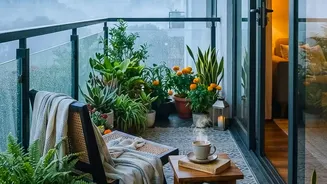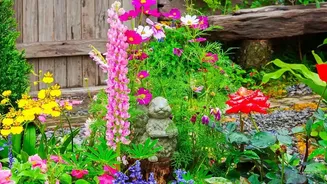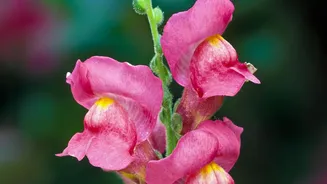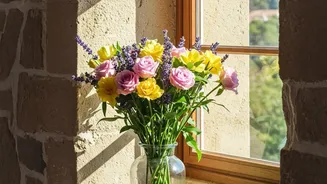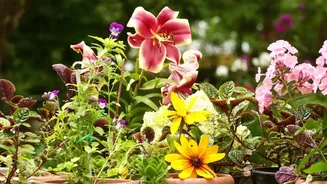

The onset of winter doesn't mean your balcony has to look dull. With a little planning, you can transform it into a vibrant oasis of colour. This guide will help you select the perfect flowering plants that thrive in Indian winters.
Preparing Your Balcony for Blooms
Before you rush to
the nursery, take a moment to assess your balcony's conditions. Most winter flowering plants in India need at least five to six hours of direct sunlight to produce abundant blooms. An east or south-facing balcony is ideal. Ensure you have good quality pots with drainage holes. A well-draining potting mix is crucial as cold, waterlogged soil can lead to root rot. A good mix can be made with equal parts garden soil, an organic compost like vermicompost, and cocopeat to keep it light and airy.
Petunia: The Prolific Bloomer
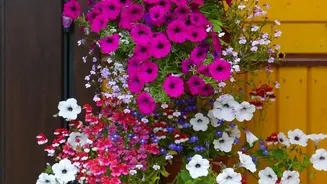
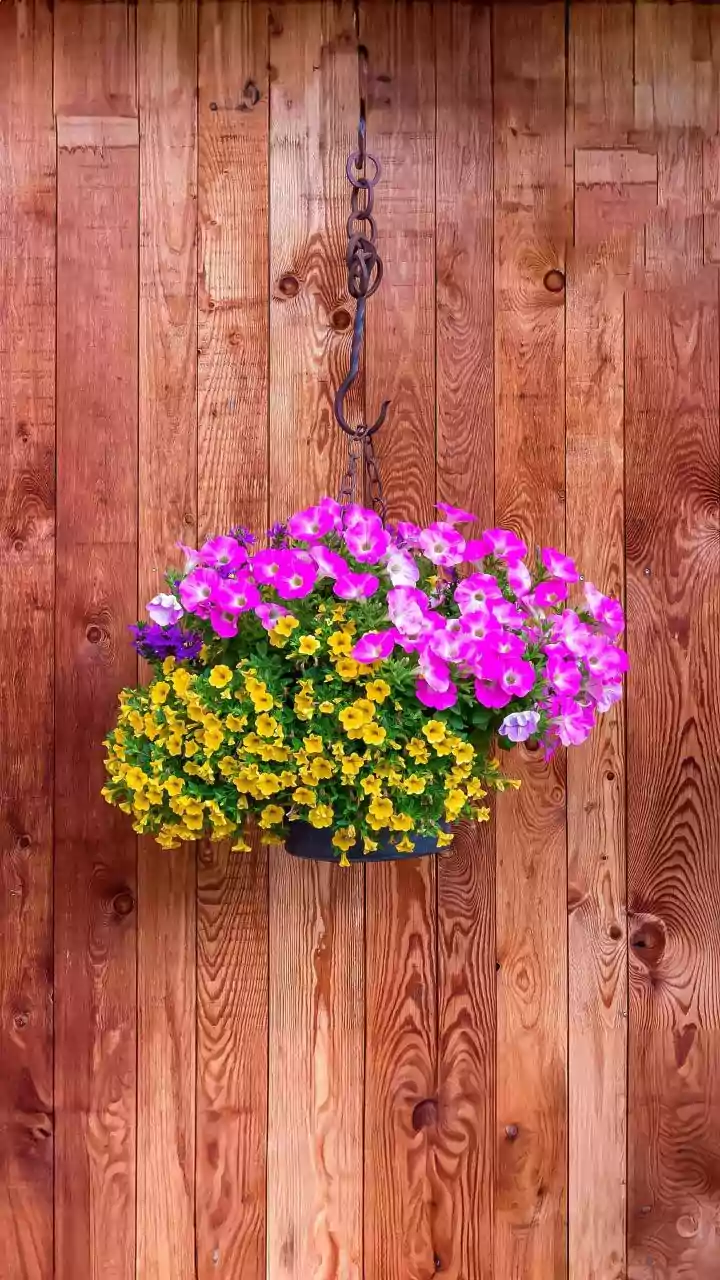
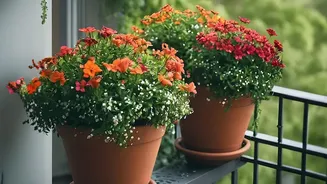
Petunias are arguably the stars of the winter balcony garden, known for their trumpet-shaped flowers that come in a dazzling array of colours. They are perfect for hanging baskets and railing planters, creating a cascading effect. Petunias thrive in the mild days and cool nights of Indian winters. They require at least five to six hours of direct sun. Water them when the top inch of soil feels dry, but avoid making the soil soggy. Regular feeding every two to three weeks with a liquid fertiliser will support their heavy blooming.
Marigold: A Festive Favourite
No Indian winter garden feels complete without the cheerful presence of Marigolds (Genda). These hardy plants are incredibly easy to grow and their bright orange and yellow blooms are a festive staple. They thrive in full sunlight, needing at least six hours a day to flower well. Marigolds are relatively drought-tolerant once established but appreciate moderate watering. For best results, sow seeds in October to enjoy blooms by December. Their cultural significance and pest-repelling properties are an added bonus.
Pansy: The Cheerful 'Face'
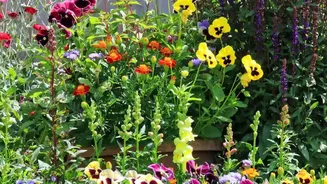
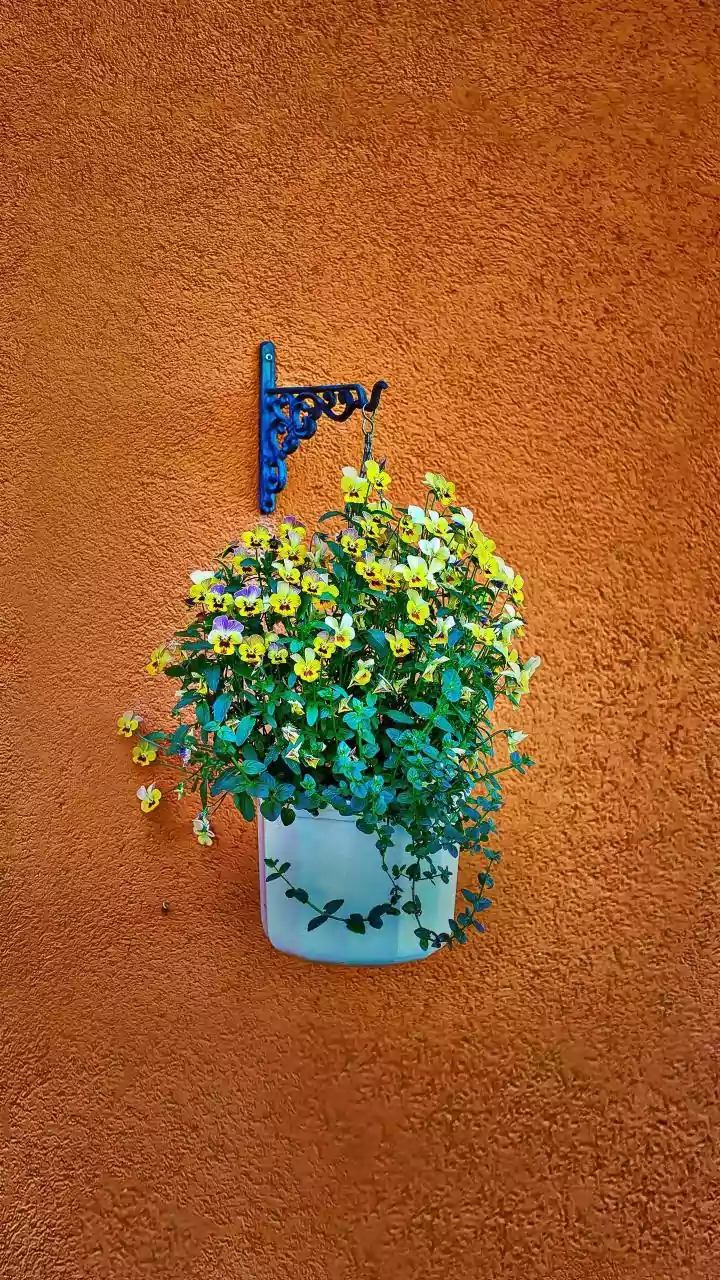
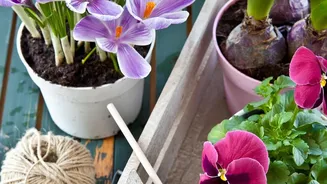
Pansies are charming cool-weather flowers, loved for the unique 'face-like' markings on their petals. They are hardy plants that can withstand lower temperatures and will bloom throughout winter with proper care. Pansies do well in pots and window boxes, preferring a spot with full sun to partial shade. The soil should be kept consistently moist but not waterlogged. Removing faded flowers, a process called deadheading, will encourage the plant to produce more blooms throughout the season.
Calendula: The Sunshine Flower
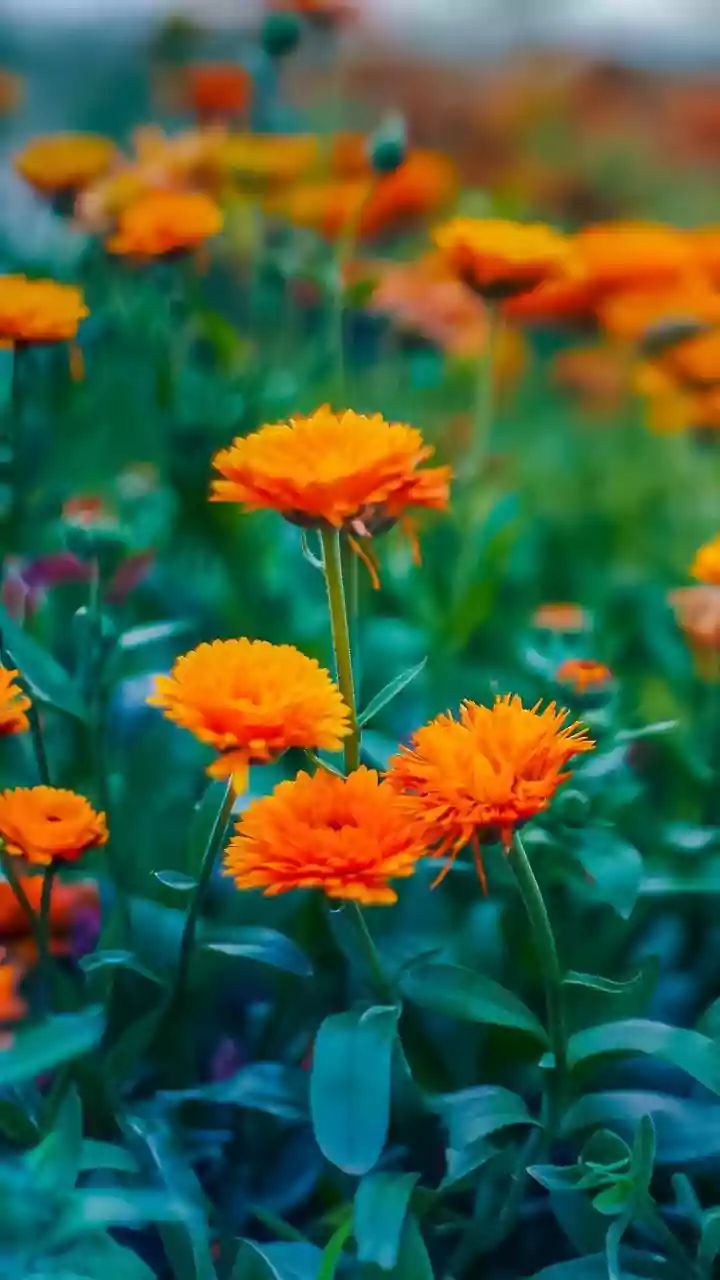
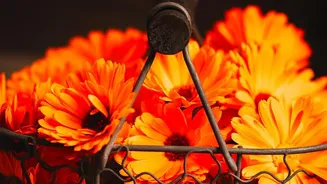
Often called Pot Marigold, Calendula is a resilient and easy-to-grow winter flower known for its bright orange and yellow daisy-like blooms. It's an excellent choice for containers, requiring full sun and well-draining soil. Calendula is quite low-maintenance and can tolerate light frost. Water moderately, allowing the soil to dry out a bit between waterings. The petals are edible and can be used in salads, but only if the plant has not been treated with pesticides.
Dahlia: The Elegant Showstopper
For those looking for a plant that makes a statement, the Dahlia is an excellent choice. With their intricate, layered petals and a wide range of colours and sizes, they are true showstoppers. Dahlias love sunlight, requiring at least six to eight hours daily to thrive and produce large blooms. They grow from tubers, which are best planted in India from late September to early October. Use a large pot, at least 12 inches deep, to accommodate their root system. While they require a bit more care, the stunning flowers are well worth the effort.
Essential Winter Care Tips
Winter gardening has its own set of rules. The most common mistake is overwatering. As temperatures are cooler, soil takes longer to dry out, so always check the top inch of soil with your finger before watering. It's best to water in the morning. Fertilise your flowering plants regularly, as blooming consumes a lot of energy. A liquid fertiliser every few weeks is a good practice. Finally, regularly pinch off spent flowers (deadheading) to encourage your plants to produce new buds and extend the flowering season.