




The Great Summer Exodus
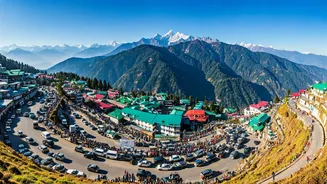
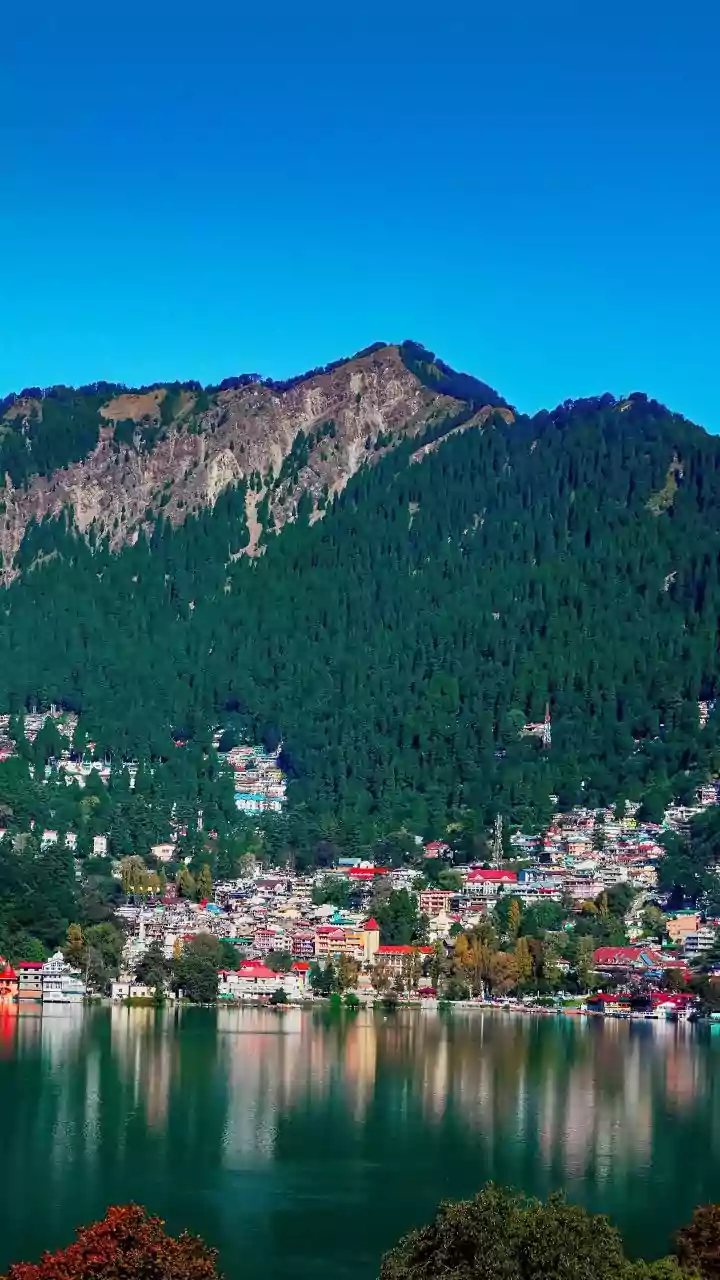
Popular hill stations across Himachal Pradesh and Uttarakhand are witnessing an unprecedented influx of tourists. Destinations like Shimla, Manali, Nainital, and Kufri are packed with visitors seeking respite from soaring temperatures in the plains. This
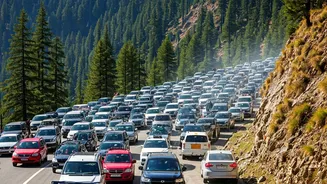
surge has translated into bumper-to-bumper traffic on key highways, with viral videos showing vehicles stuck for hours and even outbreaks of road rage. Recent reports highlight the scale of the issue, with over 3.3 lakh vehicles entering Himachal Pradesh in just 10 days, overwhelming the local infrastructure. Drone visuals have captured the chaos in Manali, where long queues of crawling vehicles have become a common sight. Hotel occupancy rates have soared, with many properties expecting to be fully booked as the season progresses.
A Tale of Two Climates
The primary driver for this tourist rush is the stark contrast in weather. While cities in the plains like Delhi, and across Punjab and Haryana, have been sizzling with temperatures crossing 40 degrees Celsius, the hills offer a much-needed reprieve. Recent weather reports show Shimla and Manali recording pleasant maximum temperatures of 27°C and 26.4°C respectively, a world away from the heatwave conditions down below. The India Meteorological Department (IMD) had forecast a cooler-than-normal summer for parts of North India, but the intense heat in the plains has made the lure of the mountains irresistible for many. This escape is a yearly phenomenon, but the intensity this June is notable, driven by a desperate need to escape the punishing heat.
Paradise Under Pressure
This massive influx, however, is pushing these fragile Himalayan towns to their breaking point. The problem isn't just traffic. Overtourism is creating a severe strain on essential resources, most critically, water. Many Himalayan towns like Shimla, which depend on springs and glacial melt, are facing acute water shortages, with daily demand far outstripping supply during peak tourist season. Locals often face water rationing while tourist facilities consume vast quantities. Waste management is another crisis, with plastic bottles and other non-degradable waste accumulating on trekking trails and in towns, polluting the vulnerable ecosystem. The unregulated construction of hotels and roads to cater to the tourist boom further destabilises the land, increasing the risk of landslides.
A Double-Edged Sword for Locals
For residents of these tourist towns, the summer rush is a complex mix of opportunity and hardship. Tourism is a vital source of income, but the current model of unsustainable, high-volume tourism is creating significant problems. Locals are often the ones who pay the price for overtourism, finding themselves stuck in traffic, facing water shortages, and dealing with rising prices. There is growing tension between the economic benefits that tourism brings and the deteriorating quality of life for permanent residents. While hospitality businesses thrive, the very infrastructure that supports the local community groans under the pressure, leading to a situation that many describe as a 'disaster in the making'.