






Why Monsoon Challenges Your Digestion
The arrival of the rains brings high humidity and a drop in temperature, a combination that can weaken our digestive fire, or 'agni', as it's known in Ayurveda. This makes our gut more sensitive and susceptible to infections. The damp weather is a breeding
ground for bacteria and fungi, increasing the risk of food spoilage and water contamination. During this season, our metabolism naturally slows down, making it harder to digest heavy, oily, and raw foods. This is why many people experience issues like bloating, acidity, and stomach infections more frequently between June and September. The key to staying healthy is not to stop eating, but to adapt your diet to support your body through this vulnerable period.
The Fermentation Ferment: A Closer Look
Fermented foods like dosa, idli, dhokla, and curd are staples in many Indian households and are generally praised for their probiotic benefits. However, during the monsoon, the same process that makes them healthy can turn risky. The warm and humid environment accelerates fermentation, but not always in a good way. It can lead to over-fermentation or the growth of harmful bacteria alongside the good ones, causing spoilage. Ayurveda advises limiting fermented items during this season as they are considered heavy and can aggravate digestion. Consuming improperly fermented or stored batter and curd can lead to bloating, gas, and stomach infections.
Handle with Care: Leafy Greens and Herbs
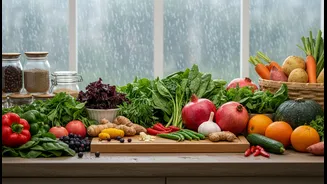
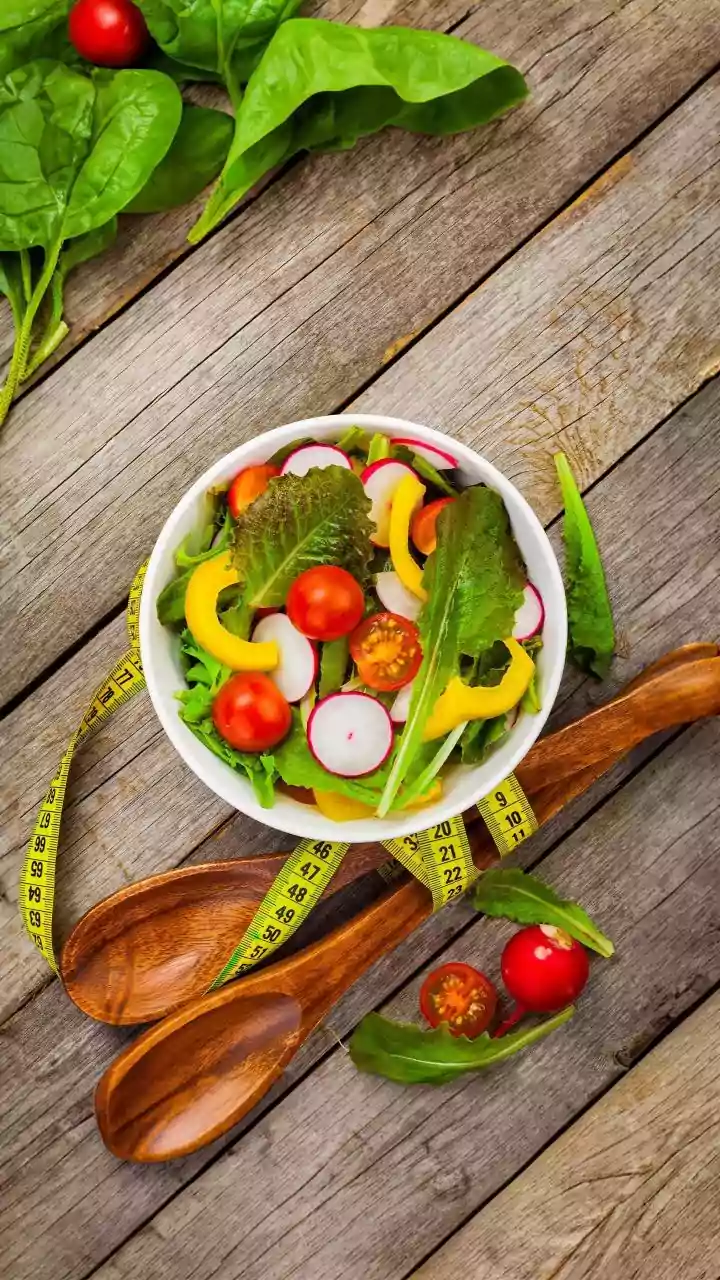
We're always told to eat our greens, but monsoon is the time for extra caution. Leafy vegetables like spinach, cabbage, coriander, and mint grow close to the ground, making them highly susceptible to contamination from mud, dirt, and worms. With waterlogging and overflowing drains, the risk of soil-borne bacteria and pathogens on these greens increases significantly. The high humidity also means they retain more moisture, creating an ideal breeding ground for microbes even after they've been harvested. Consuming raw or improperly washed greens is a common cause of gastrointestinal infections during the rainy season.
Smart Kitchen Habits for a Healthy Monsoon
You don't have to completely give up your favourite foods; you just need to be smarter about preparing them. For fermented foods, the best practice is to make them fresh and consume them immediately. Avoid storing dosa or idli batter for more than a day. If you consume curd, opt for fresh, homemade versions made from pasteurised milk and have it during the day rather than at night. For leafy vegetables and herbs, washing is critical. Soak them in water with a bit of salt, vinegar, or baking soda for a few minutes to help dislodge dirt and microbes. It's also much safer to cook your greens thoroughly rather than eating them raw in salads, as heat destroys most harmful pathogens. Blanching them in hot, salted water for 30 seconds is another good safety measure.
Embrace a Monsoon-Friendly Diet
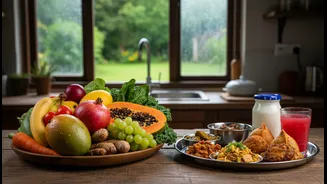
Instead of focusing on what to avoid, embrace foods that actively help your body during this season. Ayurveda recommends warm, freshly cooked, and light meals. Think vegetable soups, steamed vegetables, and simple dishes like khichdi. Incorporate digestive spices like ginger, turmeric, black pepper, cumin, and garlic into your cooking. These spices not only add flavour but also help support your weakened digestion and boost immunity. Herbal teas made with tulsi, ginger, or lemongrass are excellent substitutes for cold drinks and can help keep you warm and hydrated while fighting off seasonal infections. Choose fruits with protective peels like bananas and pomegranates, and avoid pre-cut fruits sold by vendors.