




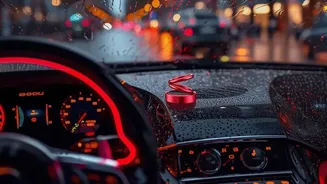

Perform a Pre-Trip Vehicle Check
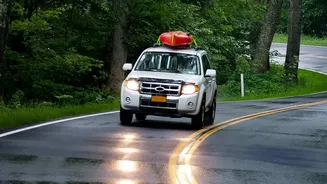
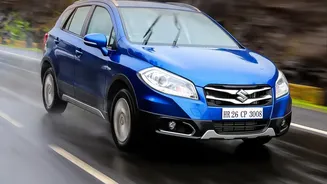
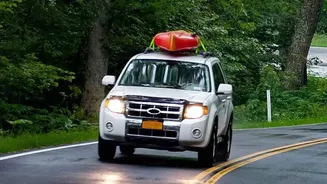
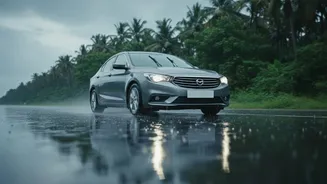
Before you even think of starting a road trip in the rain, a quick but thorough check of your vehicle is non-negotiable. While this might seem obvious, many drivers overlook the specifics. Your tyres are the single most important safety feature on wet
roads. Ensure they have adequate tread depth—at least 3mm is advisable—to prevent aquaplaning, a dangerous situation where your tyres lose contact with the road surface. Equally important are your windscreen wipers. Old or worn-out blades will smear water instead of clearing it, drastically reducing visibility in a downpour. Replace them if they leave streaks. Finally, test all your lights: headlights, taillights, and indicators. In heavy rain, visibility drops significantly, and being seen by other drivers is just as important as seeing them. Using low-beam headlights during the day in heavy rain can make a huge difference.
Assemble a Monsoon Emergency Kit
While a standard first-aid kit is always a good idea, a monsoon-specific emergency kit can be a true lifesaver if you get stranded due to traffic, waterlogging, or landslides. This isn't about preparing for the worst-case scenario, but about ensuring comfort and safety during unexpected delays, which are common during the rainy season. Your kit should be kept in a waterproof bag. Include a powerful torch or flashlight, a fully charged power bank for your mobile phone, and some high-energy, non-perishable snacks like nuts or protein bars. A few bottles of clean drinking water are also essential. Adding a microfiber towel and a rope can also be incredibly useful. These items take up little space but provide immense peace of mind, turning a potentially stressful delay into a manageable inconvenience.
Prioritise Food and Water Safety
The monsoon season sees a spike in waterborne diseases like typhoid, cholera, and other gastrointestinal infections. The higher moisture in the air and potential for contaminated water sources mean you need to be extra cautious about what you eat and drink. While enjoying local delicacies is a highlight of any trip, it's wise to be more selective during the rains. Avoid street food, especially items that are uncooked or have been sitting out. Opt for establishments that are clean and serve freshly prepared, hot meals. When it comes to water, stick exclusively to bottled or purified water from a reliable source; ensure the seal is intact. Avoid drinks with ice unless you are certain the ice was made from purified water. This small change in habit can prevent a holiday-ruining illness.
Rethink Your Footwear and Foot Care
The temptation to wear flimsy flip-flops is high, but they offer poor grip on slippery surfaces and no protection from dirty water. Wading through waterlogged streets, which is sometimes unavoidable, can expose you to a host of bacteria and fungal infections. A better choice is waterproof sandals with good grip or quick-drying shoes. After any exposure to stagnant water, it is crucial to wash your feet thoroughly with soap and dry them completely. Packing an extra pair of socks and an antiseptic liquid or powder can also help prevent fungal infections that thrive in damp conditions. This focus on foot hygiene is a small but critical detail for staying healthy while navigating wet environments.
Look Beyond the Weather Forecast
Checking a weather app for rain is a good start, but it’s not enough during the Indian monsoon. Heavy rainfall in one area can cause landslides and road closures miles away. A flexible itinerary is your best asset. Before you set off each day, especially in hilly or remote regions, supplement the weather forecast with real-time information. Ask your hotel staff about local road conditions. Check online travel forums or social media groups where locals and other travellers post updates about specific routes. Some state police departments also share traffic and road-closure information on social media. Being prepared to delay your departure or change your route based on these ground reports is a crucial safety measure that apps alone cannot provide.