


The High Cost of Convenience
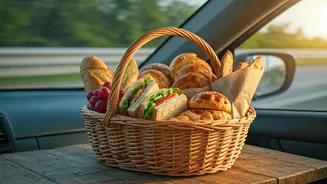
The modern travel experience often feels like a series of snack-related compromises. You’re either paying an exorbitant amount for a bag of chips that’s mostly air, or grabbing a sugary processed bar that leaves you hungry 30 minutes later. These convenience
foods are not only a drain on your wallet but are often low in nutritional value and ultimately unsatisfying. This reliance on whatever is available on the go has created a culture of settling for mediocre food simply because we feel we have no other choice. It’s a universal problem, whether you're a student on a budget, a professional on a business trip, or a family trying to keep everyone fed and happy without breaking the bank. The alternative, however, is simpler and more delicious than you might think.
A Timeless Travel Companion
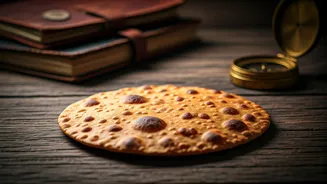
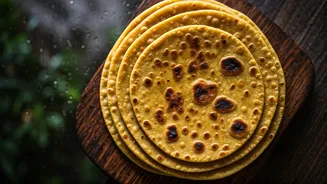
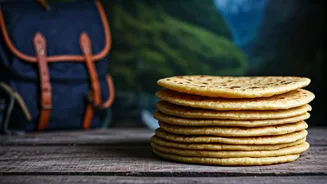
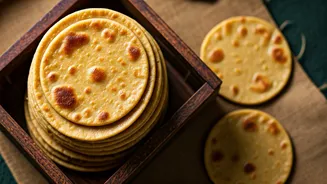
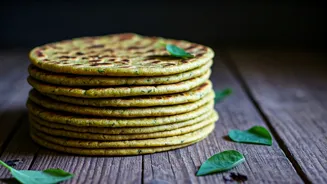
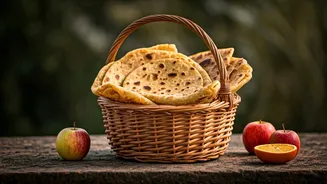
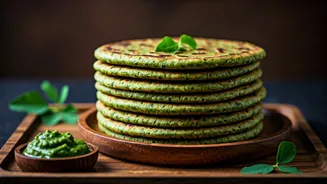
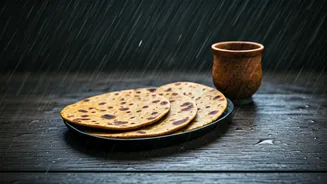
For generations, Gujaratis have known the secret to perfect travel snacking: the thepla. This soft, spiced flatbread is more than just a food; it's a piece of portable comfort and practicality. Made from whole wheat flour, spices, and often incorporating vegetables like fenugreek (methi) or bottle gourd (doodhi), thepla is a complete package. It’s designed for longevity and convenience, making it an age-old staple for long journeys. Unlike a paratha, which is often thicker and best eaten hot, or a roti, which can dry out quickly, the thepla is engineered to taste great at room temperature and stay soft for days. This makes it the ideal companion for everything from a cross-country train ride to a long-haul flight.
Built to Last
What gives thepla its incredible shelf life? The magic lies in its preparation. The dough is typically kneaded with oil or ghee instead of just water, which helps preserve its softness and prevent it from becoming brittle. When methi (fenugreek leaves) are added, they act as a natural preservative, further extending the thepla's freshness. The key is to use minimal water during kneading and to cook them thoroughly with enough oil. When made this way, methi theplas can easily last for three to four days without refrigeration, and some recipes passed down through families claim they can last even longer. This inherent durability is what has made them a trusted food for travellers, students heading back to hostels, and anyone needing a reliable meal on the move.
A Thepla for Every Taste
While methi thepla is the most iconic version, the world of theplas is rich with variety. This versatility is part of its charm, allowing you to tailor it to your taste or whatever you have in the pantry. Plain (sada) theplas are a simple, comforting classic. Doodhi theplas, made with grated bottle gourd, are incredibly soft and a great way to sneak vegetables into a child’s meal. You can also experiment with other ingredients like grated carrots, chopped spinach, or millet flours like bajra for a different texture and nutritional profile. The spice blend can also be adjusted, from a mild hint of turmeric and ajwain (carom seeds) to a fiery kick of red chilli powder. This adaptability ensures you’ll never get bored.
Pack and Pair Like a Pro
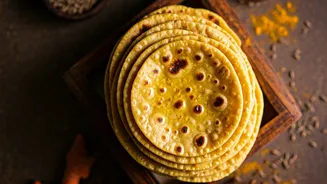
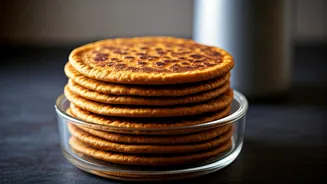
Packing theplas correctly is key to enjoying them on your journey. Once they have cooled completely, stack them with a small piece of parchment paper or aluminium foil between every few theplas to prevent them from sticking. Roll them up snugly in foil or place them in an airtight container. As for pairings, the options are endless. The classic companion is a sweet and sour mango pickle (chundo), whose flavours perfectly complement the spiced flatbread. Other great options include spicy lime pickle, dry garlic chutney, or simply a dollop of thick yogurt. If you’re a minimalist, a well-made thepla needs no accompaniment at all—it's a flavourful, satisfying snack all on its own.