

The Foundation: A Tale of Four Bases
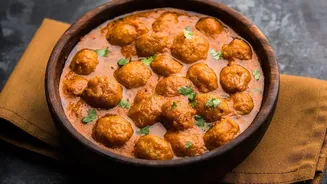
At the heart of any gravy is its base, and this is where regional identities first emerge. In North India, gravies are often built on a foundation of sautéed onion and tomato, enriched with dairy like cream, yogurt, or butter. This results in the thick,
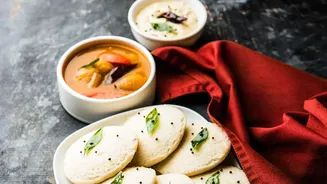
luscious sauces found in dishes like Paneer Butter Masala. Travel south, and the landscape changes dramatically. Here, coconut is king. Gravies are frequently made from coconut milk or freshly ground coconut paste, often combined with lentils, giving them a lighter texture and a subtly sweet flavour profile. Head east to Bengal, and you'll find gravies with the distinct pungency of mustard paste and the nutty texture of poppy seed paste ('posto'). In the West, particularly in Gujarat and Maharashtra, gravies often feature gram flour (besan) and groundnuts, creating earthy, nutty sauces that can be both sweet and savoury.
The Zing Factor: A Spectrum of Souring Agents
The element of sourness, or 'khatta', is crucial for balancing the richness and spice in Indian cooking, and each region has its preferred agent. North Indian kitchens heavily rely on the ubiquitous tomato, but also use yogurt and 'amchur' (dried mango powder) for a sharp tang, especially in dals and chickpea curries. In the South, the undisputed champion of sour is tamarind, which imparts a deep, complex tartness to staples like sambar and rasam. Along the western coast, especially in Goan and Maharashtrian food, the preferred souring agent is 'kokum', a dried fruit from the mangosteen family that gives dishes a unique sweet-and-sour note without overpowering them. This regional preference for souring agents is a direct reflection of local agriculture and climate.
The Carrier of Flavour: Choosing a Cooking Fat
The choice of cooking fat is not merely a technical detail; it's a fundamental flavour decision that defines a region's culinary signature. In much of North India, ghee (clarified butter) reigns supreme. Its nutty aroma and richness are foundational to the region's indulgent dishes. In Eastern India, particularly Bengal, the sharp, pungent character of mustard oil is indispensable, providing a distinctive heat and aroma to vegetable preparations and fish curries alike. Down South, especially in Kerala and parts of Tamil Nadu, coconut oil is the fat of choice, lending a light, fragrant quality that complements the region's spices and vegetables. In other parts of the South and West, sesame (gingelly) oil and groundnut oil are also widely used, each bringing its own nutty and earthy profile to the dish.
The Soul of the Dish: Regional Spice Philosophy
While many spices are used across India, the way they are blended and used differs profoundly from one region to another. North Indian cooking is often characterised by 'garam masala', a warming blend of spices like cinnamon, cardamom, cloves, and cumin. The technique of 'bhunao'—slow-roasting the masala base until the oil separates—is key to developing deep, layered flavours. South Indian cuisine, on the other hand, frequently starts with a 'tadka' (tempering) of mustard seeds, curry leaves, and dried red chillies in hot oil, which provides an immediate, aromatic burst of flavour. In the East, the 'panch phoron' or Bengali five-spice blend (fenugreek, nigella, cumin, black mustard, and fennel seeds) is essential, giving dishes a unique, slightly bitter, and aromatic complexity. These spice philosophies are the final, crucial layer that makes each regional gravy a distinct culinary experience.