


Venus: Our Mysterious, Scorching Neighbour
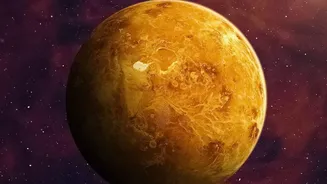
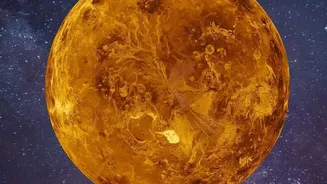
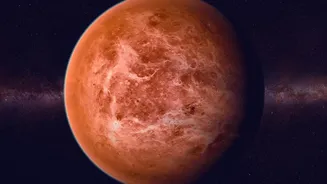
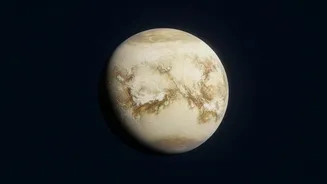
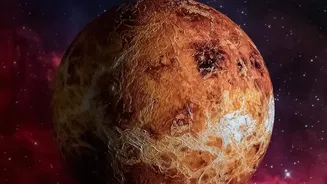
Venus is a planet of extremes. With a surface temperature hot enough to melt lead and a thick, choking atmosphere of carbon dioxide and sulfuric acid clouds, it is one of the most hostile environments in our solar system. Yet, for all its differences,
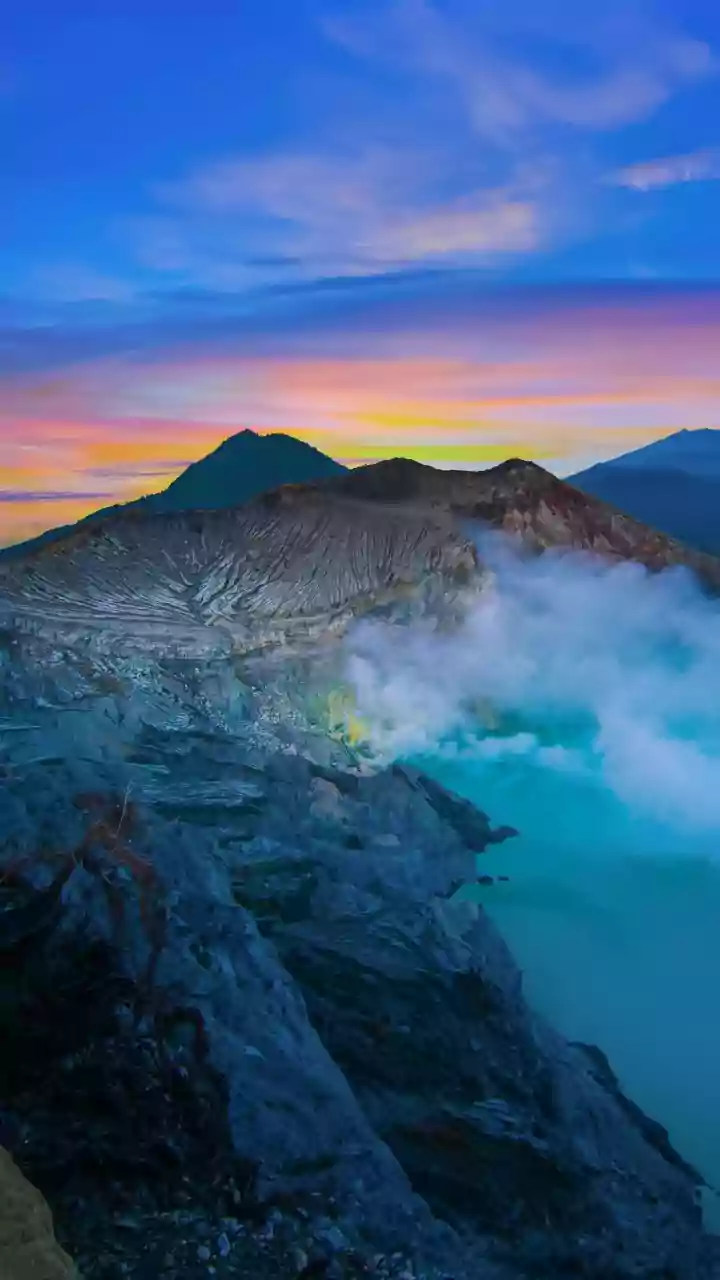
it is a crucial piece in the puzzle of planetary evolution. Scientists believe Venus may have once been more like Earth, and understanding its transformation is key to understanding our own planet's future. For decades, a tantalizing question has remained: are the hundreds of volcanoes that dot its surface still active? Recent analyses of old data from NASA's Magellan mission have provided the strongest evidence yet of ongoing volcanic activity, revealing changes in volcanic vents and fresh-looking lava flows from the 1990s.
The Sulfur Dioxide Smoking Gun
One of the most compelling clues for active volcanism is the presence of sulfur dioxide (SO2) in Venus's upper atmosphere. On Earth, the vast majority of this pungent gas is pumped into the air by volcanic eruptions. The situation on Venus is tricky; its atmosphere is already rich in sulfur compounds. However, sulfur dioxide is quickly broken down by sunlight, meaning any SO2 found high above the planet's dense cloud deck must have been put there very recently. Past missions, like ESA's Venus Express, have detected significant, puzzling fluctuations in the amount of SO2, with sharp increases followed by rapid declines. While this could be caused by unknown atmospheric circulation patterns, the most exciting explanation is that a volcano blasted the gas into the upper atmosphere.
Enter Shukrayaan-1: India’s Venusian Detective
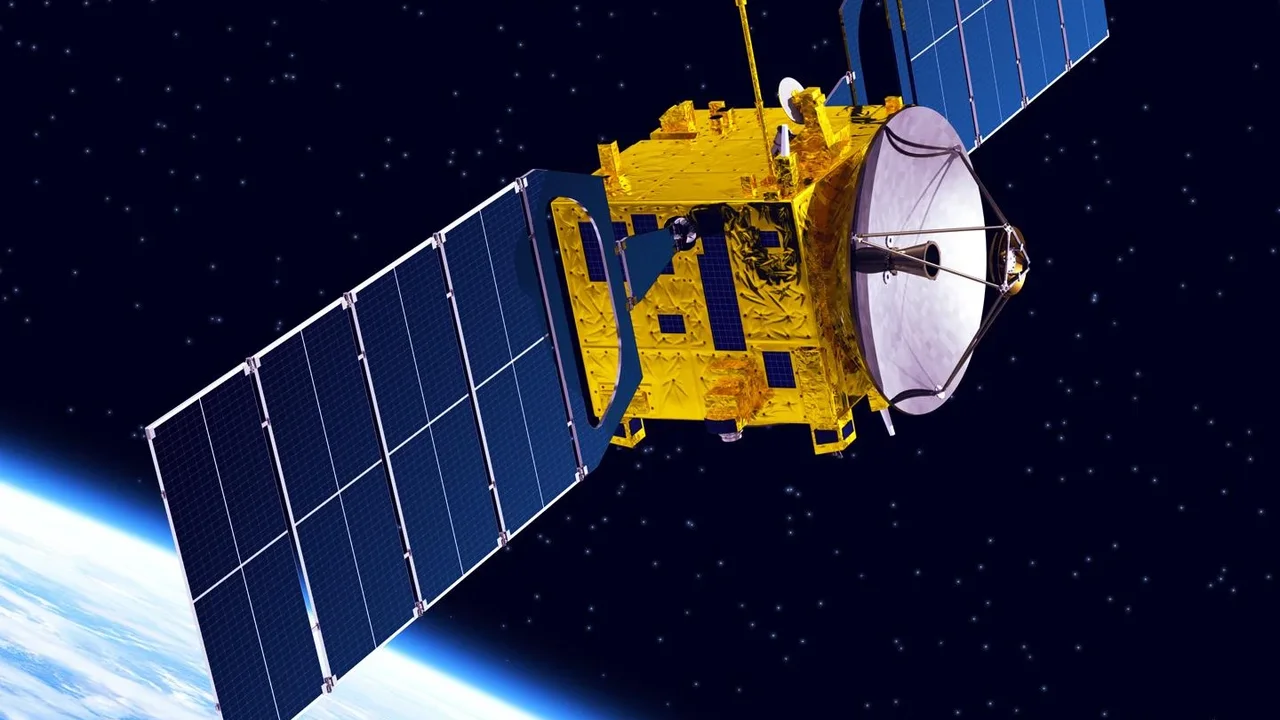
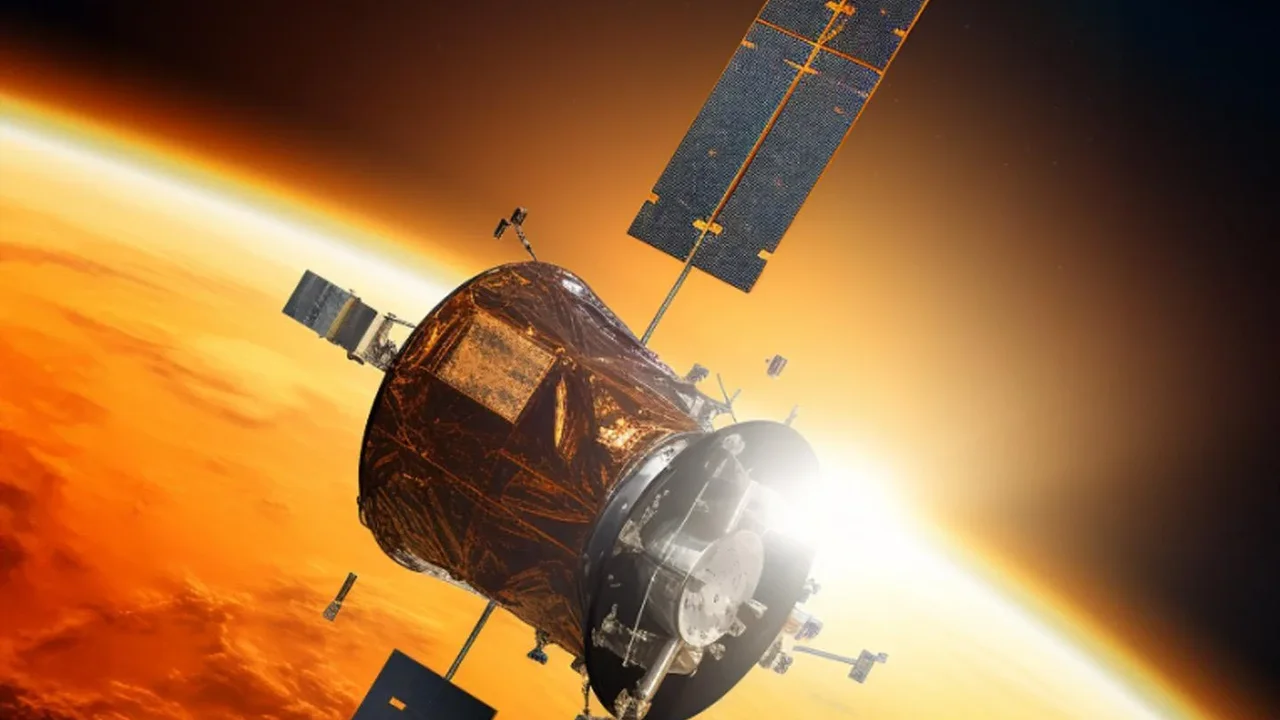
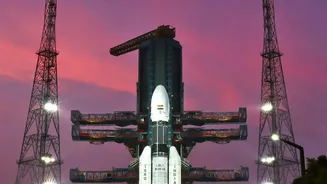
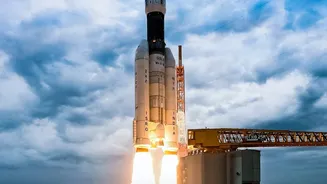
This is the mystery India's Shukrayaan-1 mission, formally known as the Venus Orbiter Mission (VOM), aims to solve. Following the historic success of the Chandrayaan and Mangalyaan missions, ISRO is setting its sights on our other planetary neighbour. Approved by the Union Cabinet, the mission is scheduled for launch in March 2028 aboard the powerful LVM-3 rocket. The orbiter, with a payload of about 100 kg, will spend over four years studying Venus’s surface, subsurface, and atmosphere in unprecedented detail. It represents a major leap for India’s space program, positioning the nation at the forefront of planetary science and exploration.
The High-Tech Tools for the Job
To hunt for volcanic clues, Shukrayaan-1 will be equipped with a suite of sophisticated instruments. Among the shortlisted international payloads is the Venus Infrared Atmospheric Gases Linker (VIRAL), a joint effort between the French and Russian space agencies. This instrument is designed to study the structure and dynamics of the Venusian atmosphere. By observing gases in infrared and ultraviolet wavelengths, Shukrayaan’s payload will be able to map the concentration of sulfur dioxide with high precision. The key will be to catch a plume of SO2 as it rises, providing a direct link—a 'smoking gun'—between the gas in the atmosphere and a specific location on the surface, potentially an erupting volcano.
Connecting the Dots for a Historic Discovery
Finding active volcanoes on another planet would be a monumental discovery. For Venus, it would mean the planet is not geologically dormant but a dynamic and evolving world. By combining atmospheric data with surface mapping from its high-resolution radar, Shukrayaan-1 can connect the dots. If the spacecraft detects a spike in sulfur dioxide and its ground-penetrating radar simultaneously identifies a hotspot or recent lava flow in the same area, it would provide conclusive proof of active volcanism. This would not only solve a long-standing scientific debate but also provide vital data on how the interiors of terrestrial planets shape their climates and long-term evolution.