

The Great August Wilt-Off
For many home gardeners across India, August presents a unique and formidable challenge. It’s not just the heat, which can exceed 40°C in many places, but the oppressive humidity that accompanies it. This combination creates what can be called the ultimate
'balcony test'. Plants that were thriving in the milder spring or even the dry heat of early summer suddenly find themselves struggling to survive. The air is thick, the sun is relentless, and the soil in pots can turn into a steaming, waterlogged environment or dry out in hours. This annual trial by fire (and steam) often results in a balcony graveyard of wilted basil, scorched petunias, and yellowing money plants, leaving gardeners frustrated and wondering what went wrong. The answer, however, is not necessarily a lack of care but a mismatch of plant to climate.
What Heat and Humidity Actually Do to Plants
To understand why so many plants fail, it's important to know what they're up against. Plants cool themselves through a process called transpiration, where they release water vapour from their leaves. In extreme heat, this process goes into overdrive to prevent overheating, causing the plant to lose water much faster than its roots can absorb it. This leads to the classic signs of heat stress: wilting, curling leaves, and scorching. When you add high humidity to the mix, the air is already saturated with moisture, making it harder for the plant to release water vapour and cool down effectively. This can also create the perfect conditions for fungal diseases to thrive. So, while a humid day might feel wet, your plants are simultaneously struggling with heat stress and an inability to regulate their temperature properly.
The Survivors: Meet the Heat-Tolerant Champions
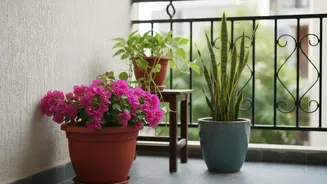
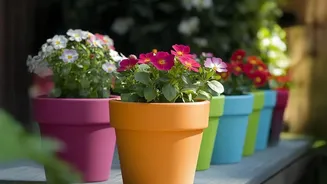
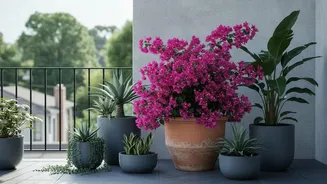
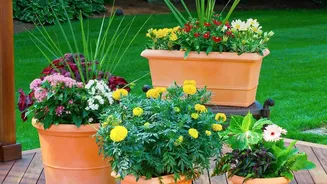
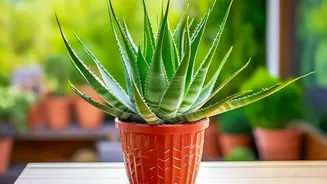
The good news is that the August balcony test also reveals the heroes of your garden—the plants that are built for these conditions. These are the varieties that don't just survive but often thrive. Topping the list is the ever-resilient Bougainvillea, whose vibrant bracts seem to love the intense sun. Then there are succulents like Aloe Vera and Agave, which store water in their leaves and are perfectly adapted to dry, hot spells. Flowering plants like Portulaca (Moss Rose), Vinca (Sadabahar), and Lantana offer brilliant splashes of colour while demanding very little water and tolerating direct sun with ease. For those wanting something lush and green, the Snake Plant and ZZ Plant are nearly indestructible choices that handle heat and irregular watering. Even popular flowers like Marigold and Hibiscus are well-suited to Indian summers, proving that a heat-proof garden can still be a beautiful one.
Beyond the Balcony: A Bigger Lesson
This personal experiment on our balconies and terraces mirrors a much larger challenge facing India. Just as home gardeners seek out resilient plants, farmers and agricultural scientists are in a race to develop and promote heat-tolerant and drought-resistant crop varieties. Extreme weather events, including prolonged heatwaves, are impacting crop yields, water resources, and food security across the nation. The lessons we learn in our small urban gardens—about working with the climate rather than against it, about choosing native or adapted species, and about conserving water—are the same principles being applied on a national scale to build a more resilient agricultural future. Choosing a hardy Portulaca over a delicate English flower is a small-scale reflection of a vital, country-wide adaptation strategy.
How to Build a More Resilient Garden
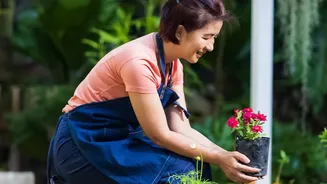
Embracing heat-tolerant varieties doesn't mean you have to discard all your favourite plants, but it does suggest a shift in strategy. Start by observing your space. Which areas get the most punishing afternoon sun? Reserve those spots for the true sun-worshippers like Bougainvillea or cacti. Group plants with similar water needs together to make watering more efficient. Use mulch—like dried leaves or coconut husk—to cover the soil in your pots. This simple step can dramatically reduce water evaporation, keep roots cooler, and suppress weeds. When you visit a nursery, specifically ask for plants that do well in your local summer conditions. By making smarter choices, you can create a garden that not only survives the August test but thrives through it, saving you time, water, and heartache.