

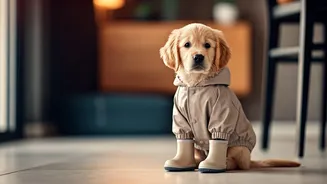


Perfect The Post-Walk Ritual
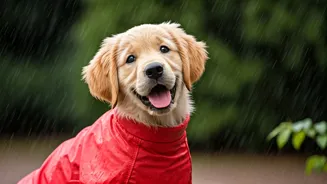
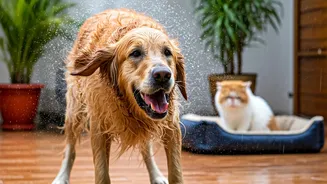
The most critical part of a rainy-day walk happens the moment you get back inside. Damp fur, especially in humid weather, is a breeding ground for fungal and bacterial skin infections. Every time your pet comes in from the wet, they need to be dried thoroughly
with a clean, absorbent towel. Pay special attention to their ears, paws, armpits, and groin area, where moisture tends to get trapped. For long-haired breeds, a quick blow-dry on a low, cool setting can be a lifesaver. This simple five-minute routine can prevent weeks of painful and costly skin treatments.
Prioritise Paw Protection
Paws take a beating during the monsoon. They are constantly exposed to dirty water, mud, and hidden sharp objects on waterlogged streets. After every walk, wash your pet’s paws with lukewarm water and a gentle antiseptic solution recommended by your vet. Dry them completely, especially between the toes, to prevent fungal infections like pododermatitis. Inspect their paw pads for any cuts or abrasions. Applying a thin layer of petroleum jelly or a specialised paw balm before a walk can offer a protective barrier against moisture and irritants.
Keep a Close Watch on Health
The monsoon is peak season for parasites and infections. The humidity and standing water lead to a surge in ticks, fleas, and mosquitoes, which can transmit diseases. Ensure your pet’s tick and flea prevention is up to date. Also, be vigilant for ear infections, identifiable by head shaking or a foul odour from the ears. Digestive issues are also common, as pets might lick contaminated water or fur. If you notice lethargy, loss of appetite, persistent scratching, or diarrhoea, don't wait. A quick trip to the vet can catch problems before they become serious.
Make Indoor Time Fun
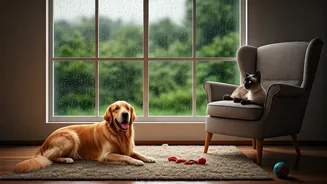
Shorter walks and skipped park visits mean your pet will have a lot of pent-up energy. A bored pet is often a destructive pet. Combat this with indoor enrichment. Invest in puzzle toys or treat-dispensing balls that make them work for their food. Play a game of hide-and-seek with their favourite toy or practice basic commands and tricks. Even 15–20 minutes of focused mental stimulation can be as tiring as a short walk. For cats, a simple cardboard box or a laser pointer session can provide ample entertainment.
Soothe Thunderstorm Anxiety
Loud thunder and lightning can be terrifying for many pets. Create a 'safe space' for them, like a crate with a blanket over it or a quiet corner of a room where they can retreat. On stormy days, try to be home with them if possible. Your calm presence is reassuring. Playing calming music or white noise can help drown out the storm's rumbles. Never punish a pet for being scared. Instead, comfort them and try to distract them with a favourite chew toy or a gentle petting session. Anti-anxiety wraps are also an option for severely affected pets.
Adjust Their Diet and Hydration
With reduced physical activity, your pet might not need as many calories. Continuing their regular diet without adjusting for lower energy expenditure can lead to weight gain. Consider slightly reducing their portion size, but consult your vet before making any major changes. Paradoxically, pets can get dehydrated during the monsoon as they may not feel as thirsty. Always ensure they have access to fresh, clean drinking water. Avoid letting them drink from puddles or stagnant water sources, which are teeming with bacteria and parasites.