

Why Your Garden Needs a Local Touch
In our quest for beautiful urban gardens, we often gravitate towards exotic or ornamental plants that offer vibrant colours but little else for the local environment. While pretty, these species are frequently disconnected from the native ecosystem. They
may not provide the right kind of nectar or foliage for local insects, birds, and butterflies. Biodiversity isn't just about having a variety of plants; it's about creating a functioning habitat that supports a web of life. Native plants are the foundation of this habitat, having co-evolved with local wildlife for millennia. By incorporating them, your garden becomes more than just a personal retreat; it transforms into a vital 'stepping stone' in a larger ecological corridor, helping to connect fragmented green spaces across the city.
The Surprising Benefits of Going Native
Opting for native plants offers a host of advantages that go far beyond aesthetics. Because these species are naturally adapted to the local climate, soil, and rainfall patterns, they are significantly more resilient. This means they generally require less water, which is crucial in a country facing growing water scarcity. They are also naturally more resistant to local pests and diseases, reducing or even eliminating the need for chemical pesticides and fertilisers. This saves you time and money, and it prevents harmful chemical runoff from polluting the environment. A garden filled with native species is a low-maintenance, cost-effective, and eco-friendly space that thrives naturally.
Plants to Welcome Nature's Visitors
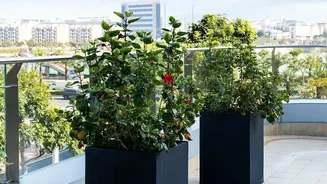
Creating a haven for wildlife is as simple as choosing the right plants. To attract birds, consider species that offer nectar, seeds, or dense foliage for shelter. Native Hibiscus, with its large, colourful flowers, is a favourite for nectar-loving sunbirds. Sunflowers provide seeds for sparrows and finches once their blooms fade. For butterflies and bees, nectar-rich flowers are key. Marigolds are easy to grow and attract a host of pollinators, while also helping to deter some garden pests. Fragrant Jasmine (Mogra) and Parijat (Night-flowering Jasmine) attract moths and other nighttime pollinators. Even the humble Curry Leaf tree (Murraya koenigii) provides flowers for bees and shelter for insects that birds feed on.
How to Create Your Mini-Ecosystem
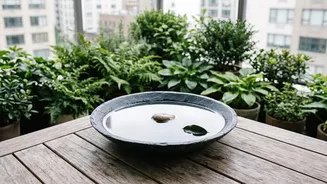
You don't need a sprawling lawn to make a difference; even a small balcony can become a biodiverse haven. Start by assessing your space: note how much sunlight it gets and choose plants accordingly. Visit a local government nursery or Krishi Vigyan Kendra to find authentic native species suitable for your specific region, rather than relying on generic hybrids. Think in layers to mimic a natural habitat: taller shrubs like Hibiscus, mid-level plants like Marigold or Basil (Tulsi), and even native grasses in pots. Beyond planting, you can enhance your garden's appeal to wildlife by adding a small, shallow bowl of water for birds to drink and bathe in. Finally, avoid using chemical pesticides. A healthy garden will attract beneficial insects that naturally control pests, creating a balanced and self-sustaining ecosystem.