





The Martian Atmosphere: A Challenge and an Opportunity
Sustaining human life on Mars requires mastering the local environment. Unlike Earth, Mars offers a starkly different atmospheric cocktail, composed almost entirely of carbon dioxide (CO2). For future Martian explorers, this presents both a life-threatening
problem and a remarkable opportunity. Hauling tanks of oxygen from Earth is logistically daunting and incredibly expensive; a round trip could require upwards of 25-40 tons of oxygen for propellant alone, not to mention breathable air. The solution lies in a concept known as In-Situ Resource Utilization (ISRU), which essentially means living off the land. By harnessing the abundant CO2, a Martian base could theoretically generate its own supply of breathable air and a crucial component of rocket fuel, dramatically reducing the mass that needs to be launched from Earth.
MOXIE: Proving It Can Be Done
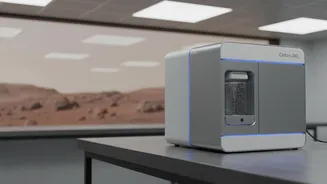
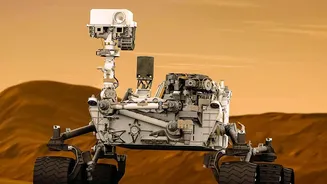
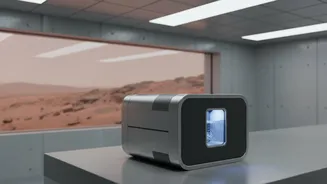
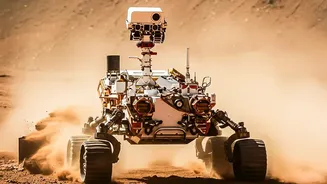
The principle of turning Martian air into oxygen is not just a theory. NASA's Mars Oxygen In-Situ Resource Utilization Experiment, or MOXIE, was a microwave-sized instrument aboard the Perseverance rover that proved the concept works on Mars. Using a process called solid oxide electrolysis, MOXIE heated Martian CO2 to approximately 800 degrees Celsius and split the molecules into oxygen (O2) and carbon monoxide (CO). Over the course of its mission, MOXIE successfully and repeatedly produced high-purity oxygen, generating a total of 122 grams. At its peak, it produced 12 grams an hour, doubling NASA's original goals for the experiment and confirming that this technology is a viable pathway for supporting future astronauts.
The Quest for Greater Efficiency
While MOXIE was a resounding success, it was a small-scale demonstration. Scaling the technology up to produce the tons of oxygen needed for a human mission presents significant engineering challenges. The primary hurdle is energy efficiency. The high temperatures required for solid oxide electrolysis consume a great deal of power, which will be a precious and limited resource at a Martian outpost. Furthermore, the components must be incredibly durable to operate reliably in the harsh Martian environment for long periods without maintenance. Planetary engineers are therefore in a race to develop new methods that can produce more oxygen with less power and greater stability.
Innovations in Electrolysis Technology
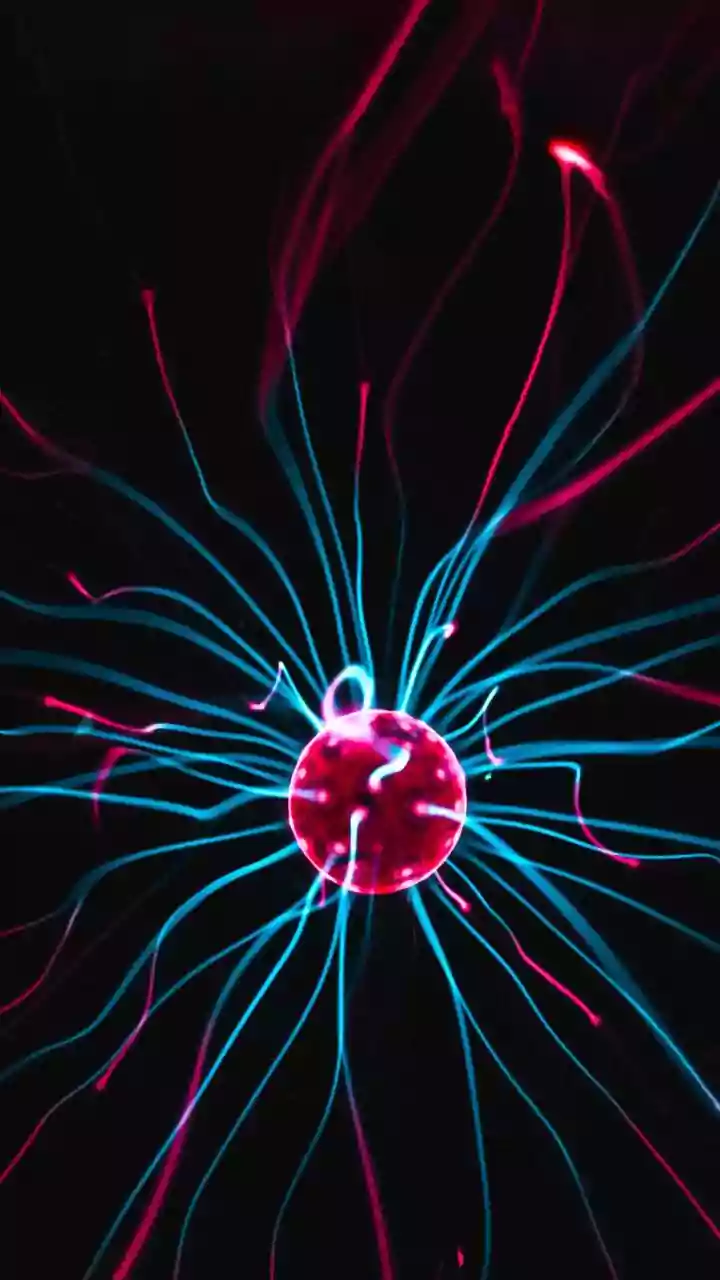
Several promising new approaches are emerging from laboratories. One major area of focus is on developing more effective catalysts—the materials that facilitate the chemical reaction. Researchers are designing novel catalysts, such as those based on cobalt and ruthenium, that can achieve oxygen yields of over 98%, splitting CO2 much more efficiently and at lower temperatures than MOXIE's system. Another innovative approach involves using plasma. By exciting CO2 gas into a plasma state with microwaves or radio waves, researchers have been able to split the molecules with impressive speed, potentially producing 30 times more oxygen than MOXIE for the same power input. Other teams are exploring the electrolysis of salty brine found beneath the Martian surface, which could produce both oxygen and valuable hydrogen fuel simultaneously, potentially using 25 times less power than MOXIE to produce the same amount of oxygen.
Building the Future Martian Power Grid
These efficiency improvements are critical because they directly impact the feasibility of a Martian base. A more efficient electrolysis system requires a smaller and less massive power source, such as solar arrays or a compact nuclear reactor. Some engineers are even investigating how thermoelectric generators could use the extreme temperature difference between a warm habitat and the frigid Martian exterior to power CO2 conversion. Beyond just oxygen, advanced electrolysis techniques are being developed to convert Martian CO2 into other useful products like ethanol, which could be used as a liquid fuel or a feedstock for making other materials. Each of these advancements brings the goal of a self-sustaining human presence on Mars one step closer to reality, transforming the planet's hostile air into the very elements needed for survival and exploration.