




The Great Grocery Influx
Every festive season, from Diwali to Eid, Indian homes transform. But before the celebrations begin, there's the monumental task of shopping. In recent years, this has meant more than just a quick trip to the market. Driven by festive discounts on e-commerce
platforms and the convenience of quick commerce, households are buying more groceries in a single go than ever before. Online grocery sales are projected to grow by nearly 50% during the festive season. This shift towards bulk purchasing of everything from pantry staples and snacks to fresh produce is a practical response to the demands of hosting, gifting, and preparing elaborate festive meals. It saves time and capitalises on deals, but it also presents a significant challenge: where do you put it all?
The Rise of the Super-Sized Fridge
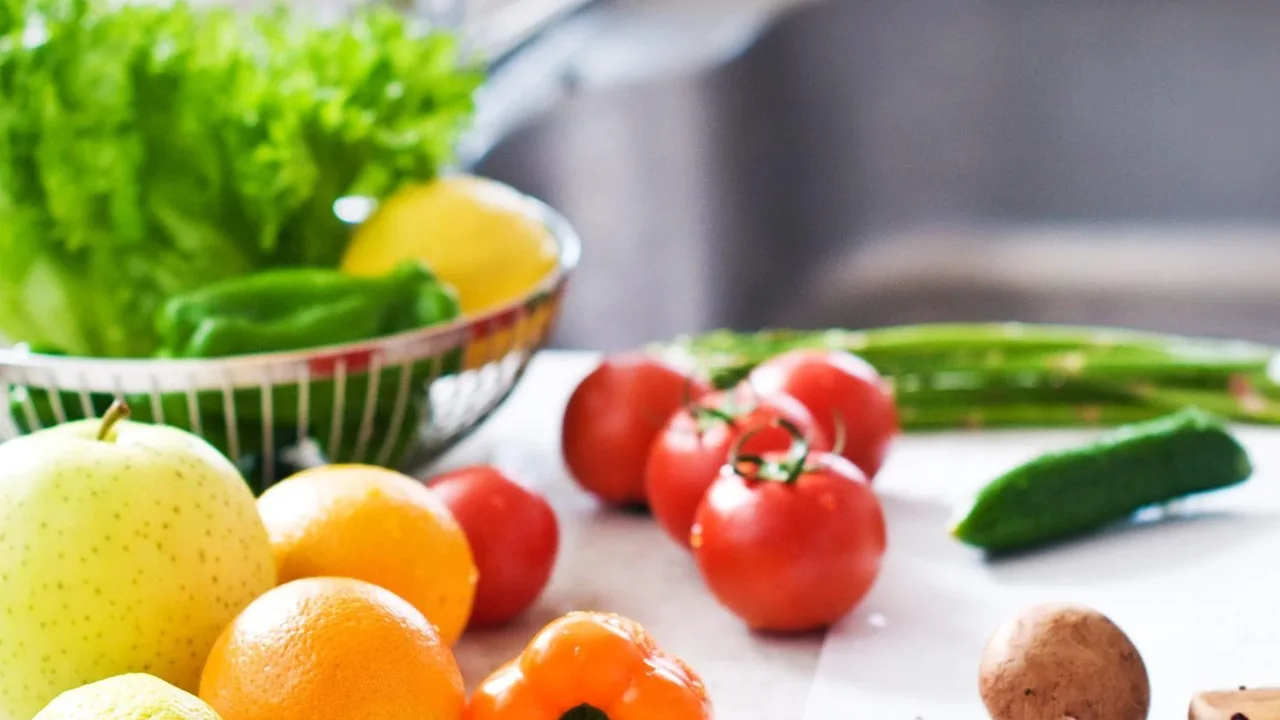
The humble kitchen fridge is the first line of defence against the grocery avalanche. In response to this new reality, Indian consumers are increasingly investing in larger, more sophisticated refrigerators. The market is seeing a distinct trend of 'premiumization', with double-door, side-by-side, and French-door models gaining popularity in urban homes. These units offer significantly more capacity, better organisational features like customisable shelves and multiple drawers, and advanced technology that improves freshness. This shift is driven by the need to store more fresh vegetables, dairy, pre-prepped ingredients, and leftovers that are inevitable during weeks of feasting. With flexible financing options making them more accessible, bigger fridges are no longer a luxury but a necessity for managing the festive food flow.
Rethinking the Pantry
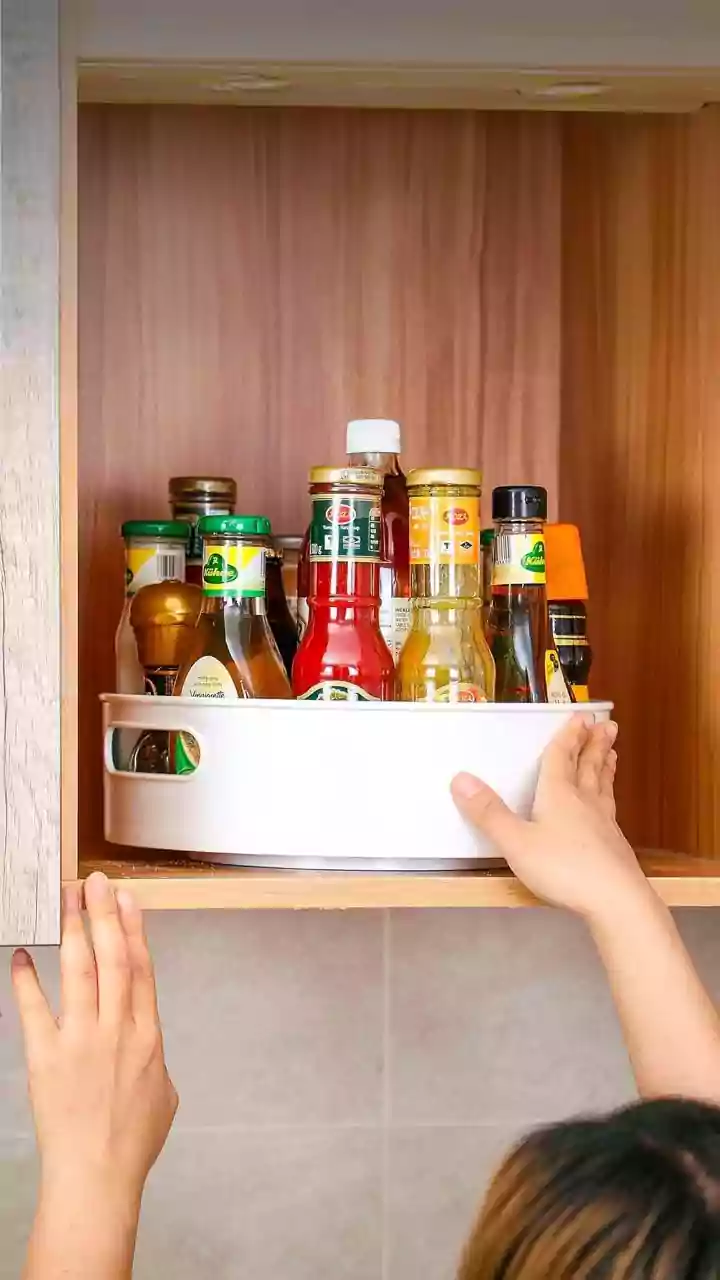
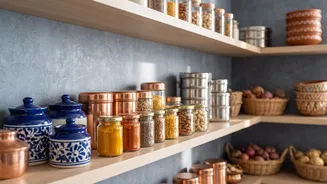
Beyond the cold storage, the traditional pantry, or kiranastore, is getting a modern makeover. The key to managing bulk dry goods is smart organisation. Home experts advise a system of 'zoning' the kitchen, where items are grouped by use: daily staples, festive specials, snacks, and so on. Decanting groceries from their original packaging into clear, airtight, and stackable containers is a game-changer. Square containers are particularly efficient as they eliminate wasted space between them. Many are also embracing vertical storage solutions like tall pantry pull-outs and wall-mounted rails to maximise every inch of space, a trend reflected in the growing demand for modular kitchens. This systematic approach not only creates order but also makes it easier to see what you have, reducing waste and last-minute panic buys.
Meal Prep as a Festive Ritual
The smartest adaptation isn't just about storage; it's about preparation. To cope with the cooking marathon, many home cooks are embracing meal prep as a pre-festive ritual. This involves tasks done days or even weeks in advance. Basic curry pastes, ginger-garlic cubes, chopped vegetables, and marinated meats can be prepared and frozen. Many traditional Indian dishes, like dal and certain curries, taste even better the next day as the spices meld, making them perfect for preparing in large batches. This foresight transforms chaotic cooking sessions into a more manageable assembly process. It frees up valuable time during the festival itself, allowing hosts to spend more time with their guests instead of being chained to the stove.
A Shift in Culinary Strategy
The sheer volume of ingredients is also subtly influencing festive menus. While traditional, elaborate dishes remain the centerpiece, they are increasingly supplemented by simpler, quicker options that make use of the bulk-purchased ingredients. This might mean having a versatile tomato-onion base ready for multiple gravies, or planning a few one-pot meals to ease the cooking load between major feasts. The rise of multi-functional appliances like air fryers and electric pressure cookers also supports this shift, enabling healthier and faster cooking without compromising on flavour. It's a pragmatic blend of tradition and convenience, ensuring the spirit of festive feasting remains joyful rather than stressful.