



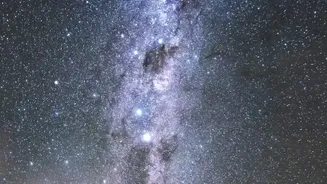

A Celestial Sanctuary in the Himalayas
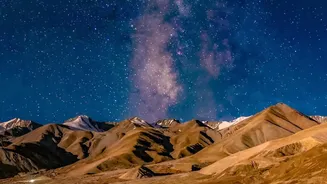
High in the Himalayas, at an altitude of 4,500 metres, the village of Hanle in Ladakh is now at the centre of a unique conservation effort. It's home to India's first-ever Dark Sky Reserve, an area officially recognised for its exceptionally clear and
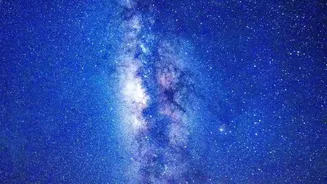
dark night skies. This isn't just a park; it's a commitment. Established through a partnership between the Ladakh administration, the local hill council, and the Indian Institute of Astrophysics (IIA), the reserve covers a 22-kilometre radius around Hanle. What makes this place so special? Its high altitude, dry air, and over 270 clear nights a year create near-perfect conditions for looking deep into the cosmos, earning it a Bortle-1 rating—the darkest possible classification for a night sky.
Protecting Science's Window to the Universe
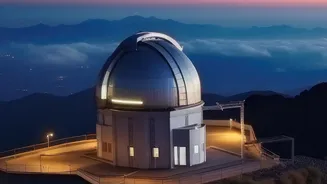
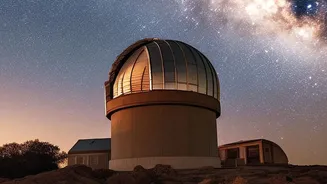
For decades, Hanle has been a crucial site for Indian science. It hosts the Indian Astronomical Observatory (IAO), operated by the IIA, which houses some of the world's most powerful telescopes. However, the creeping threat of light pollution, the artificial glow from towns and cities that washes out the stars, jeopardises this world-class facility. The Dark Sky Reserve acts as a scientific safeguard. Regulations are in place to control artificial lighting within its boundaries. Local communities are provided with light-blocking curtains and shielded, warm-toned bulbs to prevent light from spilling upwards. Even vehicle headlights are controlled, with prohibitions on high beams within the reserve, ensuring the observatory's sensitive instruments can continue their work unhindered.
A New Dawn for Local Livelihoods
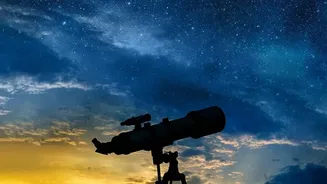
The Hanle Dark Sky Reserve is more than a scientific project; it's a model for sustainable development that empowers the local community. The initiative's core component is the promotion of astro-tourism, a rapidly growing global trend. To support this, the IIA and local authorities have trained dozens of villagers, many of them women, to become 'Astronomy Ambassadors' or 'astropreneurs'. These local guides are equipped with telescopes and the knowledge to lead stargazing sessions for tourists, explaining the constellations and celestial wonders visible in their pristine skies. This has created a new, sustainable source of income, encouraging reverse-migration as people find new opportunities in their ancestral homeland. With visitor numbers reaching around 28,000 last year, the motto "come for the mountains, stay for the stars" is becoming a reality.
The Safeguards in Action
The term 'network' in the headline accurately reflects the collaborative effort involved. The reserve isn't a fenced-off park but a living sanctuary comprising several villages within the Changthang Wildlife Sanctuary that have agreed to adopt responsible lighting practices. An Eco-Development Committee has been formally constituted to oversee the management of the reserve, ensuring that tourism growth remains sustainable and does not compromise the very darkness it relies on. Regular star parties and outreach programs are organized to engage both the community and visitors, reinforcing the shared responsibility of protecting this natural heritage. The administration is also working to secure international accreditation for the reserve, which would further cement its status as a globally important site. These combined efforts ensure the sanctuary is actively managed and protected.
India’s Place Among the Stars
The establishment of the Hanle Dark Sky Reserve marks a significant milestone for India. As the first of its kind in the country and South Asia, it positions Ladakh as a premier destination for both scientific research and eco-conscious tourism. The project demonstrates how scientific goals can align with community welfare and environmental preservation. It serves as an inspiration, proving that development doesn't have to come at the cost of our natural and cultural heritage. In a world where over 80% of the population lives under light-polluted skies, Hanle stands as a beacon of darkness, offering a breathtaking reminder of the universe's grandeur and our connection to it.