








The Brain's Wake-Up Call
The moment your body hits cold water, your skin's dense network of cold receptors sends a flood of electrical impulses to your brain. This triggers an immediate 'fight-or-flight' response, activating the sympathetic nervous system. While this sounds stressful,
it is a controlled stressor that kickstarts a powerful chemical reaction. The most significant effect is a massive release of norepinephrine, a hormone and neurotransmitter crucial for attention, focus, and alertness. Studies have shown that cold water immersion can increase norepinephrine levels by as much as 530%, providing a sustained boost to your energy and concentration that can last for hours. This is your body's natural way of preparing you to handle a challenge, sharpening your mind for whatever comes next.
A Lasting Lift in Mood and Motivation
Alongside norepinephrine, cold exposure also prompts a significant, prolonged release of dopamine. Dopamine is often called the 'feel-good' neurotransmitter, but it is more accurately linked to motivation, pleasure, and goal-directed behaviour. Research has documented dopamine increases of up to 250% following cold water immersion. Unlike other methods that provide a quick dopamine spike followed by a crash, the rise from cold exposure is gradual and sustained. This helps to elevate your mood, enhance focus, and provide a feeling of satisfaction and drive long after you have dried off. This chemical reset is a key reason why many people report feeling euphoric and mentally clear after a cold plunge.
Training Your Stress Response System
The benefits for stress recovery come from a different, yet related, mechanism: vagus nerve stimulation. The vagus nerve is a major component of your parasympathetic nervous system—the 'rest-and-digest' system that counteracts fight-or-flight. Exposing yourself to cold water, even just on your face and neck, stimulates this nerve. While the initial shock is a sympathetic response, your body quickly works to calm itself down, which involves activating the vagus nerve to slow your heart rate and promote relaxation. By regularly and intentionally activating this cycle, you are essentially training your nervous system to become more efficient at recovering from stress. This builds long-term resilience, making you better equipped to handle daily pressures with composure and clarity.
How to Start Safely and Effectively
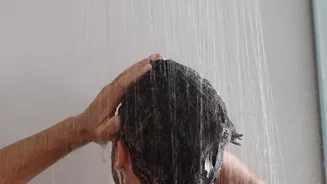
You do not need an expensive plunge pool to get started. The key is consistency over intensity. For most people, a good starting point is two to four sessions per week. A total of 11 minutes of cold exposure per week, spread across these sessions, appears to be an effective target based on current research. A cold shower is a highly accessible option. Try finishing your regular shower with 30 seconds of cold water, gradually increasing the duration as you adapt. The ideal temperature is one that feels uncomfortably cold, but safe enough for you to stay in. This might be 15°C for one person and 10°C for another. Always listen to your body and never combine cold exposure with hyperventilation. It is crucial to separate cold therapy from strength training by at least four hours, as the anti-inflammatory effect can blunt muscle growth.