







An Erratic and Deficient Monsoon Season
The 2026 southwest monsoon season has been defined by its inconsistency. After a significant deficit in June, a brief recovery in July gave way to another dry spell in August. The India Meteorological Department (IMD) has noted that cumulative rainfall
for the season is roughly 15% below the long-term average as of mid-September. This overall deficit, influenced by a strengthening El Niño phenomenon, has left many key agricultural states with insufficient moisture. The monsoon is expected to begin its withdrawal around September 19, slightly later than the normal date of September 17. However, this delay is unlikely to erase the deep deficits in states critical for national food production, including Punjab, Haryana, Karnataka, and Bihar.
Threats to the Kharif Harvest
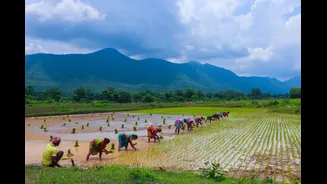
September is a make-or-break month for kharif (summer) crops like rice, pulses, soybeans, and cotton. Many of these crops, planted late due to the weak start to the monsoon, are now in their crucial grain-filling or pod-formation stages. Inadequate rainfall during this final phase can directly reduce crop yields and overall output. While sowing acreage recovered from a slow start to be only marginally lower than last year, the uneven distribution of rain means yield is now the primary concern. Regions that experienced prolonged dry spells followed by intense downpours have seen crops stressed, which affects their final productivity even if total rainfall numbers appear adequate. This uncertainty around the final harvest size is already being reflected in markets, with prices for key kharif crops like maize and pulses rising.
The Crucial Foundation for Winter Crops
The impact of September's weather extends beyond the current harvest. The rainfall received this month is critical for determining the soil moisture levels for the upcoming rabi (winter) crop season. Farmers typically begin planting rabi crops like wheat, rapeseed, and chickpeas in October, relying on the residual moisture from the monsoon. If September ends on a dry note, it can hamper seed germination and early growth, potentially forcing farmers to delay planting or switch to less water-intensive crops. Furthermore, deficient rainfall affects the replenishment of reservoirs, which are vital for irrigation during the drier winter months. With nearly 45% of districts facing rainfall deficits and reservoir levels below their historical averages, the foundation for a successful rabi season is looking increasingly precarious.
The Ripple Effect on Food Inflation
The agricultural anxieties are translating directly into economic concerns. Food inflation has been on an upward trend, rising to 5.95% in August 2026. This was driven largely by price surges in items like onions, pulses, and other vegetables, a direct consequence of weather-related supply concerns. Economists are now watching September's weather closely, as a poor finish to the monsoon could sustain these inflationary pressures. A weak harvest could reduce rural incomes and demand while simultaneously forcing the government to manage supplies through measures like imports, which it has already done for sugar. While some officials express hope that food inflation may not persist, the combination of a rainfall deficit and rising global commodity prices poses a significant risk to household budgets and the Reserve Bank of India's efforts to maintain price stability.