


India's Hidden Hunger
For decades, the focus of nutrition in India was on calories, but a different kind of malnutrition is now in the spotlight. Recent data reveals a staggering protein gap, with some studies indicating that over 70% of Indians are protein deficient and over 90%
are unaware of their daily protein requirements. This isn't just about building muscle; it's a foundational issue affecting everything from child development to adult immunity. The National Family Health Survey (NFHS-5) data links chronic protein-energy malnutrition to high rates of stunting (35.5%) and underweight children (32.1%). The problem often lies in diet composition, where cereal-based meals provide calories but not enough quality protein.
A Nationwide Wake-Up Call
Recognising this gap, there has been a significant push from both public and private bodies. Government initiatives like the Poshan Abhiyaan (National Nutrition Mission) aim to improve nutritional outcomes for children, adolescent girls, pregnant women, and lactating mothers through a multi-pronged strategy. While not exclusively about protein, its focus on diet diversity and awareness implicitly targets this deficiency. Complementing this are public awareness campaigns like 'Right to Protein', which have launched initiatives such as India's annual 'Protein Day' on February 27 to educate citizens about protein's importance. These efforts aim to trigger a behavioural change, urging Indians to ensure at least a quarter of their plate consists of protein.
Building Blocks for Childhood Growth
For children and adolescents, protein is non-negotiable. It's the primary building block for growth, cognitive development, and a strong immune system. Protein needs evolve rapidly during these years. Toddlers require around 13-16 grams daily for rapid brain and physical development, while school-aged children need 19-34 grams. During the teenage growth spurt, these needs jump to about 46 grams for girls and 52 grams for boys to support muscle development and hormonal changes. Incorporating sources like milk, eggs, dal, paneer, and sprouts into daily meals is crucial to meet these targets and prevent long-term health issues stemming from early-life deficiencies.
Fuel for a Hectic Adult Life
In adulthood, protein's role shifts from rapid growth to maintenance and repair. The Indian Council of Medical Research (ICMR) recommends about 0.8 to 1.0 gram of protein per kilogram of body weight for a healthy adult. For a person weighing 60 kg, this is roughly 48-60 grams daily. This macronutrient is vital for maintaining muscle mass, supporting immune function, regulating hormones, and ensuring stable energy levels. A consistent shortfall can lead to fatigue, slower recovery from illness, and poor concentration. For the many Indians leading busy lives, consciously including a protein source in every meal helps sustain physical and mental performance.
Essential for Graceful Ageing
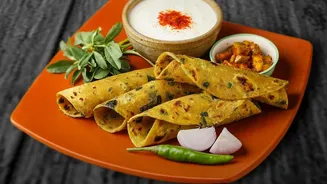
As we enter our senior years, the body's ability to process protein becomes less efficient, making adequate intake even more important. Protein is crucial for older adults to combat sarcopenia, the age-related loss of muscle mass and strength, which can lead to frailty and a higher risk of falls. Experts suggest that seniors should aim for 60-70 grams daily, depending on their health and activity level. Soft, easily digestible protein sources are ideal. Foods like khichdi, curd, soft paneer bhurji, and well-cooked dals can help meet these increased needs, supporting mobility, immunity, and overall quality of life in later years.
Finding Your Protein Affordably
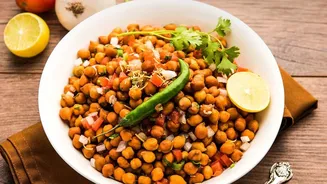
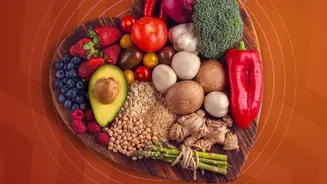
The myth that protein is expensive is a major barrier to adequate consumption. However, the Indian diet is rich in affordable, high-quality protein sources. Lentils (dals), chickpeas (chana), kidney beans (rajma), and soya chunks are incredibly cost-effective plant-based options. For instance, soya chunks and various dals offer some of the cheapest protein per gram. Other budget-friendly sources include eggs, peanuts, and dairy products like curd and paneer. By combining legumes with grains like rice or roti, one can create a complete protein profile, ensuring all essential amino acids are present. The key is not to find exotic foods, but to balance our traditional plates better.